
 Save
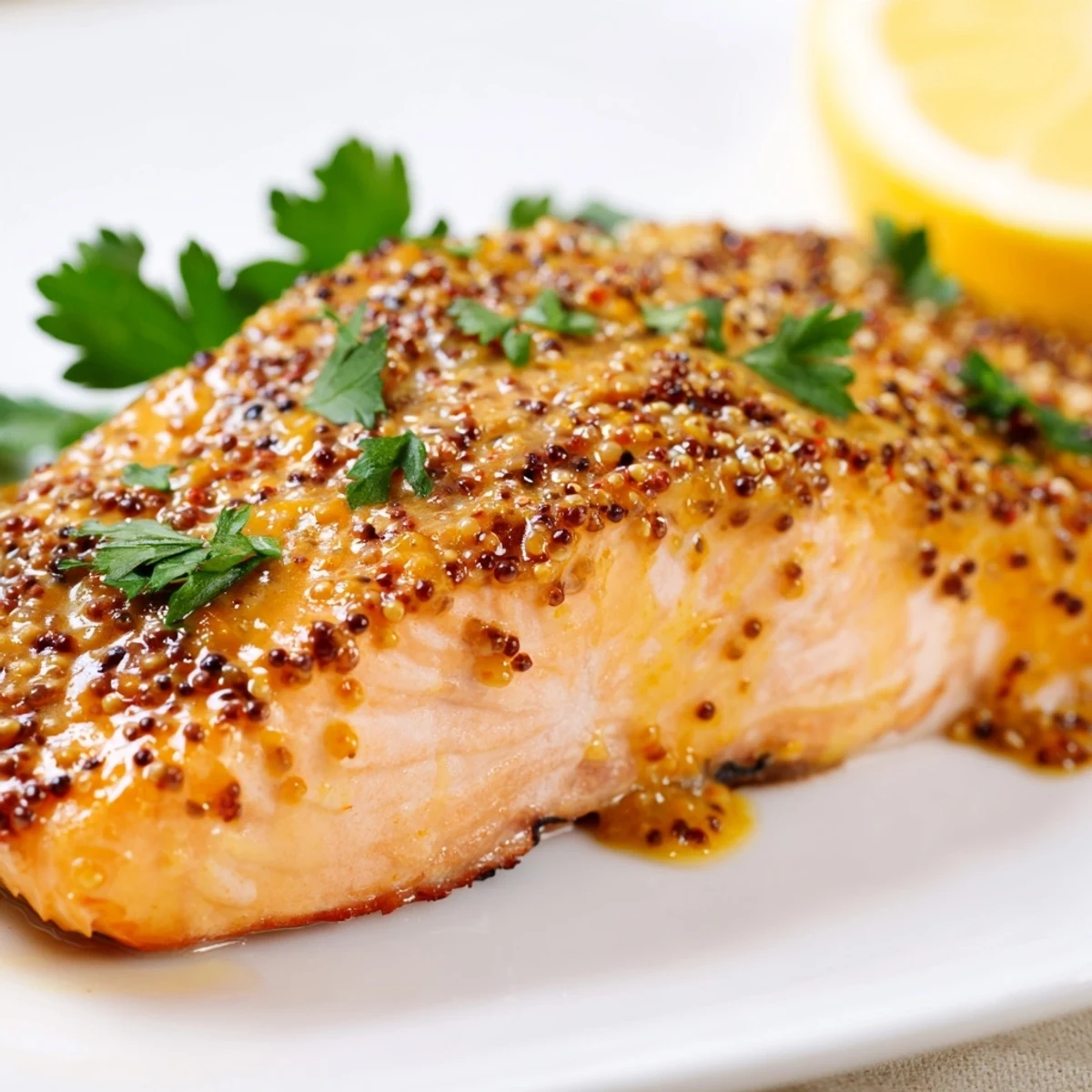
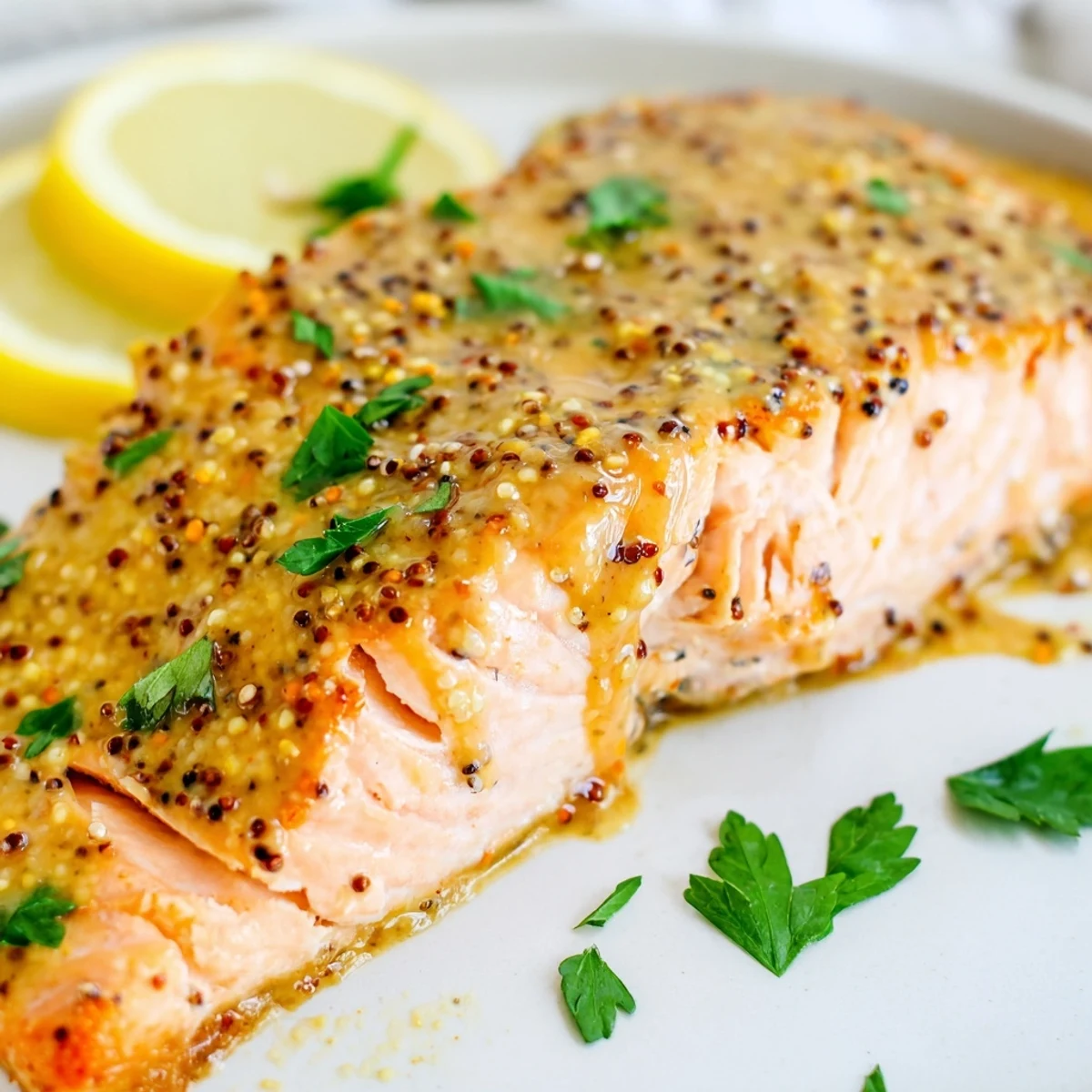
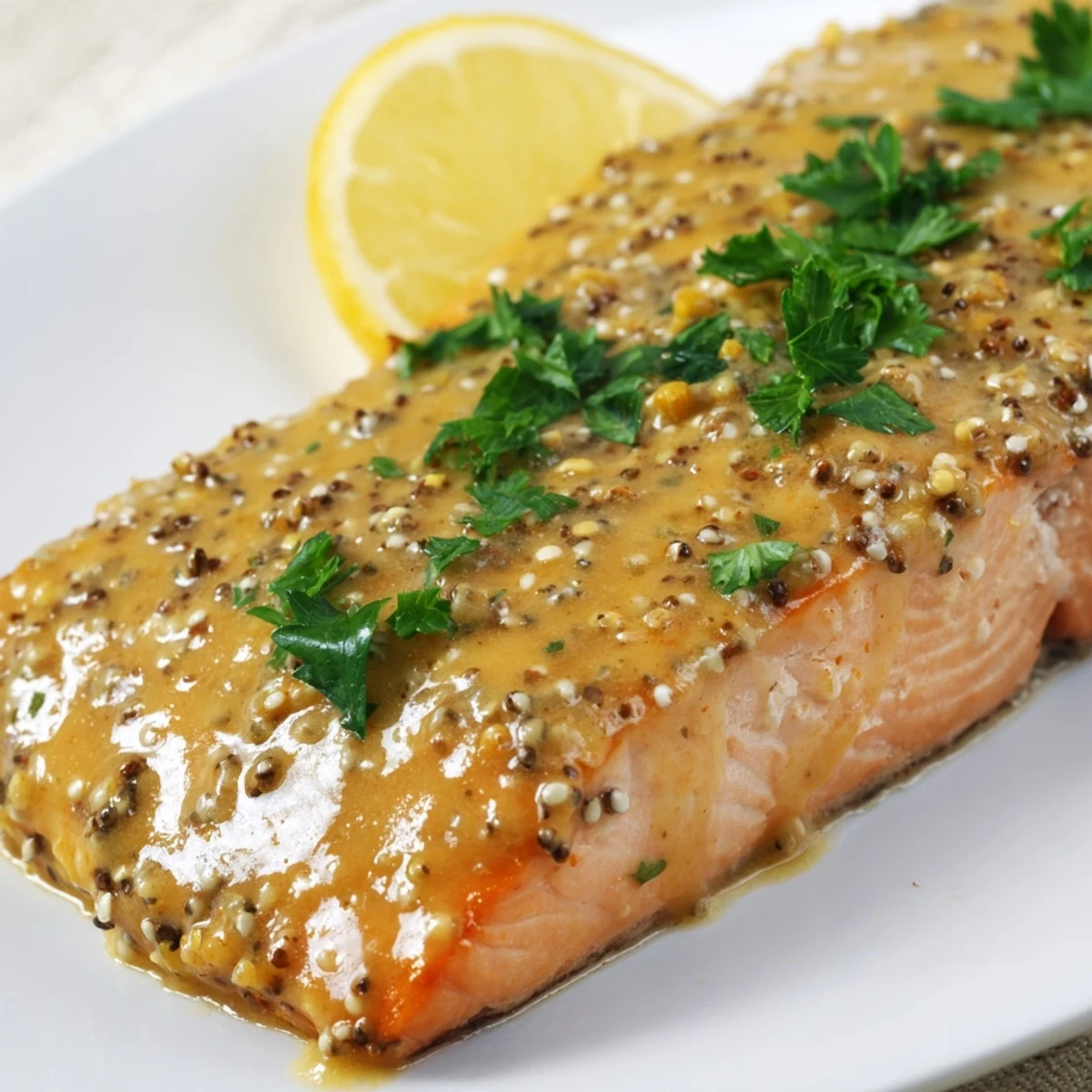
Save This dish features tender salmon fillets brushed with a rich honey mustard glaze made from Dijon, whole-grain mustard, honey, and garlic. After a quick 12-15 minute bake, the fish emerges flaky and opaque. The sweet and tangy coating caramelizes beautifully, creating a flavorful crust that pairs perfectly with fresh herbs and a squeeze of lemon.
I discovered this recipe during a Tuesday night when I had salmon thawing on the counter and absolutely nothing else planned for dinner. My partner asked what was for dinner, and instead of my usual panic, I grabbed a jar of Dijon mustard and some honey from the pantry, mixed them together, and slathered it on the fish. Twenty-five minutes later, we were sitting down to something so easy and elegant that it felt like we'd actually tried. Now it's become our weeknight shortcut to feeling like we're doing something special.
I made this for my parents last spring when they visited, and my mom actually put down her fork and asked for the recipe before taking another bite. That moment—when someone stops eating just to compliment the food—that's when I knew this wasn't just a weeknight dinner anymore. It became the dish I pull out when I want to impress without stressing.
Ingredients
- Salmon fillets (4, about 6 oz each): Skin-on keeps them from drying out and adds a textural element that's underrated; I learned the hard way that room-temperature fish seasons more evenly than cold fish straight from the fridge.
- Olive oil (1 tablespoon): This creates a light barrier that prevents sticking and helps the glaze caramelize just slightly at the edges.
- Salt and black pepper: Season generously before the glaze goes on; the mustard and honey are sweet, so you need that baseline to keep it balanced.
- Dijon mustard (3 tablespoons): The backbone of the glaze, providing that sophisticated tang that keeps everything from tasting cloying.
- Honey (2 tablespoons): Use good honey if you can; it genuinely tastes different and melts into the glaze more smoothly.
- Whole-grain mustard (1 tablespoon): Those little seeds add texture and keep the glaze from feeling one-dimensional.
- Fresh lemon juice (1 tablespoon): This is non-negotiable; bottled lemon juice won't give you the same bright, cutting quality.
- Garlic (1 clove, minced): It might seem like a small thing, but raw garlic in the glaze adds a whisper of sharpness that makes your mouth wake up.
- Fresh parsley or dill (optional garnish): A sprinkle at the end adds color and freshness that rounds out all those warm, tangy flavors.
- Lemon wedges: Serve them alongside; some people love squeezing extra brightness over the finished fish.
Instructions
- Heat your oven and prep your stage:
- Get your oven to 400°F and line a baking sheet with parchment paper. This takes two minutes and makes cleanup easier, which means you're more likely to make this again next week.
- Dry and season the salmon:
- Pat your fillets dry with paper towels—this is the one step that actually matters for texture. Lay them skin-side down, brush lightly with oil, and season each fillet like you mean it; the glaze is sweet, so salt matters.
- Build the glaze:
- In a small bowl, whisk the Dijon mustard, whole-grain mustard, honey, lemon juice, and garlic until it looks smooth and glossy. It'll seem thin at first, but that's exactly right.
- Coat generously:
- Spoon or brush the glaze over each fillet, getting some on the sides too. Don't be shy; the glaze will caramelize slightly as it bakes and that's when the magic happens.
- Bake until it's just right:
- Pop it in the oven for 12–15 minutes, depending on how thick your fillets are. You'll know it's done when the flesh is opaque in the center and flakes easily with a fork; overcooked salmon tastes dry, so check a minute early if you're uncertain.
- Finish and serve:
- Remove from the oven, scatter some fresh herbs over the top if you want, and plate alongside lemon wedges. The residual heat will keep everything warm while you get everything else on the table.
 Save
Save I realized this dish meant something different to me the night my friend mentioned she'd started eating fish again after years of being vegetarian, and I made this for her without hesitation. Watching her face when she tasted it—that quiet moment of relief and joy—reminded me that sometimes food is about giving someone permission to enjoy something they've been nervous about. That's when recipes stop being just instructions and become small acts of care.
Why the Glaze Works
The magic of this recipe lives in the balance between Dijon's sharp mustard bite and honey's gentle sweetness, with whole-grain mustard adding texture and lemon juice keeping everything bright. I spent months trying different ratios before landing on this one, and it turns out the simplicity is exactly the point. When you have four good ingredients in the right proportions, you don't need to overthink it.
Timing and Temperature Matter
The difference between a perfectly cooked salmon fillet and one that's overdone by two minutes is honestly just those two minutes. I used to cook everything longer because I was nervous about serving undercooked fish, but then I learned that salmon at 145°F is perfectly safe and tastes infinitely better. Your oven temperature should be accurate—if you're not sure, invest in an oven thermometer; it's the cheapest way to improve your cooking.
Easy Variations and Serving Ideas
This glaze is forgiving enough that you can play with it without breaking it. I've added a pinch of cayenne for heat, swapped in grainy mustard for Dijon, and even added a teaspoon of maple syrup when I wanted earthier sweetness. Serve this with roasted vegetables and rice, or pile it on a salad with fresh greens—it works everywhere.
- For extra depth, marinate the salmon in the glaze for 30 minutes before baking if you have the time.
- Leftover salmon is exceptional in a salad the next day, or flaked into pasta with lemon and olive oil.
- If you like heat, add a small pinch of cayenne or red pepper flakes to the glaze mixture.
 Save
Save This recipe became a favorite because it proved to me that good food doesn't require hours or complicated techniques—it just requires paying attention and choosing ingredients you actually like. Make it for yourself on a random Tuesday, and then make it again when someone matters.
Common Questions
- → What temperature should I bake the salmon?
-
Preheat your oven to 400°F (200°C) for the best results. This high heat helps the glaze caramelize while keeping the fish moist.
- → How do I know when the salmon is done?
-
The salmon is ready when it flakes easily with a fork and the center is opaque. This typically takes 12 to 15 minutes, depending on the thickness of the fillets.
- → Can I use skinless salmon fillets?
-
Absolutely, both skin-on and skinless fillets work well for this dish. If using skin-on, place it skin-side down on the baking sheet.
- → Can I make the glaze spicier?
-
Yes, adding a pinch of cayenne pepper or a dash of hot sauce to the glaze mixture is a great way to add some heat.
- → What sides go well with this?
-
Roasted vegetables, steamed rice, or a fresh green salad make excellent accompaniments to complete the meal.