
 Save
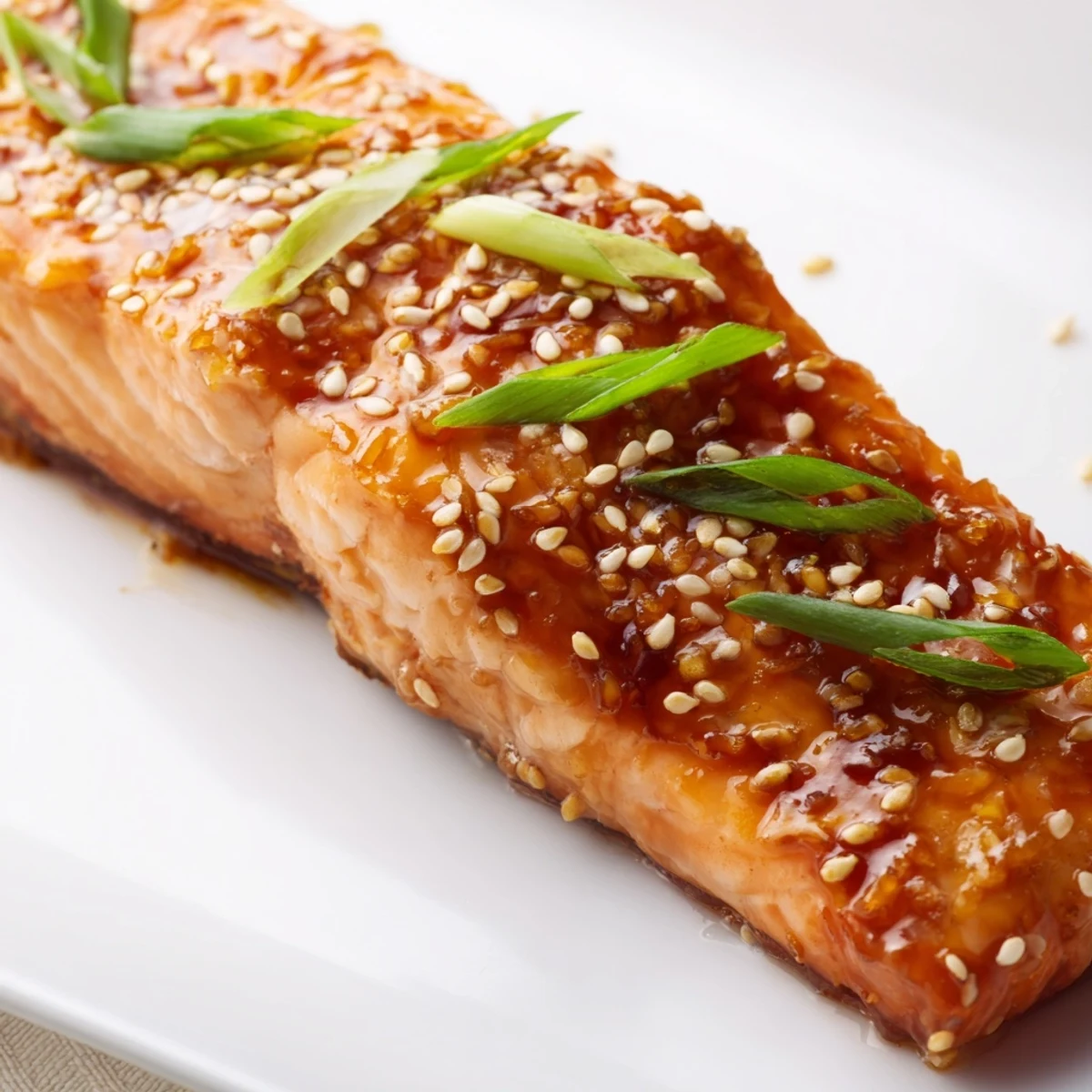
Save This dish features tender salmon fillets baked to flaky perfection, coated in a rich teriyaki glaze made from soy, honey, garlic, and ginger. The glaze thickens to create a smooth, flavorful coating that enhances the fish's natural taste. Finished with toasted sesame seeds and green onions, this Asian-inspired main offers a balance of sweetness, umami, and subtle nuttiness. Baking the salmon ensures moistness while the glaze caramelizes slightly, making each bite delectable and satisfying.
Ideal for an easy yet elegant meal, it pairs beautifully with steamed jasmine rice and sautéed greens. Optional lime wedges add a bright, citrusy note to complement the glaze. This dish suits pescatarian diets and can be adapted for vegan options by swapping salmon with tofu and using maple syrup in the glaze.
There's a moment when the kitchen fills with the smell of sesame oil hitting heat that makes you understand why teriyaki has become one of my go-to weeknight saves. I discovered this version on a Tuesday when I had salmon thawing, hungry people coming over, and absolutely no plan beyond that. The glaze came together while the oven preheated, and by the time everyone sat down, they were already asking for seconds before finishing their first bites.
I remember my friend Marcus watching me brush that glossy glaze onto the salmon and saying it looked too fancy to be from my kitchen. When he tasted it, he just went quiet for a moment, which honestly felt better than any compliment. That's when I realized this wasn't just a recipe I liked—it was something I wanted to make over and over.
Ingredients
- Salmon fillets (4, about 6 oz each): Pat them completely dry before seasoning so they get a gentle sear on the outside while staying tender inside.
- Kosher salt and black pepper: These seem simple, but they're your foundation—don't skip seasoning the fish itself.
- Low-sodium soy sauce: This is where the umami depth comes from, so use good quality if you can.
- Honey or maple syrup: Either works beautifully; honey gives brightness while maple adds earthiness.
- Mirin: If you don't have it, dry sherry works, though mirin's natural sweetness is hard to replicate exactly.
- Rice vinegar: Just a tablespoon balances all that sweetness and keeps the glaze from being cloying.
- Toasted sesame oil: This is non-negotiable; regular sesame oil tastes flat by comparison.
- Fresh garlic and ginger: Minced fresh is so much better than jarred—you'll taste the difference immediately.
- Cornstarch slurry: This is what makes the glaze cling to the fish instead of sliding off.
- Toasted sesame seeds: Buy them already toasted if you can, or toast them yourself for 2 minutes in a dry pan.
- Green onions: The fresh brightness at the end is essential; they're not just garnish.
Instructions
- Get your oven ready and set the stage:
- Preheat to 400°F and line your baking sheet with parchment paper or a light coat of oil—this prevents sticking and makes cleanup infinitely easier. The oven should be fully heated before the salmon goes in so the bottom gets gently cooked, not steamed.
- Prepare the salmon:
- Pat each fillet dry with paper towels—moisture is the enemy of browning. Season both sides generously with salt and pepper, then lay them skin-side down on your prepared sheet.
- Build the glaze:
- Combine soy sauce, honey, mirin, rice vinegar, sesame oil, garlic, and ginger in a small saucepan over medium heat. You're just warming it through and letting the flavors meld, not boiling it away—it should smell incredible in about a minute.
- Thicken the magic:
- Stir your cornstarch slurry in slowly while whisking constantly, and watch as the glaze goes from thin and sloshy to glossy and clingy. This takes about 1–2 minutes, and you'll know it's right when it coats the back of a spoon.
- First coat of glaze:
- Brush half the glaze generously over each salmon fillet using a pastry brush or the back of a spoon. Don't be shy—this is what creates those caramelized edges.
- Bake until just cooked through:
- Slide the pan into your hot oven for 12–15 minutes depending on fillet thickness; you're looking for flesh that flakes gently when pressed with a fork. Thicker fillets need closer to 15 minutes, thinner ones closer to 12.
- Final glaze and garnish:
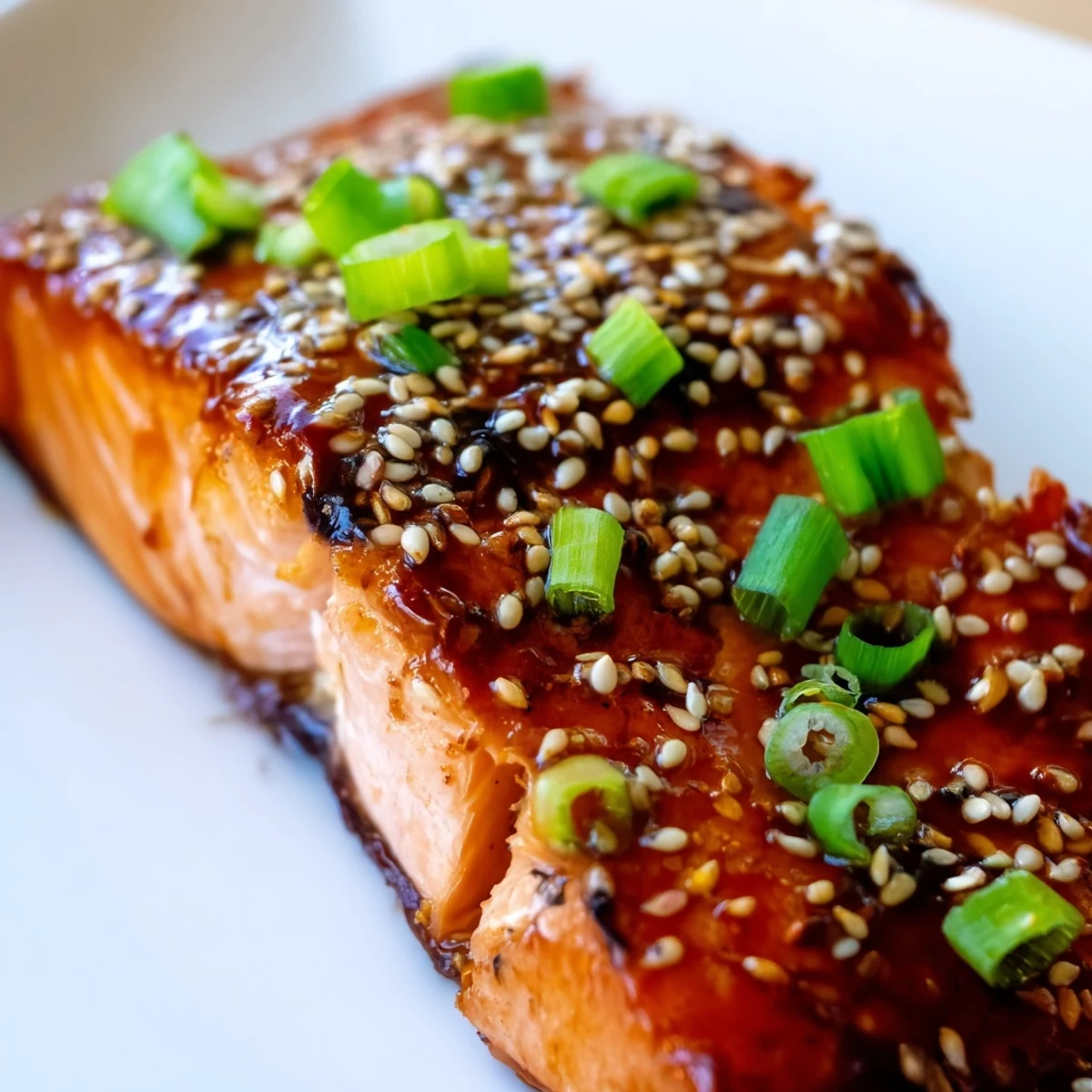
- Pull the pan out, brush each fillet with the remaining glaze, then immediately sprinkle with sesame seeds and sliced green onions. The heat will toast the garnish slightly and set everything beautifully.
- Serve with intention:
- Plate it while it's warm, add lime wedges if you want that final brightness, and watch people's faces light up.
 Save
Save There's something about serving this to someone who normally avoids cooking fish because they think it's intimidating. Watching them taste it and realize how simple it actually is to pull off something restaurant-quality at home—that moment is worth everything.
Why Teriyaki Works on Everything
Teriyaki's genius is in its balance of sweet, salty, sour, and rich flavors all at once, which is why it doesn't feel heavy even though it's glossy and caramelized. The combination of soy sauce and ginger hits like umami paired with brightness, and that's a pairing that makes your brain happy. Once you understand how this glaze works, you'll start brushing it on chicken thighs, roasted vegetables, and grilled shrimp without thinking twice.
Making This Ahead and Storing It
You can make the glaze up to 3 days ahead and keep it in a glass container in the fridge—just reheat gently before brushing it on the salmon. The fish itself is best made fresh, but leftovers are honestly incredible cold the next day over jasmine rice as a cold bowl situation. I've reheated leftovers gently in a 300°F oven for about 8 minutes if I want them warm again, and they stay tender.
What to Serve Alongside This
The flavors here are bold enough to stand alone, but I always serve this with something to balance the richness and give contrast on the plate. Steamed jasmine rice absorbs all that beautiful glaze, sautéed bok choy adds crunch and earthiness, or roasted broccoli with a little sesame oil brings everything together. You could also do a simple cucumber salad with rice vinegar and sesame seeds, or serve it over cauliflower rice if that's your style.
- If you're meal prepping, make extra glaze so you can use it throughout the week on different proteins.
- A squeeze of lime juice right before eating brightens everything and adds a freshness that cuts through the richness perfectly.
- Don't forget the green onions at the end—they're not just pretty, they're essential for texture and flavor.
 Save
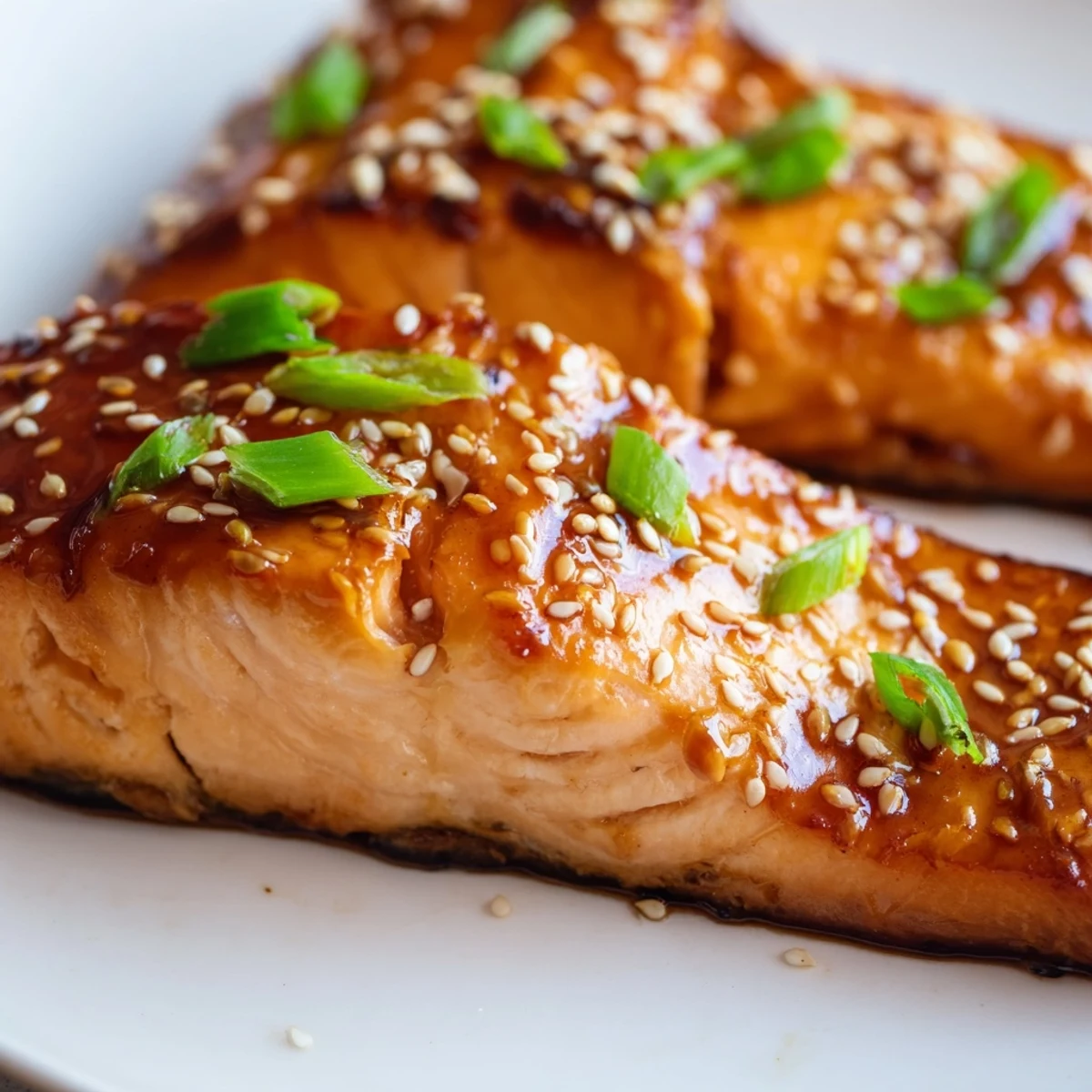
Save This recipe has become my confidence boost in the kitchen—it's simple enough to make on a random Tuesday but impressive enough that it feels special every single time. I hope it becomes that for you too.
Common Questions
- → What is the best way to bake salmon for this dish?
-
Preheat the oven to 400°F (200°C) and bake the salmon on a lined baking sheet for 12–15 minutes until flaky and just cooked through.
- → How do I make the teriyaki glaze thicker?
-
Adding a slurry of cornstarch and cold water to the simmering sauce and stirring constantly will thicken the glaze within a couple of minutes.
- → Can I prepare the salmon in advance?
-
Yes, marinating the salmon in half of the teriyaki glaze for 30 minutes before baking enhances flavor and keeps it moist.
- → What are good side dishes to serve with this entrée?
-
Steamed jasmine rice, sautéed bok choy, or roasted broccoli complement the flavors and textures well.
- → How can I make a vegan version of this dish?
-
Substitute salmon with firm tofu and replace honey with maple syrup in the teriyaki glaze for a vegan-friendly option.