
 Save
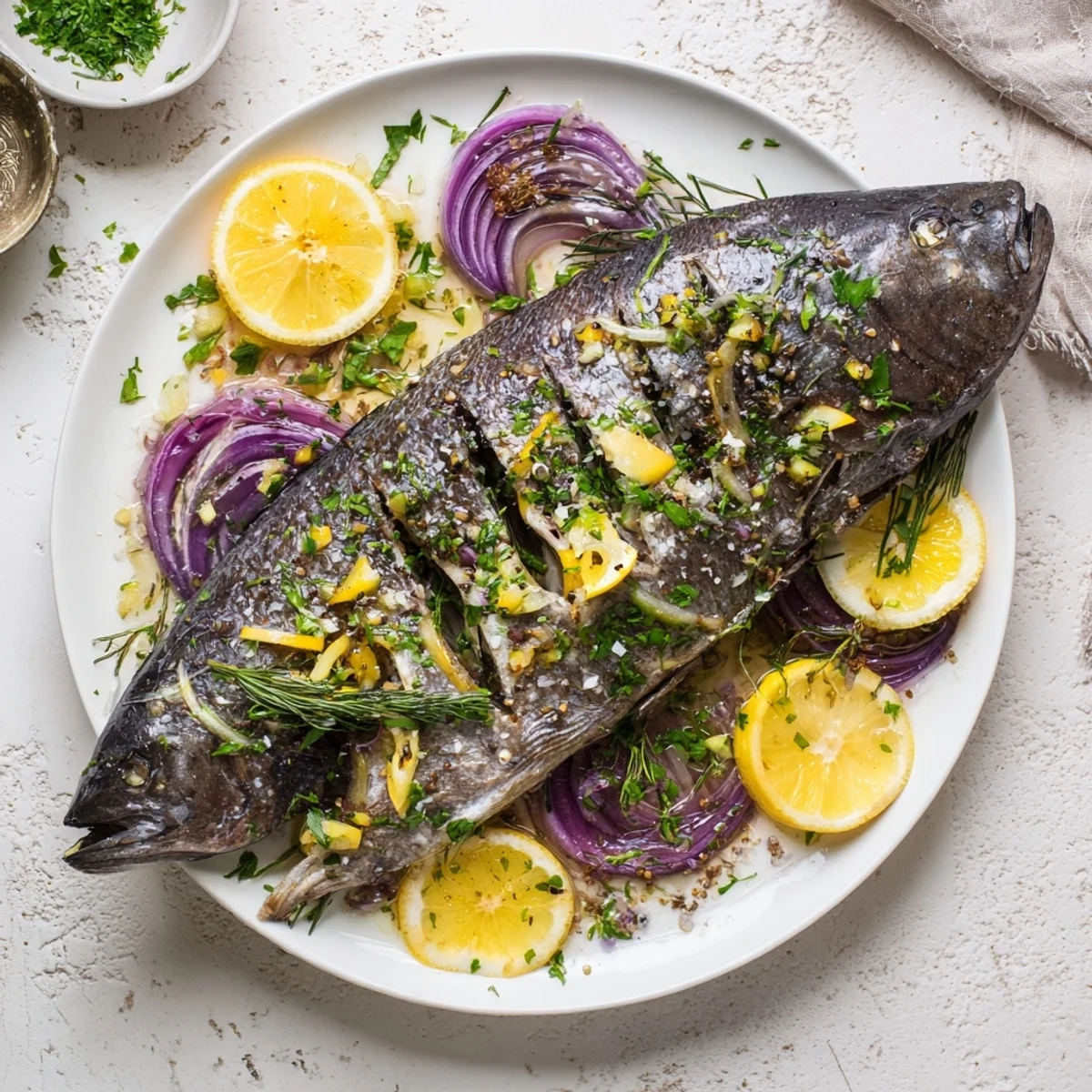
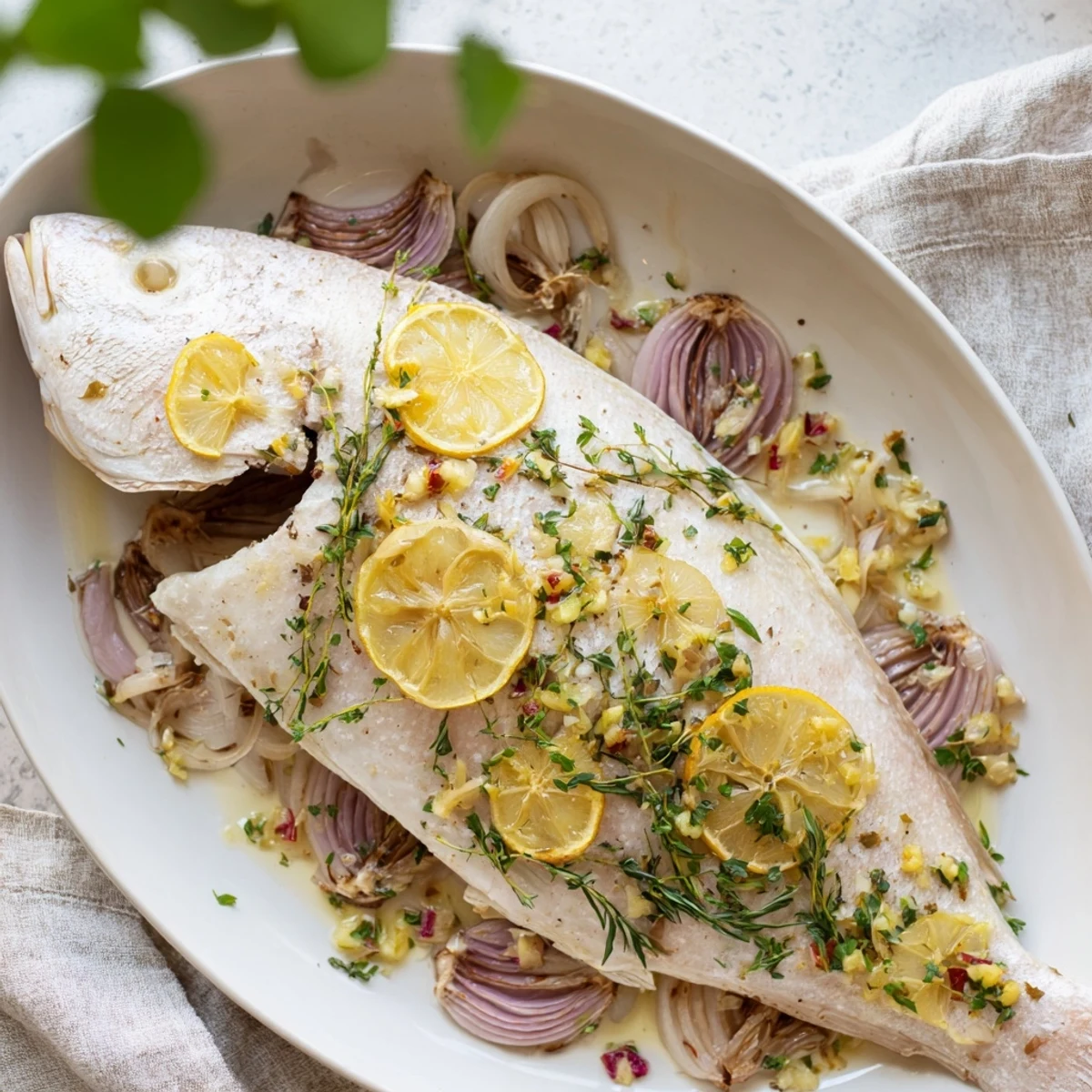
Save This dish features a whole sea bass scored, rubbed with olive oil, salt, and pepper, and filled with lemon slices, garlic, thyme, and rosemary. The fish is baked alongside red onion slices until the flesh flakes easily and is tender. Finished with optional fresh parsley and lemon wedges, it offers a flavorful, light Mediterranean experience, perfect for a quick, healthy meal.
I bought a whole sea bass on a whim one Saturday morning, drawn in by its silvery skin gleaming under the market lights. The fishmonger smiled when I asked if it was fresh, then showed me the clear eyes and firm flesh. That evening, I slid it into the oven stuffed with lemon and thyme, and the scent that filled my kitchen made me feel like I'd unlocked something simple and extraordinary.
I made this for two friends who claimed they didn't like fish with bones. They changed their tune halfway through dinner, carefully picking at the tender flesh and fighting over the crispy skin near the tail. We finished the whole thing with our hands, laughing and licking our fingers, the kind of meal that turns into a story you retell for years.
Ingredients
- Whole sea bass: Look for clear eyes and bright red gills, the surest signs of freshness, and don't be shy about asking your fishmonger to clean and scale it for you.
- Lemon slices: These infuse the flesh from the inside out and prevent the cavity from drying, so slice them thin enough to fit but thick enough to hold their shape.
- Garlic cloves: Thinly sliced garlic turns sweet and mellow in the oven, adding a gentle warmth that never overpowers the delicate fish.
- Red onion: It caramelizes slightly on the tray and soaks up all the juices that drip from the fish, becoming a side dish in its own right.
- Fresh thyme and rosemary: Woody herbs stand up to roasting heat and their oils seep into every crevice, so use whole sprigs and tuck them in generously.
- Extra virgin olive oil: A good fruity olive oil makes the skin crisp and golden while keeping the flesh tender, so don't skimp here.
- Sea salt and black pepper: Season boldly inside and out, the fish can handle it and the seasoning brings out its natural sweetness.
Instructions
- Prep the oven and tray:
- Preheat your oven to 200°C (400°F) and line a baking tray with parchment paper, which makes cleanup easier and prevents sticking. If you're using a baking dish, a light brush of olive oil works just as well.
- Rinse and dry the fish:
- Run the sea bass under cold water to rinse away any lingering scales or blood, then pat it completely dry with paper towels so the skin crisps up beautifully in the oven.
- Score the skin:
- Use a sharp knife to make 2 or 3 shallow diagonal cuts on each side of the fish, which helps the heat penetrate evenly and lets the seasoning sink in. Don't cut too deep, just through the skin and into the flesh.
- Season the fish:
- Rub olive oil all over the fish, inside the cavity and on the skin, then sprinkle generously with salt and pepper. The oil helps the seasoning stick and creates that golden, crispy exterior.
- Stuff the cavity:
- Tuck lemon slices, garlic, thyme, and rosemary inside the fish, packing them in gently so they stay put during baking. This is where all the magic happens, the aromatics steam from within and perfume the flesh.
- Arrange on the tray:
- Scatter red onion slices across the baking tray to create a bed for the fish, then lay the stuffed sea bass on top. The onions catch the drippings and turn sweet and tender.
- Bake until done:
- Slide the tray into the oven and bake for 20 to 25 minutes, checking around the 20 minute mark by gently pulling back the flesh near the thickest part. When it turns opaque and flakes easily with a fork, it's ready.
- Serve with flair:
- Carefully transfer the fish to a serving platter using a wide spatula, scatter fresh parsley and lemon wedges over the top, and bring it to the table while it's still steaming.
 Save
Save The first time I served this, I worried it wouldn't be enough food, but my guests scraped the platter clean and soaked up every last bit of garlicky oil with bread. It became the kind of dish I make when I want to feel capable and generous without spending all day in the kitchen.
Choosing the Right Fish
Sea bass is ideal because of its mild flavor and firm texture, but you can use other whole fish like branzino, snapper, or trout if that's what looks freshest at the market. I've learned to trust my nose and eyes more than any recipe, a fresh fish smells like the ocean, not fishy, and its flesh bounces back when you press it gently. If whole fish feels intimidating, ask the fishmonger to remove the gills and trim the fins, it makes handling much easier and you'll still get all the flavor benefits of cooking it on the bone.
Serving Suggestions
This fish shines alongside simple sides that don't compete for attention, roasted potatoes, steamed green beans, or a crisp salad with a lemony vinaigrette all work beautifully. I often serve it with crusty bread to mop up the pan juices, which taste like concentrated sunshine and herbs. A chilled white wine, especially something bright and citrusy like Sauvignon Blanc or Vermentino, makes the whole meal feel like a lazy Mediterranean afternoon even if you're eating it on a Tuesday night in the suburbs.
Storage and Reheating
Leftover fish keeps in the fridge for up to two days in an airtight container, though it's best eaten fresh from the oven when the skin is still crisp. I usually flake any leftovers and toss them into a salad or mix them with pasta, olive oil, and a squeeze of lemon for a quick lunch. If you must reheat, do it gently in a low oven covered with foil, the microwave will turn the flesh rubbery and rob it of its delicate texture.
- Add cherry tomatoes or olives to the tray for extra color and a burst of sweetness or brine.
- Swap thyme and rosemary for dill, basil, or fennel fronds depending on what's in your garden or fridge.
- Serve with a drizzle of good balsamic or a spoonful of salsa verde for a tangy contrast.
 Save
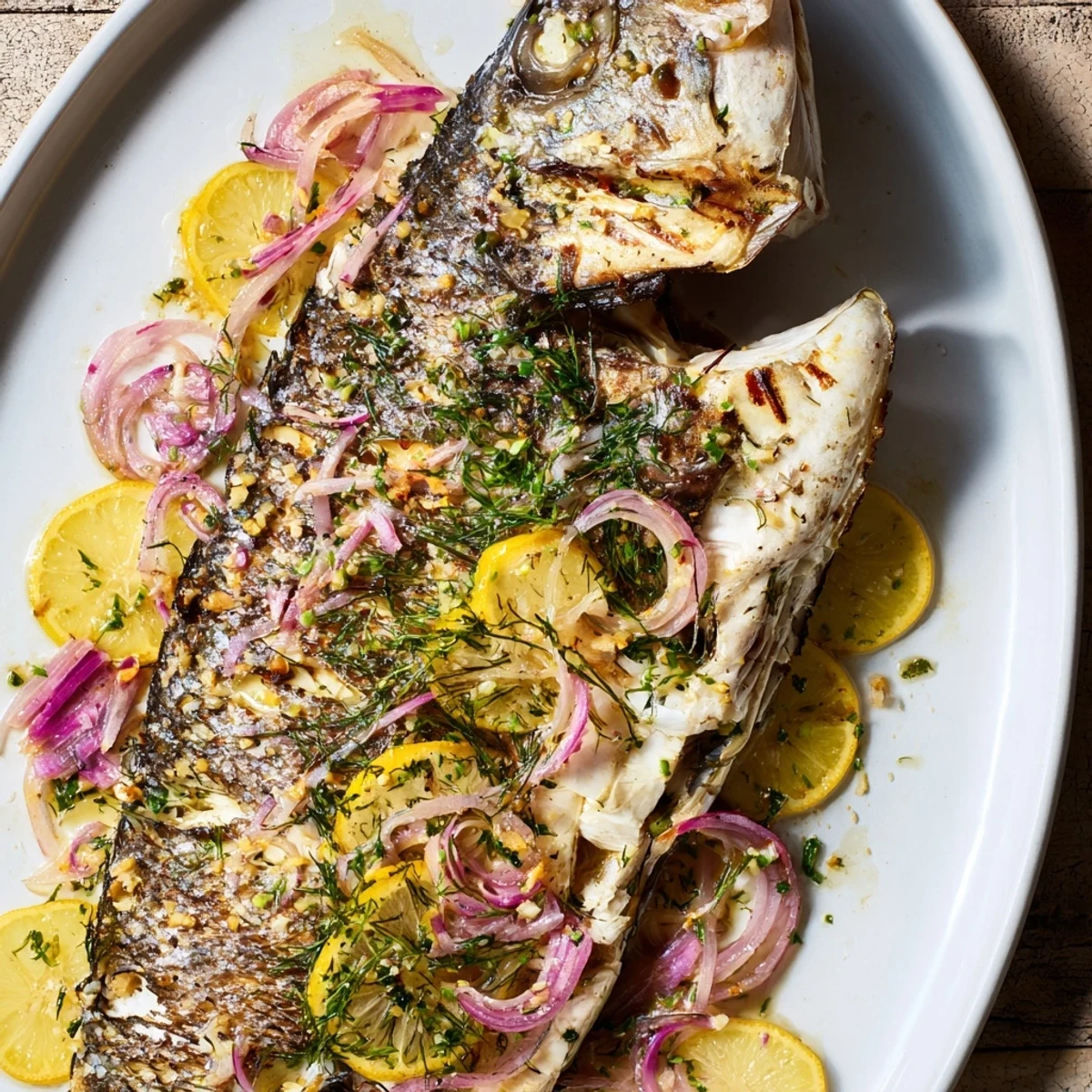
Save There's something quietly triumphant about pulling a whole fish from the oven, golden and fragrant, and setting it down in front of people you care about. It's a dish that invites conversation, laughter, and the kind of unhurried eating that turns dinner into an occasion.
Common Questions
- → How do I know when the sea bass is cooked?
-
The sea bass is done when the flesh turns opaque and flakes easily with a fork; this usually takes 20–25 minutes at 200°C (400°F).
- → Can I use different herbs for the stuffing?
-
Yes, herbs like dill or basil can replace thyme and rosemary to suit your taste preferences.
- → Is it necessary to score the fish skin?
-
Scoring helps the seasoning penetrate and ensures even cooking, preventing the skin from curling.
- → What can I add for extra flavor?
-
Cherry tomatoes or olives scattered on the baking tray add complementary flavors and moisture.
- → How should I serve the baked sea bass?
-
Serve immediately after baking, garnished with fresh parsley and lemon wedges; pairs well with crisp white wine.