
 Save
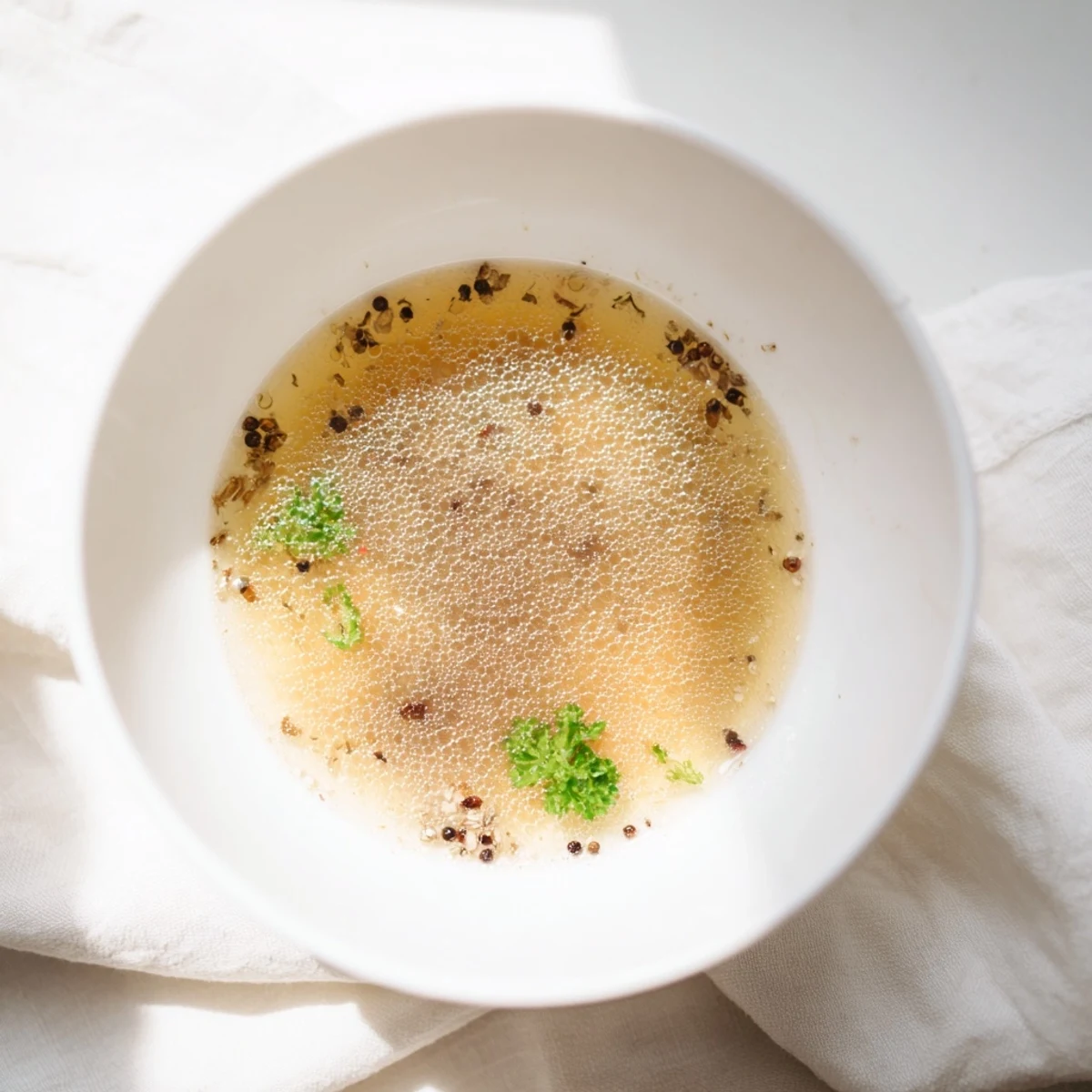
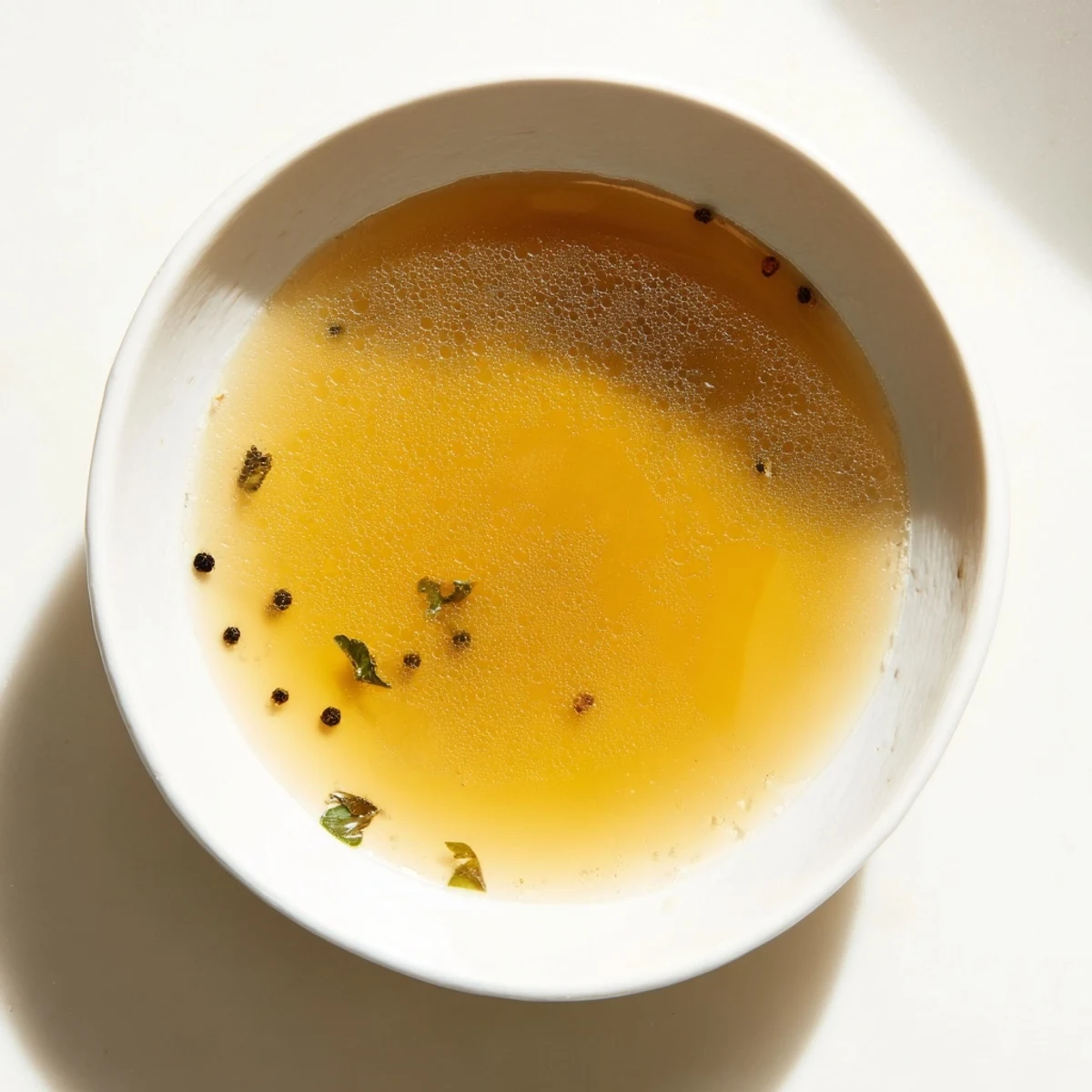
Save This nourishing broth combines roasted beef bones with vegetables and herbs, simmered slowly for up to 8 hours. The process extracts deep flavors and nutrients, resulting in a rich, savory liquid perfect for sipping warm or enhancing soups, sauces, and stews. Roasting the bones first adds caramelized depth, while slow simmering helps develop a robust, comforting taste. This broth can be refrigerated for several days or frozen for longer storage.
Discovering how to make beef bone broth was a game changer in my kitchen—it felt like unlocking a secret elixir of rich flavors and nourishing warmth that I never wanted to live without.
I remember the first time unexpected guests arrived and I pulled this broth from the fridge to craft an impromptu soup; their eyes lit up with every spoonful, and I realized this was more than just a recipe—it was comfort made tangible.
Ingredients
- Beef Bones: I reach for marrow and knuckle bones with some meat attached for the richest flavor and silky texture
- Vegetables: Carrots, celery, onion, and garlic add a subtle sweetness and earthy backdrop
- Aromatics & Seasoning: Bay leaves, black peppercorns, thyme, parsley, and apple cider vinegar balance freshness with a gentle bite
- Water: Use cold water to slowly coax flavors out as the broth simmers
- Salt: Added at the end to fine tune the seasoning
Instructions
- Roast the Bones:
- Preheat your oven to 220°C (425°F) and roast beef bones until they are deeply browned and fragrant—this step gives your broth that irresistible depth.
- Build Your Broth Base:
- Transfer bones to a large stockpot and add roughly chopped vegetables, garlic, herbs, and apple cider vinegar—the air starts filling with fresh, earthy aromas right away.
- Simmer Slowly:
- Cover everything with cold water and bring to a gentle boil, then reduce to a slow simmer. Skim off any foam that floats to the top—this keeps your broth clear and clean tasting.
- Patience is Key:
- Let the broth simmer uncovered for 8 hours (or longer if you have the time), adding water as needed to keep the bones submerged; the smell will deepen and your kitchen will feel cozy, almost magical.
- Final Seasoning and Strain:
- In the last hour, add salt to taste. When done, strain the broth through a fine-mesh sieve, discarding solids, and cool before refrigerating or freezing.
 Save
Save This broth isn’t just a cooking ingredient to me anymore—it’s a warm memory of shared dinners and quiet moments when nourishing something felt like the kindest thing I could do.
Keeping It Fresh
Once cooled, you can refrigerate your broth for up to 5 days. Always skim off the solidified fat before reheating for a clean and silky finish that tastes like it came straight from a gourmet kitchen.
When You're Missing Something
If you run low on fresh herbs or vegetables, dried herbs work fine, and a splash of soy sauce or miso can add umami depth when you want a flavor twist.
Serving Ideas That Clicked
Beyond sipping it warm, try this broth as a base for risottos, stews, or even cooking grains for extra flavor.
- Before guests leave, remind them it stores well in the freezer for spontaneous comfort meals
- Oh, and don’t toss those bones after roasting—they hold a surprise if you roast with tomatoes next time
- Keep a ladle handy to enjoy a warm cup on chilly days; it’s like a mini spa treatment for your soul
 Save
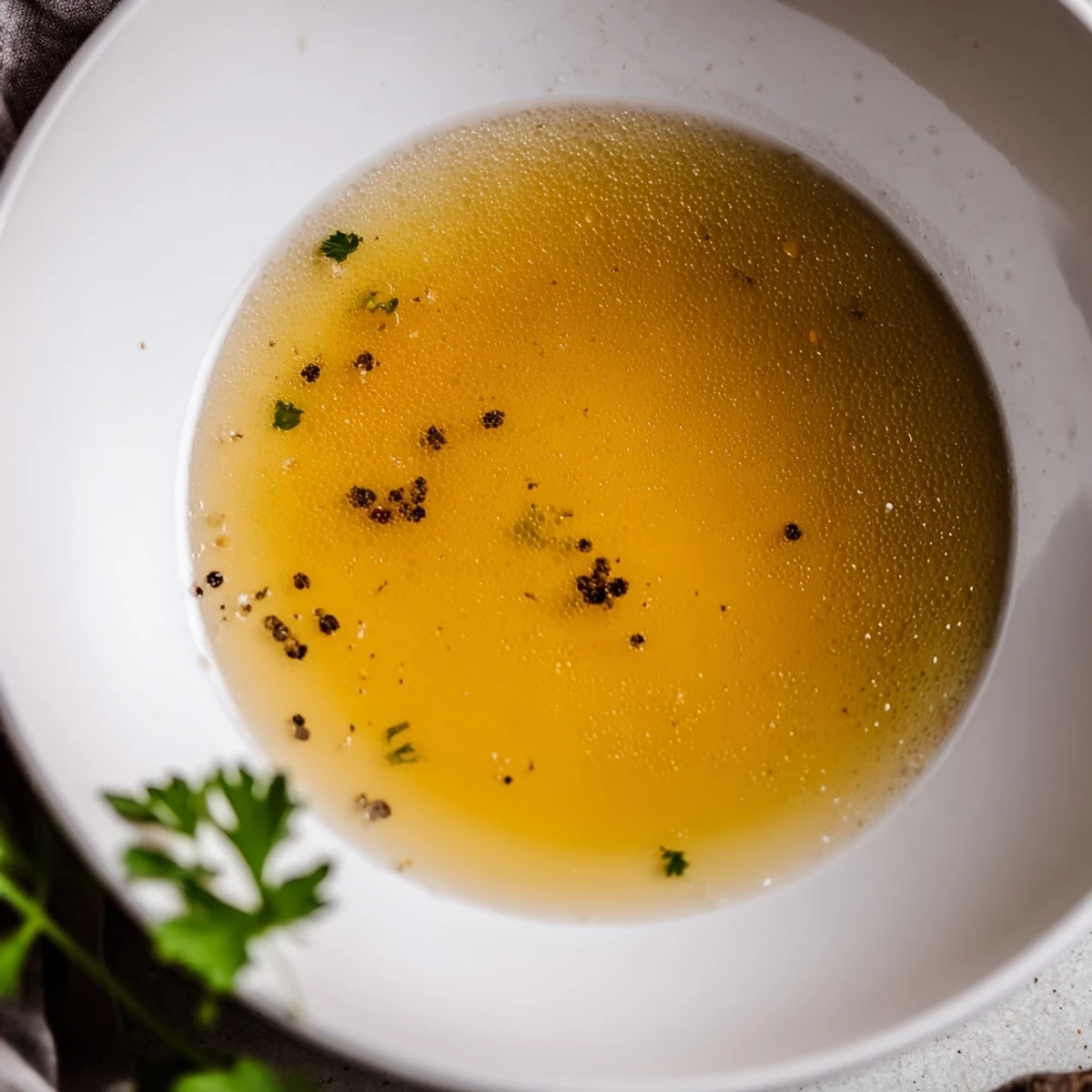
Save Thanks for spending this kitchen moment with me—here’s to many warm bowls and happy memories ahead.
Common Questions
- → What bones are best for making this broth?
-
Use marrow, knuckle, or shank beef bones with some meat attached to maximize flavor and richness.
- → How long should the broth simmer?
-
Simmer for at least 8 hours to extract maximum flavor and nutrients; longer simmering up to 24 hours yields deeper taste.
- → Can I add other ingredients for extra flavor?
-
Yes, adding aromatics like thyme, parsley, garlic, and bay leaves enhances complexity; tomato paste before roasting can deepen flavor.
- → How should I store the broth after cooking?
-
Cool and refrigerate up to 5 days or freeze in portions for up to 6 months; skim off solidified fat before use if preferred.
- → Is this broth suitable for special diets?
-
Yes, it is gluten-free, dairy-free, and paleo-friendly, making it adaptable to diverse dietary needs.
- → Can this broth be used directly as a warm drink?
-
Absolutely—enjoy it warm as a nourishing drink or as a base for various dishes to add depth and warmth.