
 Save
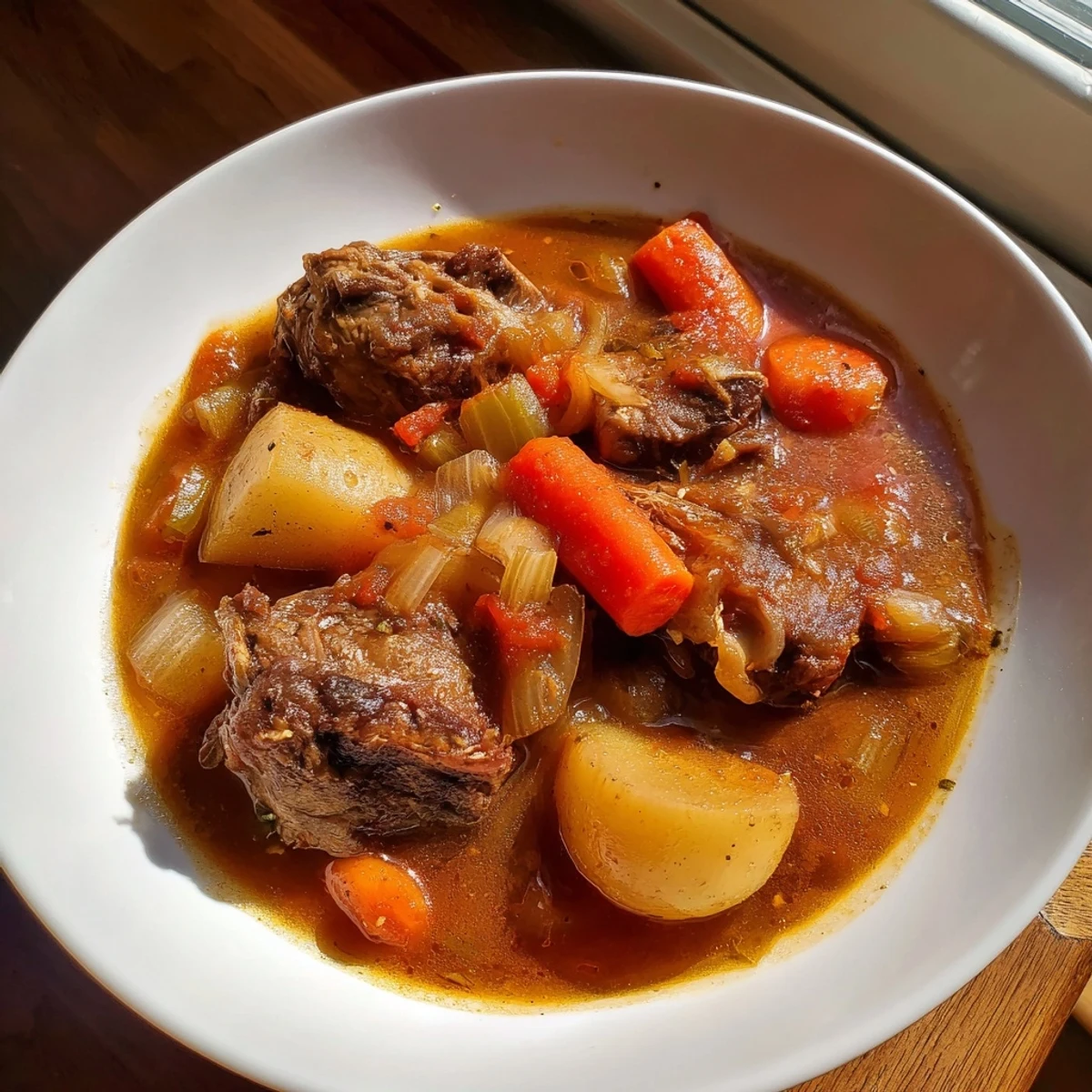
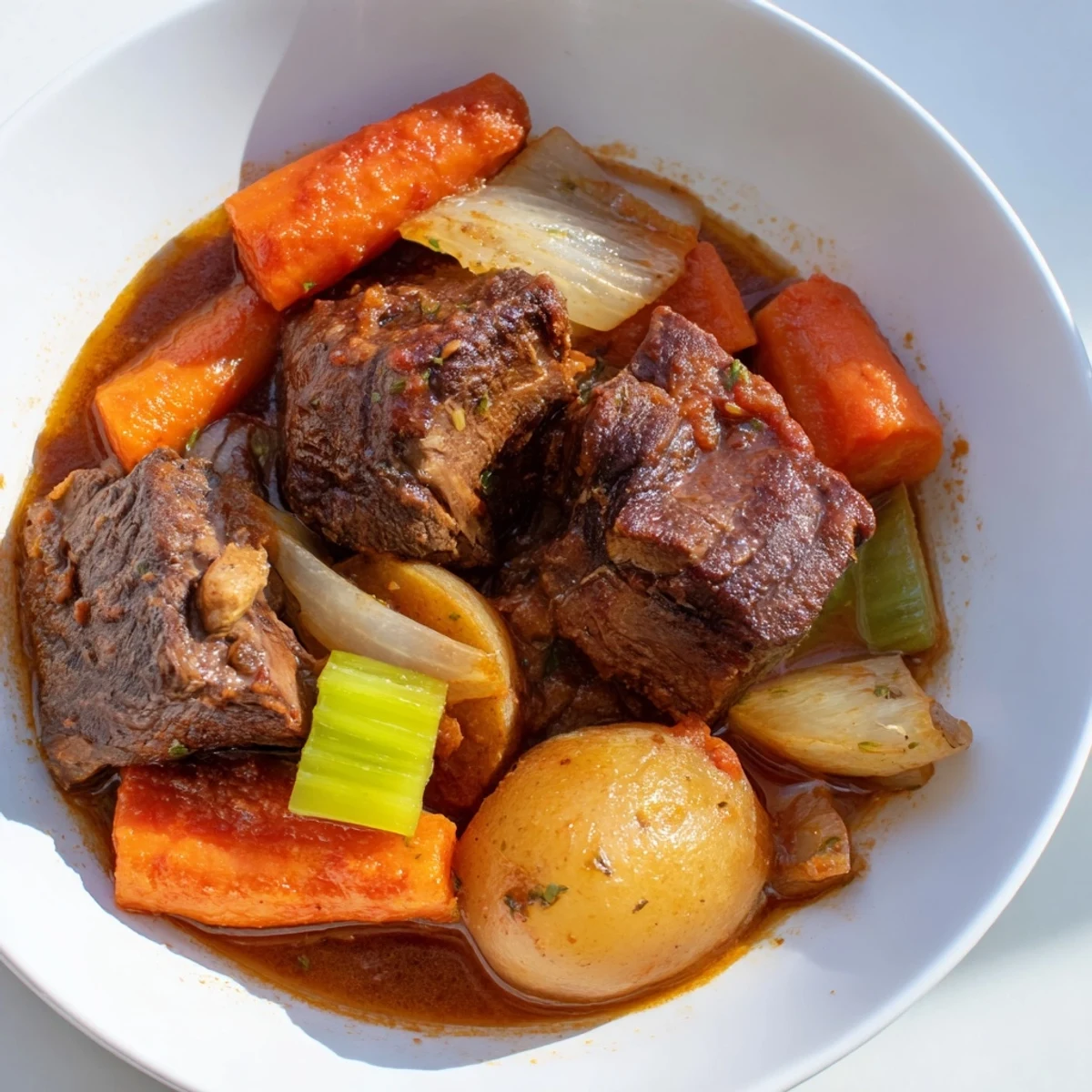
Save This bone-in beef stew offers comforting, rich flavors as the beef shanks are seared to seal in juices before simmering slowly with carrots, onions, celery, and potatoes. Enhanced by red wine and herbs, the dish develops deep, satisfying taste and tender meat. A touch of tomato paste and cornstarch creates a luscious, thickened broth perfect for warming meals. Serve hot alongside crusty bread or noodles.
There's something about the smell of beef browning in a hot pan that stops me mid-afternoon. Years ago, my neighbor knocked on my door asking if I was cooking something special—turns out that savory crust on bone-in beef shank had drifted through our shared hallway. She ended up staying for dinner, and that bowl of stew with its rich, almost silky broth became the reason she learned to make it herself. Now I make this whenever the weather turns cool, and I always think of how one pot can pull people together.
I learned to make this properly when my partner's grandmother visited from the countryside and gently corrected my rushing. She watched me skip the searing step once and said nothing, but the stew was flat that night—dull in a way that stuck with me. The next time she came, I seared every piece until it was deep brown, and she nodded approval. That's when I understood this recipe isn't just about throwing ingredients in a pot; it's about respecting each step.
Ingredients
- Bone-in beef shank or short ribs (1.5 kg / 3.3 lbs): The bones are where the magic lives—they release gelatin that makes the broth silky and rich, far better than boneless cuts ever could.
- Carrots, onions, and celery: These aren't just filler; they're building blocks of flavor that infuse the entire pot as they soften into the broth.
- Potatoes (3 medium): They thicken the stew naturally as their starches dissolve, so you might not need the cornstarch at all.
- Garlic (3 cloves, minced): Add it after the vegetables soften, or it can turn bitter and overpower everything else.
- Beef stock (1.2 liters / 5 cups): Quality matters here—a weak stock makes a weak stew, so taste yours before you buy.
- Dry red wine (250 ml / 1 cup): The acidity cuts through the richness and adds complexity; don't use anything you wouldn't drink.
- Tomato paste (2 tbsp): This deepens the savory notes without making it taste like tomato soup—a crucial difference.
- Bay leaves and dried thyme: Bay leaves are woody and peppery, thyme is earthy; together they anchor the whole dish.
- Salt and black pepper: Season as you go, not just at the end, so flavors develop throughout cooking.
Instructions
- Prepare and pat your beef:
- Dry the meat thoroughly with paper towels—moisture is the enemy of a good sear. Season generously with salt and pepper while the pan heats.
- Sear until golden brown:
- Heat a splash of oil until it shimmers, then lay the beef pieces down without moving them for 3 minutes per side. You want a mahogany crust that locks in flavor, not pale gray meat that looks boiled.
- Build your flavor base:
- Once the beef is out, sauté onions, carrots, and celery in the same pot for 5 to 6 minutes until they soften and stick slightly to the bottom. Add minced garlic and cook just 1 minute more—you'll smell when it's right.
- Add tomato paste and let it bloom:
- Stir the tomato paste into the vegetables and cook for 2 minutes, stirring so it touches the hot pan. This caramelizes it and removes any tinny taste.
- Deglaze with wine:
- Pour in the wine and scrape the bottom of the pot with a wooden spoon, lifting all those browned bits. Let it simmer for 3 minutes so the wine loses its sharpness.
- Add beef and liquid:
- Return the meat to the pot, then pour in the stock. Drop in your bay leaves and thyme, bring everything to a boil, then immediately lower the heat to a gentle simmer, cover, and let time do the work.
- First simmer (1.5 hours):
- The pot should bubble gently, rarely breaking the surface. Check once midway through—the broth should smell rich and meaty, and the beef should be starting to pull away from the bone.
- Add potatoes and finish simmering (45 minutes):
- Cut them roughly equal in size so they cook at the same rate. They'll soften and release starch into the broth, naturally thickening it.
- Thicken if needed:
- If you want a thicker broth, mix cornstarch with cold water until smooth, stir it in, and simmer 5 more minutes. The stew will thicken as it sits, so be conservative.
- Finish and serve:
- Fish out the bay leaves, taste for salt and pepper, and serve hot, preferably with crusty bread to soak up every last drop.
 Save
Save Years ago, I made this stew on a Friday evening and forgot to remove the bay leaves. My partner found one floating in her spoon and laughed, but it reminded me why we cook—not for perfection, but for the moments when someone tastes what you made and decides to stay a little longer. That one pot has hosted so many quiet dinners.
Why Bone-In Beef Matters
Boneless beef stew is faster, but it's also thinner in flavor and thinner in broth. Bone-in cuts release collagen as they simmer, creating a broth with natural body and a silky mouthfeel that rivals any restaurant version. The marrow adds sweetness, and the meat clinging to the bone stays more tender because the bone shields it from drying out. Once you make it this way, boneless cuts feel incomplete.
Timing and Make-Ahead Strategy
This stew actually improves overnight; the flavors settle and deepen in a way they can't while still hot. I often make it the day before I plan to serve it, which means I'm just reheating on the busy day. The stew also freezes beautifully for up to three months—portion it into containers before the fat sets, so you can thaw and reheat quickly when you need it most.
Small Variations That Change Everything
Once you master the base, you can shift the stew in different directions without losing its soul. A splash of Worcestershire sauce adds umami and a subtle tangy edge; a sprig of fresh rosemary brings piney aromatics instead of the earthiness of thyme. Parsnips or turnips swap in beautifully for potatoes if you want a sweeter, earthier note. The structure stays the same, but the mood changes.
- Add Worcestershire sauce or soy sauce for extra umami depth.
- Substitute parsnips or turnips for potatoes to shift the sweetness profile.
- Finish with fresh parsley if you want brightness cutting through the richness.
 Save
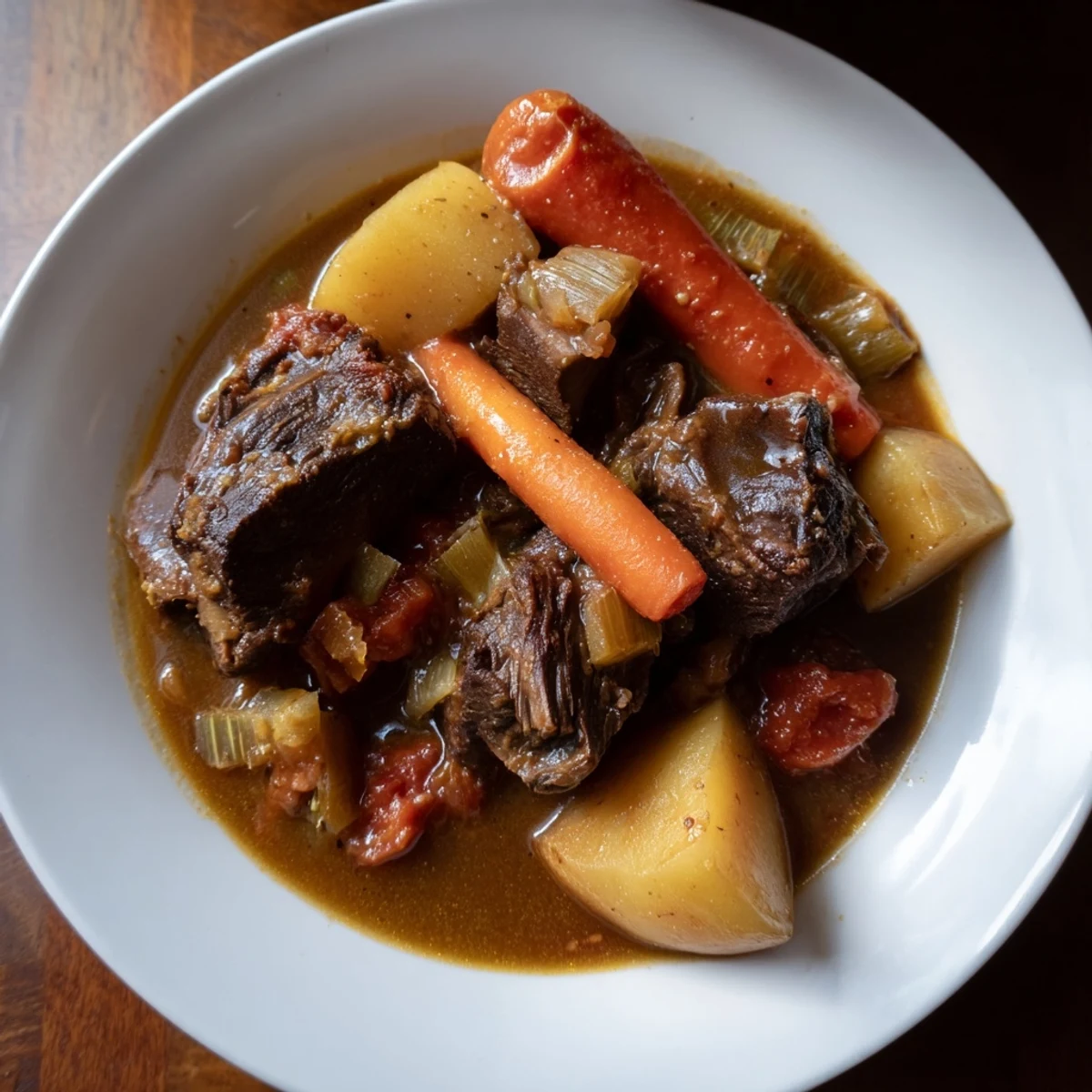
Save This stew is proof that the best things take time. Pour a bowl, find someone to share it with, and let the rest of the evening unfold.
Common Questions
- → What cut of beef works best?
-
Bone-in beef shanks or short ribs provide rich flavor and tender meat when simmered slowly.
- → Can I use different vegetables?
-
Yes, parsnips or turnips can substitute for potatoes for a slightly different flavor and texture.
- → How is the stew thickened?
-
A mixture of cornstarch and cold water is stirred in near the end to create a silky, thicker consistency.
- → What liquids enhance the flavor?
-
Beef stock and dry red wine combine with tomato paste for a rich, savory broth.
- → How long should the stew simmer?
-
Simmer covered for about 2 hours 15 minutes total to ensure tender meat and cooked vegetables.