
 Save
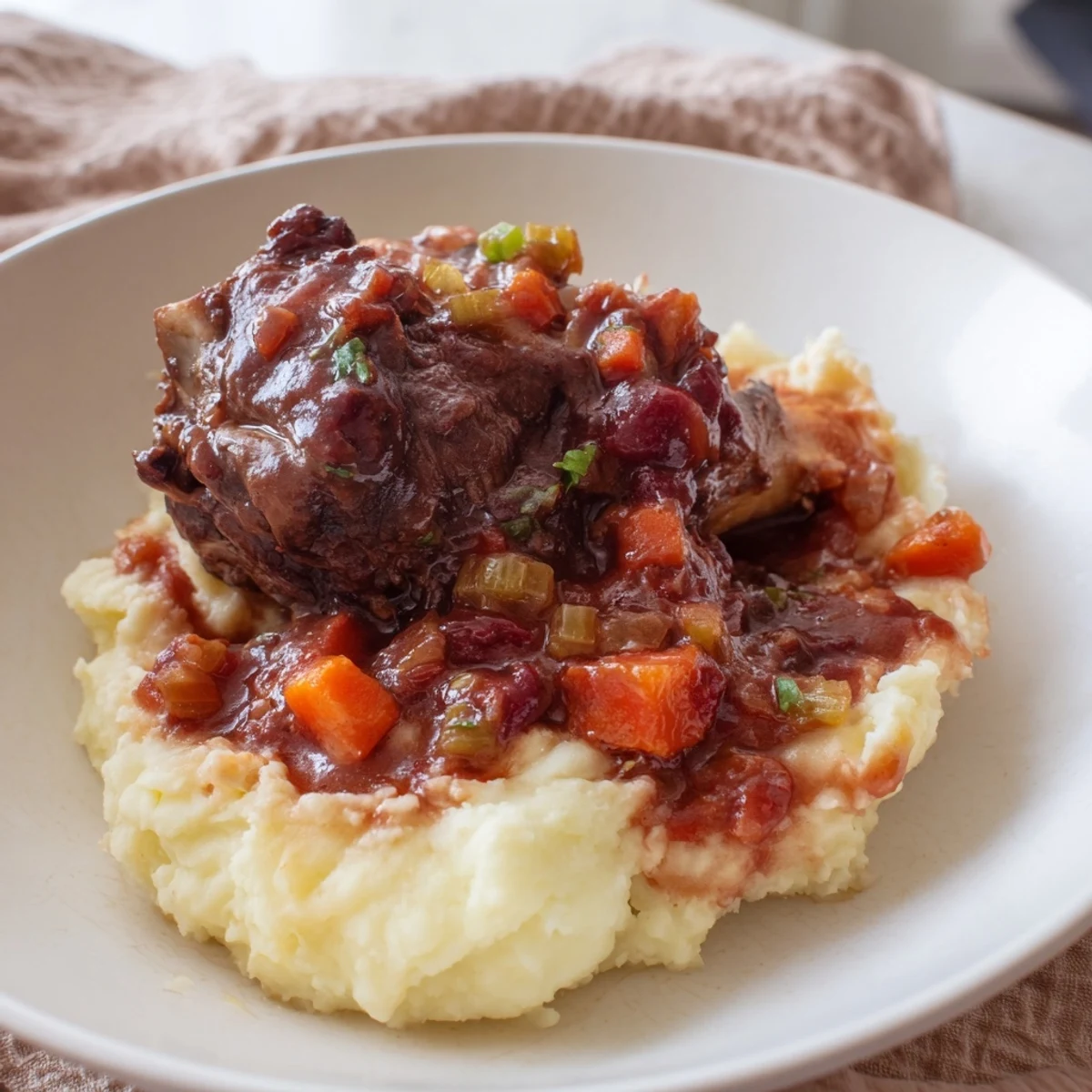
Save Slow-cooked lamb shanks become tender and flavorful after hours braising in a rich red wine and herb-infused sauce. Carrots, celery, and onions are sautéed to provide a savory base, while fresh rosemary, thyme, and bay leaves add aromatic depth. Served over buttery mashed potatoes made from peeled floury potatoes, milk, and butter, this dish combines robust, comforting flavors into an elegant main course perfect for family meals or special occasions.
I stumbled onto this recipe one rainy November evening when I had four lamb shanks in the fridge and no clear plan. The smell of red wine simmering with rosemary filled the kitchen and made the whole house feel like a rustic inn. By the time those shanks emerged from the oven, falling off the bone, I knew I'd found something worth repeating. It's become my go-to when I want to impress without the fuss of complicated techniques.
The first time I served this to friends, I worried the shanks would be too gamey for some palates. Instead, everyone went quiet for a few minutes, busy scraping their plates clean and mopping up every drop of sauce with the mash. One friend asked if I'd trained in a French kitchen, which made me laugh because the whole thing came together in my tiny apartment oven. That night taught me that slow-cooked lamb has a way of turning a simple dinner into a memory.
Ingredients
- Lamb shanks: Look for pieces that are roughly the same size so they cook evenly, and don't skip the browning step as it builds deep flavor into the sauce.
- Olive oil: Use a good quality oil for browning since it will help develop that beautiful crust on the meat.
- Carrots and celery: These form the aromatic base and they break down into the sauce, adding natural sweetness and body.
- Onion and garlic: Chop them small so they melt into the braising liquid and release their savory depth without overpowering the lamb.
- Dry red wine: Pour yourself a glass while you cook, and use a wine you'd actually drink since its flavor will concentrate as it simmers.
- Beef or lamb stock: Homemade is lovely, but a good store-bought one works fine as long as it's rich and not too salty.
- Canned chopped tomatoes: They add acidity and a slight sweetness that balances the wine and makes the sauce silky.
- Rosemary, thyme, and bay leaves: Fresh herbs are best here, their woodsy notes infuse the meat and sauce with warmth.
- Floury potatoes: Varieties like Maris Piper or Russet mash beautifully and absorb the butter and milk without turning gluey.
- Whole milk and unsalted butter: Warm the milk before adding it to the potatoes, and don't skimp on the butter for that cloud-like texture.
Instructions
- Preheat and prepare:
- Set your oven to 160°C so it's ready when the lamb goes in. Season the shanks generously with salt and pepper, coating every side.
- Brown the lamb:
- Heat olive oil in a large ovenproof pot over medium-high heat, then sear each shank until deep golden all over, turning carefully with tongs. Set them aside on a plate and don't worry about cooking them through yet.
- Build the base:
- Lower the heat slightly and add the onions, carrots, celery, and garlic to the same pot. Stir them around for about five minutes until they soften and start to smell sweet.
- Deglaze with wine:
- Pour in the red wine and use a wooden spoon to scrape up all those caramelized bits stuck to the bottom. Let it bubble for three minutes to cook off the raw alcohol.
- Add liquids and herbs:
- Stir in the canned tomatoes, stock, rosemary, thyme, and bay leaves. Nestle the lamb shanks back into the pot so they're mostly covered by the liquid.
- Braise low and slow:
- Cover the pot with a tight lid and slide it into the oven. Let it braise for two to two and a half hours until the meat is so tender it pulls away from the bone with a gentle tug.
- Make the mash:
- While the lamb cooks, boil the potatoes in salted water for about twenty minutes until a fork slides through easily. Drain them well, then mash with warm milk and butter until smooth and creamy, seasoning with salt and pepper to taste.
- Finish and serve:
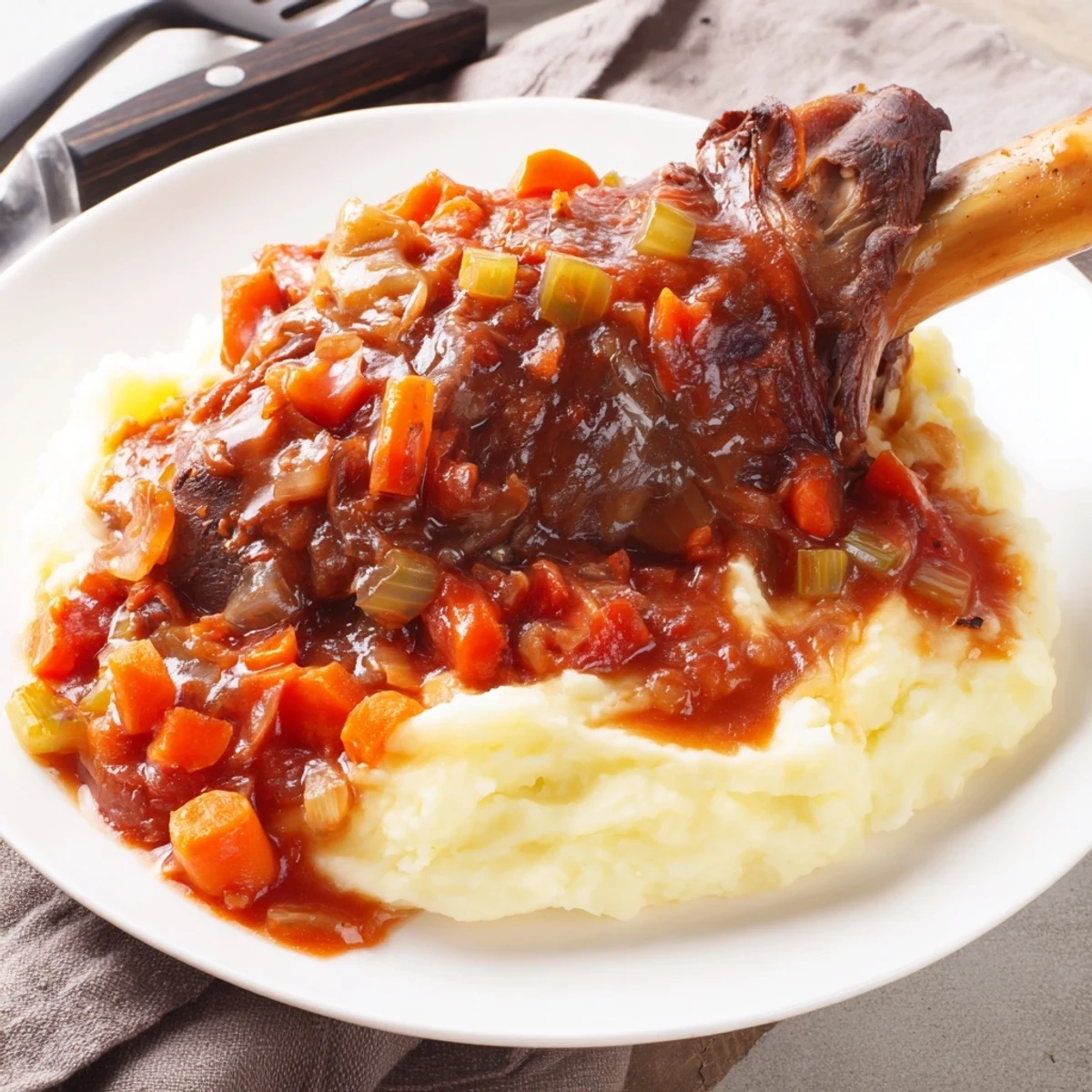
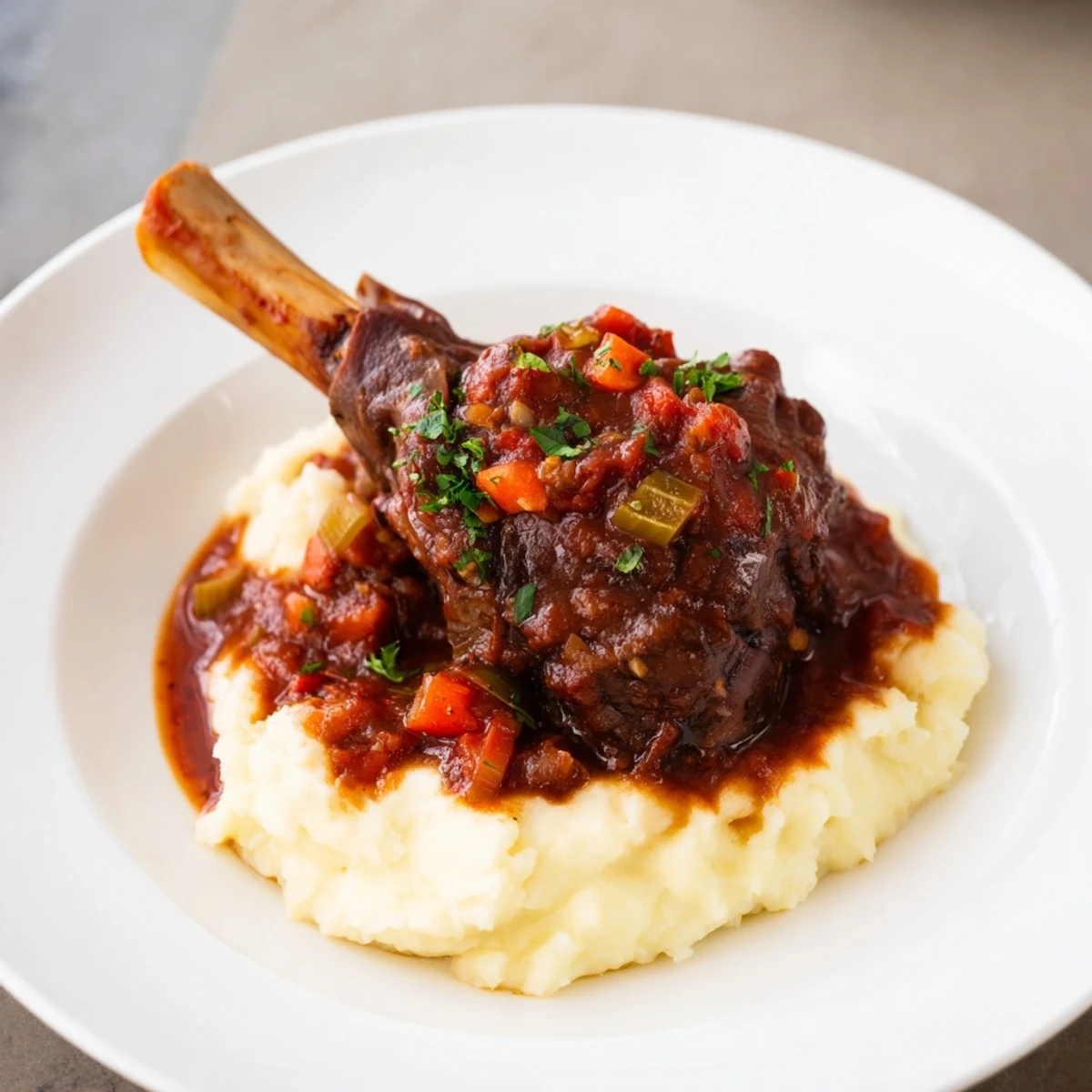
- When the lamb is done, skim any excess fat from the surface of the sauce with a spoon. Spoon a generous pile of mash onto each plate, top with a shank, and ladle the vegetables and glossy sauce over everything.
 Save
Save There was one winter evening when I made this for my parents and my dad, who rarely says much about food, paused mid-bite and said it reminded him of a bistro he visited in Provence decades ago. That moment reminded me why I love cooking, not just for the flavors but for the way a dish can unlock a story or a feeling someone thought they'd forgotten. This lamb shank recipe has a way of doing that, turning a quiet dinner into something a little more meaningful.
Choosing Your Lamb
I've learned to ask the butcher for shanks that weigh around 350 grams each because they fit nicely in the pot and cook at the same rate. If you get wildly different sizes, the smaller ones might overcook while the larger ones stay tough. Fresh is ideal, but frozen works too as long as you thaw them completely in the fridge overnight so they brown evenly.
Wine and Stock Pairing
The first time I used a cheap, overly sweet wine, the sauce tasted cloying and one-dimensional. Now I stick to a dry red I'd pour at dinner, something with good body like a Shiraz or Merlot. For the stock, lamb stock is wonderful if you can find it, but a rich beef stock does the job beautifully and adds a deep, savory backbone to the braise.
Serving and Storing
I like to plate this family-style, piling the mash in a wide shallow bowl and arranging the shanks on top so everyone can help themselves. Leftovers keep for three days in the fridge, and the sauce thickens as it cools, making it even more luscious when you reheat it gently on the stove.
- Garnish with a sprig of fresh rosemary or thyme for a touch of green.
- Serve with crusty bread on the side to mop up every drop of sauce.
- A simple green salad with a sharp vinaigrette cuts through the richness nicely.
 Save
Save This dish has become one of those recipes I return to when I want comfort and a little elegance at the same time. I hope it fills your kitchen with the same warmth and makes your table feel like a celebration, even on an ordinary weeknight.
Common Questions
- → How long should lamb shanks be braised for optimal tenderness?
-
Braise the lamb shanks for 2 to 2½ hours until the meat is fork-tender and easily pulls away from the bone.
- → Can I substitute any ingredients in the mash?
-
Yes, sweet potatoes can be used instead of floury potatoes for a different flavor and texture in the mash.
- → What kind of wine works best for braising lamb shanks?
-
Dry red wines like Shiraz or Cabernet Sauvignon enhance the sauce’s rich flavor and complement the lamb well.
- → How can I make the sauce smoother and more refined?
-
Strain and reduce the braising liquid before serving to achieve a smoother, more concentrated sauce.
- → Is this dish suitable for gluten-free diets?
-
Yes, as long as gluten-free stock is used, this dish is suitable for gluten-free diets.
- → How should the vegetables be prepared before braising?
-
Onions, carrots, celery, and garlic should be diced and sautéed for about 5 minutes until softened to build flavor before adding liquids.