
 Save
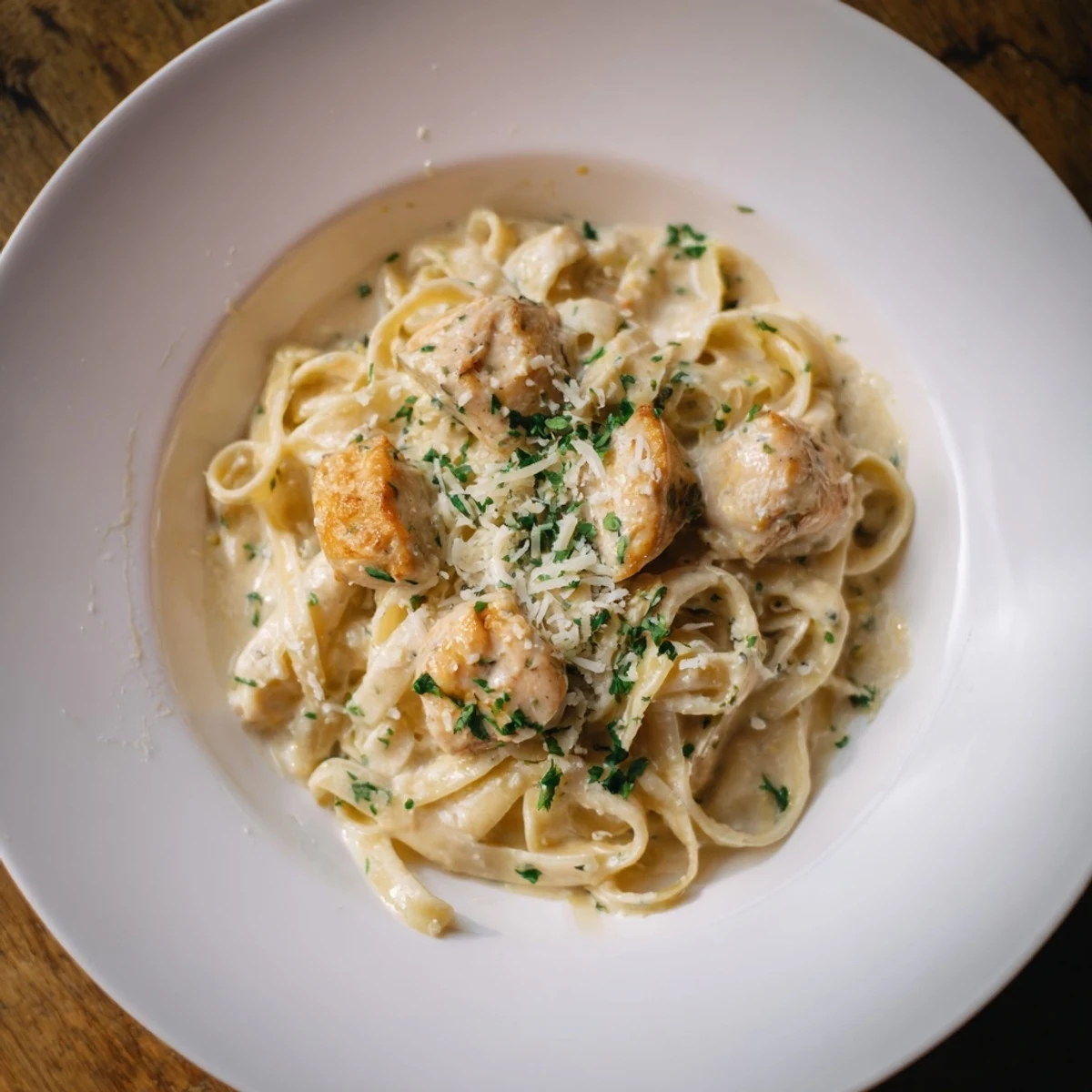
Save This dish features tender chicken breast strips sautéed to golden perfection, combined with al dente fettuccine pasta. A luscious sauce made from butter, olive oil, garlic, heavy cream, milk, and freshly grated Parmesan cheese brings everything together. The sauce is gently simmered and thickened, with a hint of nutmeg to enhance the flavor. Mixed back with the chicken and pasta, it creates a creamy, indulgent plate garnished with fresh parsley and extra Parmesan for added depth.
I still remember the first time I made Chicken Alfredo from scratch—it was a rainy Thursday evening when my roommate came home exhausted from work, and I wanted to create something that felt like a warm hug on a plate. I'd watched countless cooking shows, but I was nervous about making that creamy sauce without it breaking or tasting too heavy. The moment I tasted that silky Parmesan sauce clinging to perfectly cooked fettuccine, with golden chicken strips folded throughout, I understood why this dish has been a restaurant favorite for generations. It turned out to be easier than I'd imagined, and now it's become my go-to dinner when I want to feel like I've done something special in the kitchen.
I made this for my sister's birthday dinner last spring, and watching her face light up when she took that first bite told me everything I needed to know about this recipe. She's not one to gush about food, but she asked for seconds before finishing her first plate, and then—the real compliment—she asked if I could teach her how to make it. That's when I realized this wasn't just a recipe; it was something that brought people together.
Ingredients
- 2 large boneless, skinless chicken breasts (about 450 g), sliced into strips: Slicing them yourself ensures they cook evenly and stay tender; if you slice them thin, they'll cook faster and absorb the sauce beautifully
- 350 g (12 oz) fettuccine pasta: The wide ribbons are perfect for catching and holding that creamy sauce—don't swap for thin spaghetti or you'll miss half the flavor
- 2 tablespoons unsalted butter: Unsalted lets you control the salt level and prevents the sauce from becoming too salty as the Parmesan is added
- 2 tablespoons olive oil: This helps the butter cook the chicken at a higher temperature without burning; it's your insurance policy against sticking
- 3 cloves garlic, finely minced: Garlic is your secret weapon here—don't skip it or use powder, fresh garlic gives the sauce its soul
- 250 ml (1 cup) heavy cream: This is what makes the sauce luxurious; there's no skipping or substituting this one if you want authentic Alfredo
- 100 g (1 cup) grated Parmesan cheese: Use freshly grated if possible—pre-shredded contains anti-caking agents that can make your sauce grainy and disappointing
- 75 ml (1/3 cup) whole milk: A little milk stretches the cream and makes the sauce silkier; it's the difference between heavy and elegant
- ¼ teaspoon freshly grated nutmeg (optional): If you use it, this tiny amount adds a whisper of warmth that makes people say 'something's special about this'
- Salt and freshly ground black pepper, to taste: Season as you go—it's easier to add more than to fix over-salted sauce
- 2 tablespoons fresh parsley, chopped: This bright green garnish isn't just pretty; it cuts through the richness and freshens every bite
- Extra Parmesan cheese, for serving: Keep this at the table—everyone will want to add their own touch
Instructions
- Get your pasta water ready:
- Fill a large pot with salted water—it should taste like the sea. This is important because the pasta needs properly seasoned water to develop flavor. Bring it to a rolling boil before adding pasta.
- Cook the fettuccine:
- Add your pasta and stir it immediately so it doesn't stick. Follow the package directions but taste it a minute or two before the recommended time—you want it al dente, with just a slight firmness when you bite it. This matters because soft pasta will turn mushy when you toss it with the hot sauce. Before draining, scoop out about ½ cup of that starchy pasta water and set it aside; this liquid gold will help loosen your sauce later if needed.
- Season and sear your chicken:
- While the pasta cooks, pat your chicken strips dry with paper towels and season both sides generously with salt and pepper. Dry chicken browns better, and browning means flavor. Heat your olive oil and 1 tablespoon of butter in a large skillet over medium-high heat until it's shimmering and smells nutty. Add the chicken in a single layer—don't overcrowd the pan or it will steam instead of sear. Let it cook undisturbed for 3 minutes until the bottom develops a golden crust, then turn and cook another 2-3 minutes until the chicken is cooked through. You're looking for that beautiful golden-brown exterior. Remove it to a clean plate.
- Build your sauce base:
- In the same skillet (all those browned bits are flavor), lower the heat to medium and add the remaining 1 tablespoon of butter along with your minced garlic. Stir constantly for just about 1 minute—you want it fragrant and softened, but not brown. This is a delicate moment; rushing or letting it burn will make the sauce taste harsh instead of silky.
- Create the creamy foundation:
- Pour in your heavy cream and whole milk, stirring gently to combine. Let this come to a gentle simmer—you'll see it start to bubble slowly around the edges. Simmer for a minute, then turn the heat down to medium-low. This gentle heat is key to keeping the cream from breaking.
- Add the Parmesan—slowly and carefully:
- Here's where magic happens, but you have to be patient. Take your freshly grated Parmesan and add it a handful at a time, whisking constantly after each addition. Let each batch melt and incorporate before adding more. This slow process takes about 2-3 minutes and prevents the cheese from clumping. The sauce should go from creamy to silky and glossy. If you're using nutmeg, add it now along with a taste of salt and pepper.
- Bring it all together:
- Return your cooked chicken to the skillet. Add your drained fettuccine and toss everything together gently, letting the sauce coat every strand. If it seems too thick, add a splash or two of that reserved pasta water until it reaches the consistency you love—thick enough to cling to the pasta but loose enough to flow. Taste one more time and adjust your seasoning.
- Plate and serve immediately:
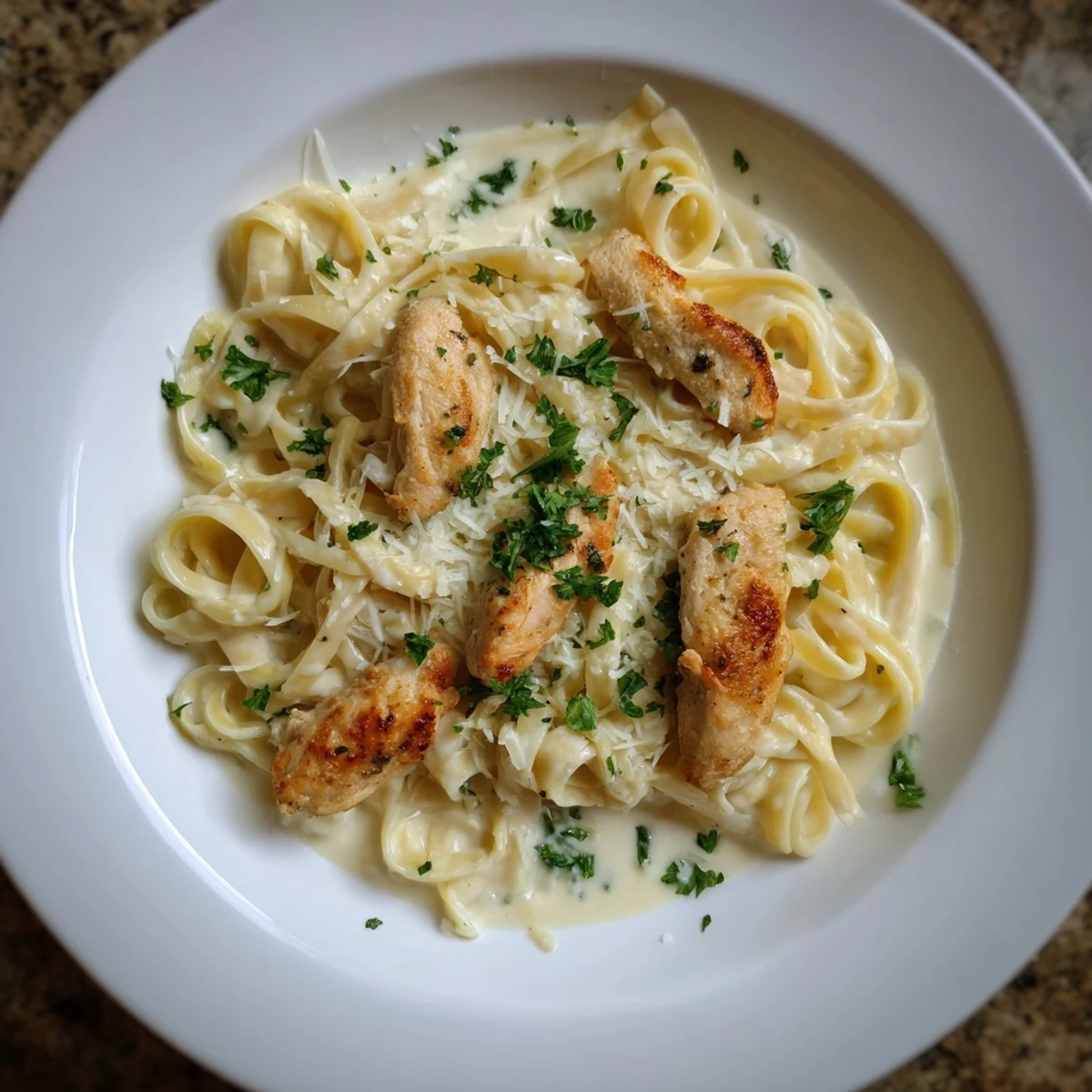
- This dish is best when served right away, while everything is warm and the sauce is still glossy. Divide among plates or bowls, garnish with fresh parsley and a generous handful of extra Parmesan, and serve at once.
 Save
Save I learned something profound making this dish for people I care about: the simple act of cooking something creamy and rich and offering it to someone who's had a hard day is a kind of love language. My college roommate still texts me about the Alfredo I made her the night before her medical school finals. She passed, of course, but she swears the pasta gave her courage.
Variations Worth Exploring
This recipe is a beautiful canvas for your own creativity. I've found that additions should be thoughtful—they should complement rather than compete with that gorgeous Parmesan sauce. If you want to add sautéed mushrooms, cook them separately in a bit of butter until golden, then fold them in at the end so they stay tender. Spinach works beautifully too; just wilt it in that garlic-butter mixture before adding the cream. Some nights I add sun-dried tomatoes for brightness, and once I even stirred in crispy bacon bits because I was feeling indulgent. The key is not to overcomplicate it—this dish's power is in its simplicity.
Wine and Dining Companions
This creamy, rich pasta begs for a crisp white wine to cut through all that wonderful richness. A Chardonnay with good acidity will feel like your best friend during this meal, as will a Pinot Grigio. I learned this the hard way by pairing it with a heavier red once and feeling like the two were fighting rather than dancing. A simple green salad alongside is perfect—something dressed lightly with lemon vinaigrette to refresh your palate between bites. Some crusty bread to soak up any remaining sauce is never a bad idea.
Making It Your Own
The magic of this recipe is that it's both foolproof enough for a weeknight dinner and elegant enough for company. I've made it dozens of times now, and I've learned that the best version is the one that makes you happy to cook it. Some nights I use shrimp instead of chicken—they cook faster and feel fancy. Other times I add extra garlic because I'm a garlic person. Trust your instincts, taste as you go, and remember that cooking is a conversation with the ingredients, not a test you can fail.
- If your sauce breaks or becomes grainy, whisk in a splash of cold milk off the heat and it usually comes back together
- Leftover Alfredo reheats beautifully on low heat with a splash of milk stirred in—it never tastes like leftovers
- This meal makes people feel cared for, which might be the most important ingredient of all
 Save
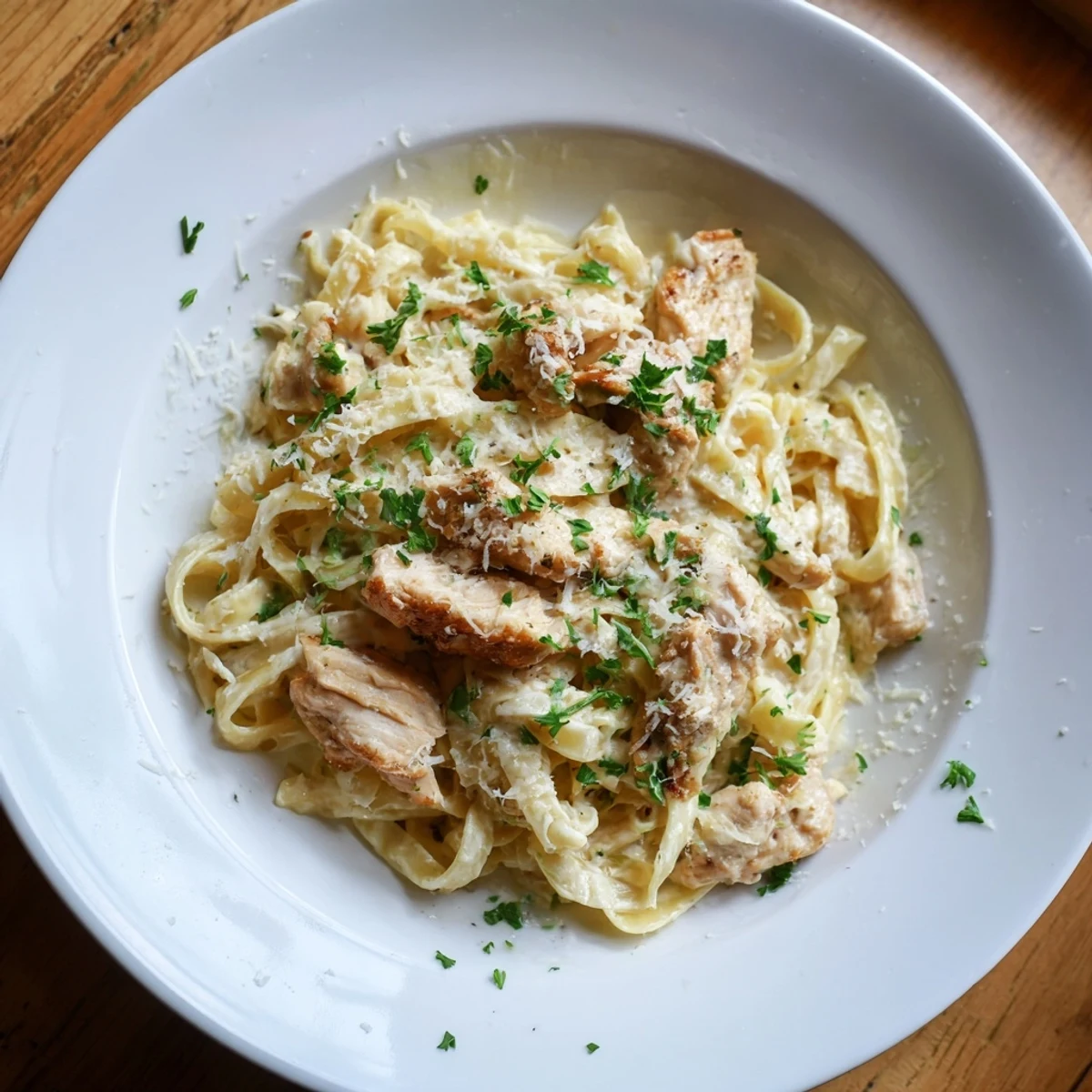
Save Every time I make Chicken Alfredo, I'm reminded that some of the most comforting moments in life happen around simple, honest food. This recipe has become my answer to 'what should I cook tonight when I want to feel like everything is going to be okay.' I hope it becomes that for you too.
Common Questions
- → What pasta works best with this dish?
-
Fettuccine is ideal as it holds the creamy sauce well, but you can substitute with tagliatelle or linguine for similar results.
- → How can I make the sauce silkier?
-
Reserve some pasta cooking water and add it gradually when mixing the sauce and pasta to achieve a smoother texture.
- → Is there a recommended cooking method for the chicken?
-
Cooking chicken strips in a hot skillet with olive oil and butter until golden brown ensures tenderness and flavor.
- → Can I add vegetables to enhance the dish?
-
Yes, sautéed mushrooms or spinach complement the creamy sauce nicely and add a fresh dimension.
- → What herbs pair well with this combination?
-
Fresh parsley adds a bright finish, while a touch of nutmeg in the sauce enriches the overall flavor profile.