
 Save
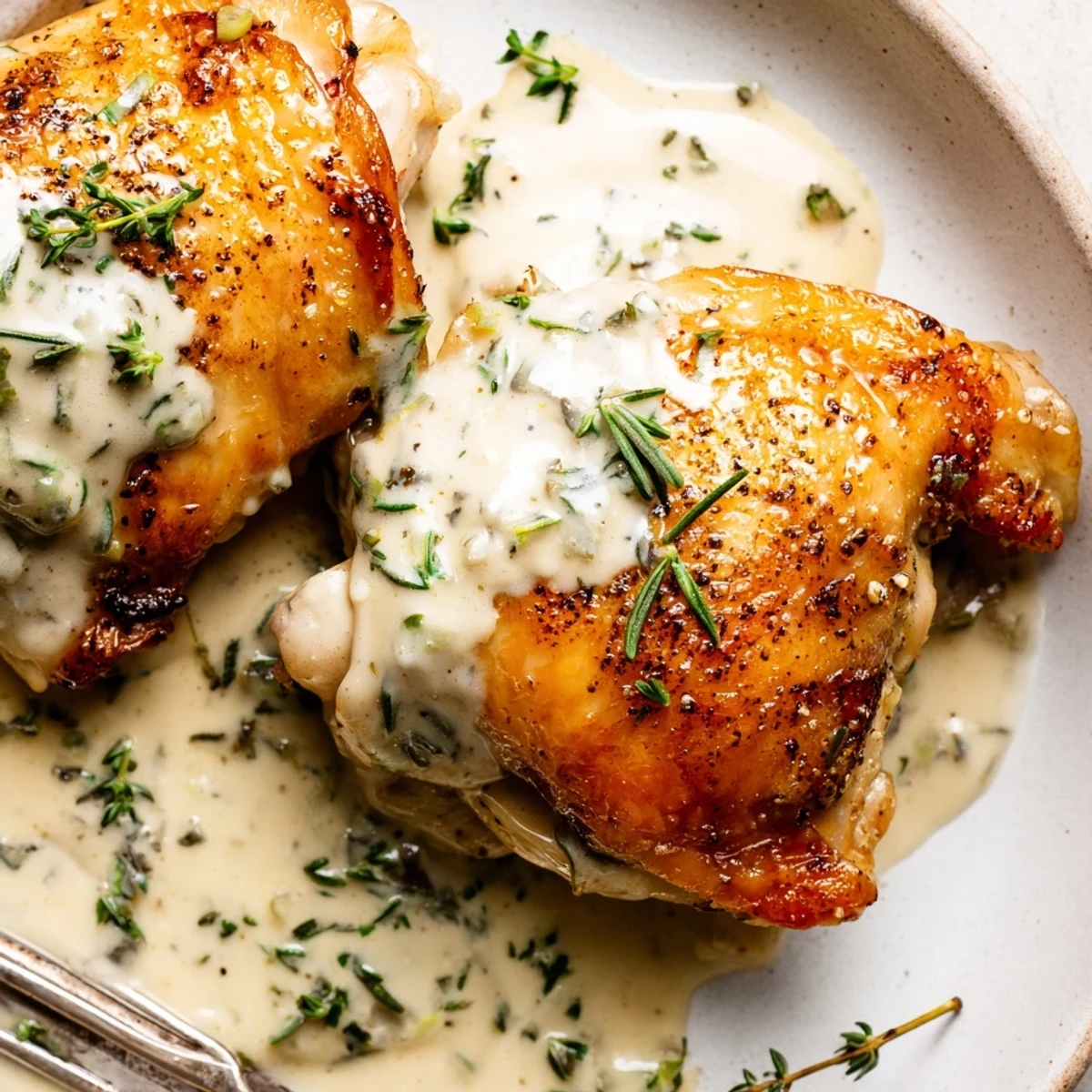
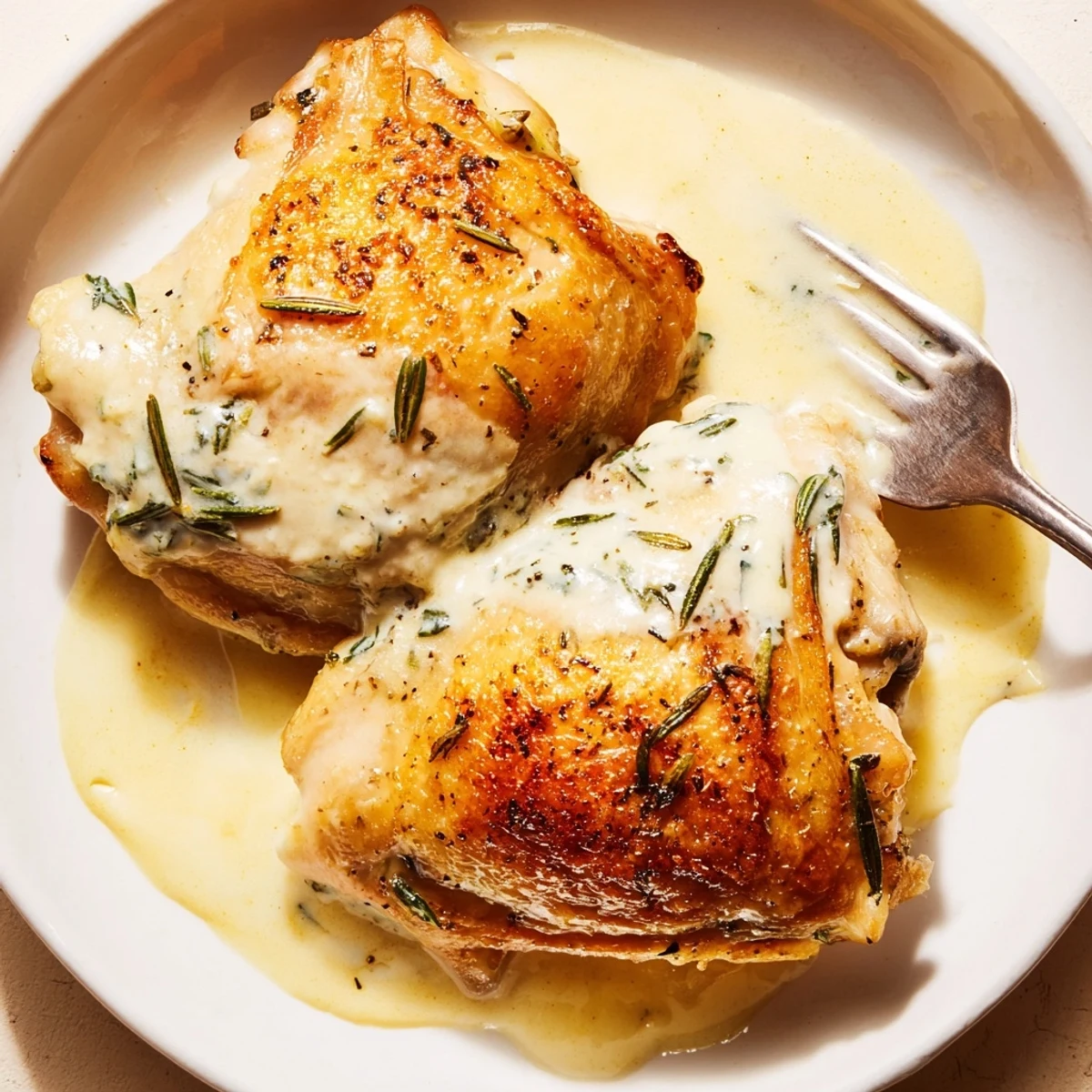
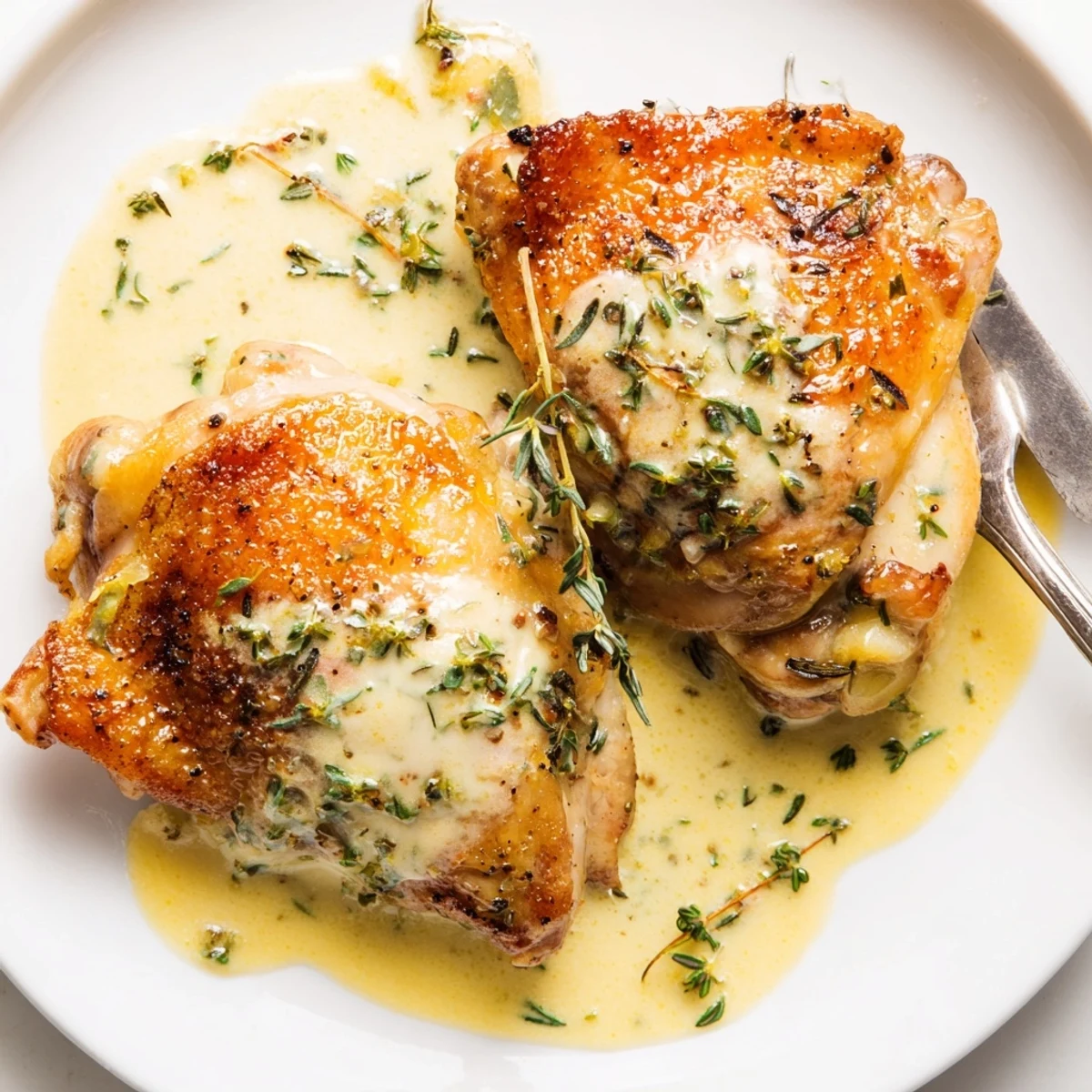
Save This method yields juicy bone-in, skin-on chicken thighs seared until crisp, then finished in a garlic-thyme cream sauce. Saute shallot and garlic, deglaze with chicken broth, stir in heavy cream and herbs; nest the thighs skin-side up and bake until 165°F. Serve with mashed potatoes or crusty bread; swap half-and-half for a lighter sauce.
The sizzle of chicken skin hitting a hot skillet is one of those sounds that pulls everyone into the kitchen, no invitation needed. My neighbor once knocked on my door asking what I was cooking because the garlic smell had drifted through the shared wall. That evening turned into an impromptu dinner party, and this creamy garlic herb chicken has been my secret weapon for winning people over ever since.
I made this on a rainy Tuesday when the fridge was nearly empty and motivation was even scarcer. Throwing chicken thighs into a skillet felt like survival cooking until that garlic hit the butter and everything shifted. My roommate walked in, leaned against the counter, and declared it smelled like a French bistro had moved into our apartment.
Ingredients
- 8 bone in, skin on chicken thighs: The skin is everything here because it renders fat into the pan and creates that golden crust that holds up beautifully under the sauce.
- 1 cup heavy cream: This is the foundation of the velvety sauce so please use full fat and save the lighter stuff for your coffee.
- 2 tablespoons unsalted butter: You need this for browning the chicken and building a rich base in the pan.
- 6 cloves garlic, minced: Six may sound aggressive but mellowed in cream it becomes gentle and sweet.
- 1 medium shallot, finely chopped: Shallot adds a softer, sweeter onion flavor that regular onions simply cannot match here.
- 3/4 cup low sodium chicken broth: Low sodium matters because the reduction concentrates every bit of salt.
- 2 tablespoons fresh parsley, chopped: Reserve half for finishing because the bright color at the end makes the dish sing.
- 1 tablespoon fresh thyme leaves: Thyme and chicken are old friends and their bond only deepens in cream.
- 1 tablespoon fresh rosemary, chopped: A little rosemary goes a long way so chop it fine and let it perfume the entire pan.
- 1/2 teaspoon salt plus more to taste: Season in layers and taste as you go for the best result.
- 1/2 teaspoon freshly ground black pepper: Freshly cracked pepper adds warmth that pre ground simply cannot deliver.
- 1 tablespoon olive oil: This raises the smoke point of the butter so you can get a proper sear without burning.
Instructions
- Preheat and prepare:
- Crank your oven to 400 degrees Fahrenheit and grab that ovenproof skillet because it is about to become your best friend. Pat every chicken thigh dry with paper towels and season both sides generously with salt and pepper.
- Build the golden crust:
- Heat the olive oil and butter in your skillet over medium high heat until the butter foams and starts to quiet down. Lay the chicken thighs skin side down and listen to that beautiful sizzle, cooking for five to six minutes until the skin turns a deep gorgeous gold, then flip for two more minutes before moving them to a plate.
- Wake up the aromatics:
- In that same skillet with all those rendered chicken juices, tumble in the shallot and garlic, stirring for one to two minutes until your kitchen smells absolutely heavenly.
- Build the sauce:
- Pour in the chicken broth and scrape up every caramelized bit stuck to the bottom because that is pure flavor gold. Let it simmer and reduce for two to three minutes, then lower the heat and stir in the heavy cream, thyme, rosemary, and half the parsley, tasting and adjusting salt as needed.
- Bake until perfect:
- Nestle the chicken thighs back into the skillet skin side up and spoon a little sauce over each one before sliding the whole pan into the oven. Bake for fifteen to eighteen minutes until the chicken hits an internal temperature of 165 degrees Fahrenheit.
- Finish and serve:
- Pull the skillet from the oven, scatter the remaining parsley over the top, and serve it bubbling hot with plenty of sauce spooned over each portion.
 Save
Save The first time I served this to my mother she closed her eyes after the first bite and did not say a word for almost a full minute. That silence, broken only by the clink of her fork against the plate, told me everything I needed to know.
What to Serve Alongside
Mashed potatoes are the obvious choice because they give you something to soak up every last drop of that cream sauce. Crusty bread works just as well if you prefer tearing and dipping over spooning. A simple green salad with a sharp vinaigrette cuts through the richness and keeps the meal from feeling too heavy.
Making It Your Own
The herb combination here is a starting point, not a law. Tarragon brings a lovely anise sweetness that pairs beautifully with chicken, and basil turns the whole dish slightly Italian. I once threw in a handful of sage on a whim and it was so good I nearly made it again the next night.
Storing and Reheating
Leftovers keep well in the fridge for up to three days and the sauce actually thickens overnight into something even more indulgent. Reheat gently on the stove over low heat because a hard boil will cause the cream to break and nobody wants that.
- Store the chicken and sauce together in an airtight container so nothing dries out.
- A splash of broth stirred in while reheating brings the sauce back to life beautifully.
- Freezing works in a pinch but the cream texture may shift slightly when thawed.
 Save
Save Some recipes become staples because they are easy, and others earn their spot because they make people feel cared for. This one manages to do both, which is why it will never leave my rotation.
Common Questions
- → How do I get the skin extra crispy?
-
Pat thighs dry and season well. Heat oil and butter until shimmering, then sear skin-side down without moving for 5–6 minutes to render fat and crisp the skin. Finish in a hot oven to cook through while preserving crispness.
- → Can I use boneless thighs instead of bone-in?
-
Yes. Boneless thighs will cook faster—reduce oven time by about 5–8 minutes and check for an internal temperature of 165°F. Searing still helps develop flavor and color.
- → How can I thicken the cream sauce if it’s too thin?
-
Simmer the sauce a few minutes to reduce and concentrate. For quicker thickening, whisk 1 teaspoon cornstarch with 1 tablespoon cold water and stir into the simmering sauce, cooking until glossy and slightly thickened.
- → What are good substitutes for heavy cream?
-
For a lighter finish, use half-and-half (may need longer reduction). For dairy-free, try full-fat coconut milk, noting it will change the flavor. Greek yogurt can be tempered in at low heat to add creaminess without curdling.
- → How should leftovers be stored and reheated?
-
Cool to room temperature, refrigerate in an airtight container for up to 3 days. Reheat gently over low heat on the stovetop, adding a splash of broth or cream to loosen the sauce and prevent separation.
- → What sides and wines pair well with this preparation?
-
Serve with mashed potatoes, rice, or crusty bread to soak up the sauce, and a simple green vegetable. White wines like Chardonnay or Sauvignon Blanc complement the garlic-cream and herb notes.