
 Save
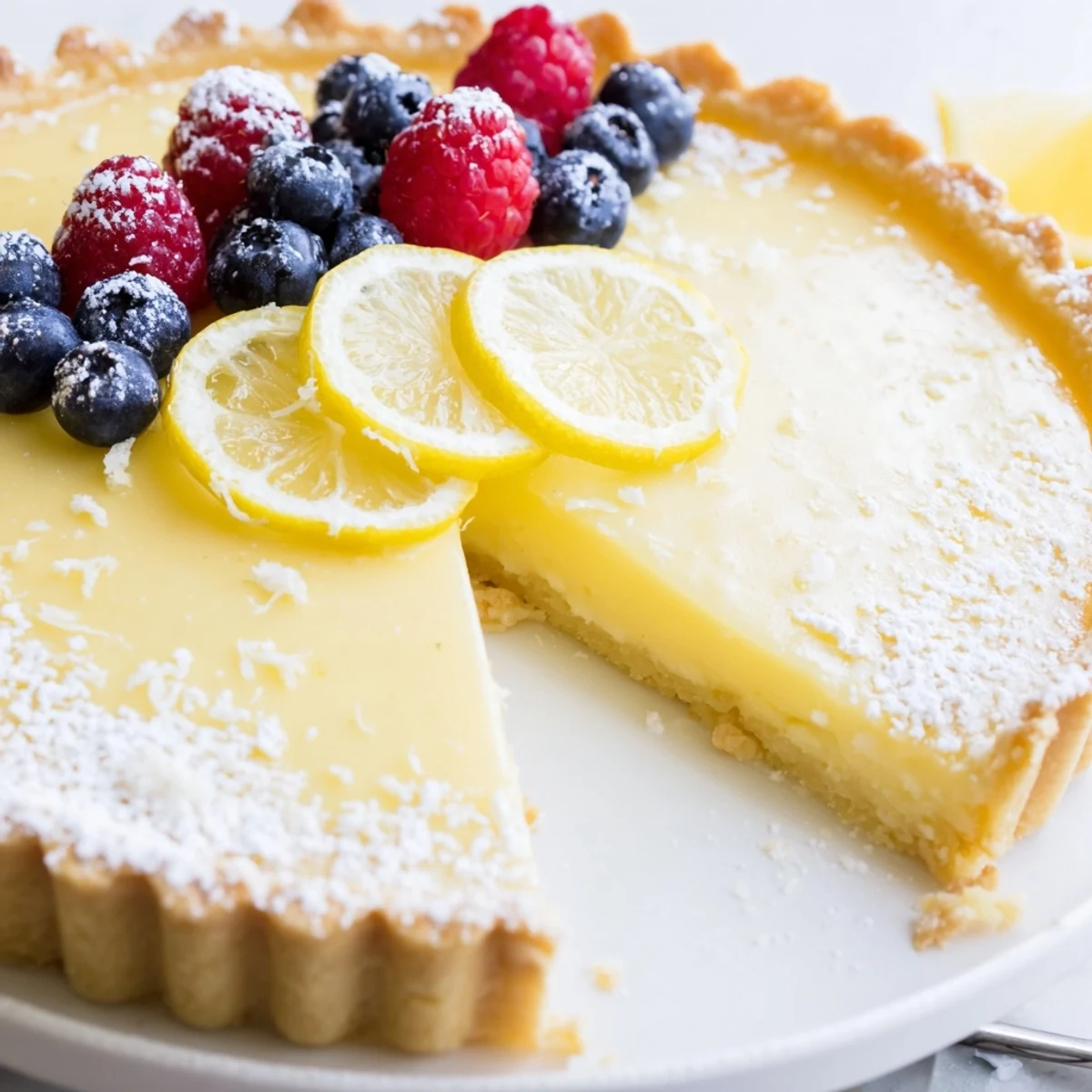
Save This silky lemon tart pairs a crisp, buttery crust with a smooth, tangy lemon custard. Blind-bake the shell until golden, whisk cream, sugar, eggs, zest and juice until glossy, then bake gently until edges set and center still slightly jiggly. Cool completely and chill to finish; dust with powdered sugar or top with berries for serving.
Sunlight poured across my kitchen table the first time I made this creamy lemon tart, washing everything in gold as I zested lemons on a lazy afternoon. There was something wonderfully hypnotic about the citrus aroma mixing with the buttery scent from the cooling tart shell. I didn’t set out to impress anyone that day — it was more about the small thrill of turning simple ingredients into something elegant. By the time I pulled the finished tart from the fridge, the air was fragrant and my mood had quietly lifted.
I remember serving this tart after a long dinner with friends, right when conversation had started to mellow. Someone reached for seconds even before their plate was finished, and we all laughed as we scraped the last delicate crumbles from the platter. That sleepy moment between laughter and dessert was just as sweet as the tart itself.
Ingredients
- All-purpose flour: I learned that measuring flour by weight (160 g) truly keeps the crust tender and never tough.
- Powdered sugar: This is essential for the crust’s melt-in-your-mouth texture — sifting out any lumps prevents a patchy dough.
- Salt: Just a pinch sharpens both the crust and the filling’s sweet-tart flavors.
- Unsalted butter, cold and cubed: Cold butter is key for those flaky layers; I chill mine right until ready, and cut with a pastry blender if I’m skipping the food processor.
- Large egg yolk: Gives richness and a golden color to the pastry; a trick I picked up from a French pastry class years ago.
- Cold water: I start with 2 tablespoons and add drops only as needed until the dough just comes together — resist overmixing.
- Heavy cream: The secret to the remarkably silky filling; using fresh cream brings out the tart’s richness.
- Granulated sugar: White sugar dissolves cleanly and allows the lemon to shine; I sometimes rub the zest into the sugar for even more flavor.
- Eggs and extra yolks: The combination of whole eggs and yolks is why the custard sets like velvet.
- Finely grated lemon zest: I love using a microplane for ultra-fine zest, which blends seamlessly into the filling.
- Fresh lemon juice: The brightness of fresh juice (never bottled) transforms the tart; roll the lemons first to extract every last drop.
- Pinch of salt: Adds depth, making the citrus pop.
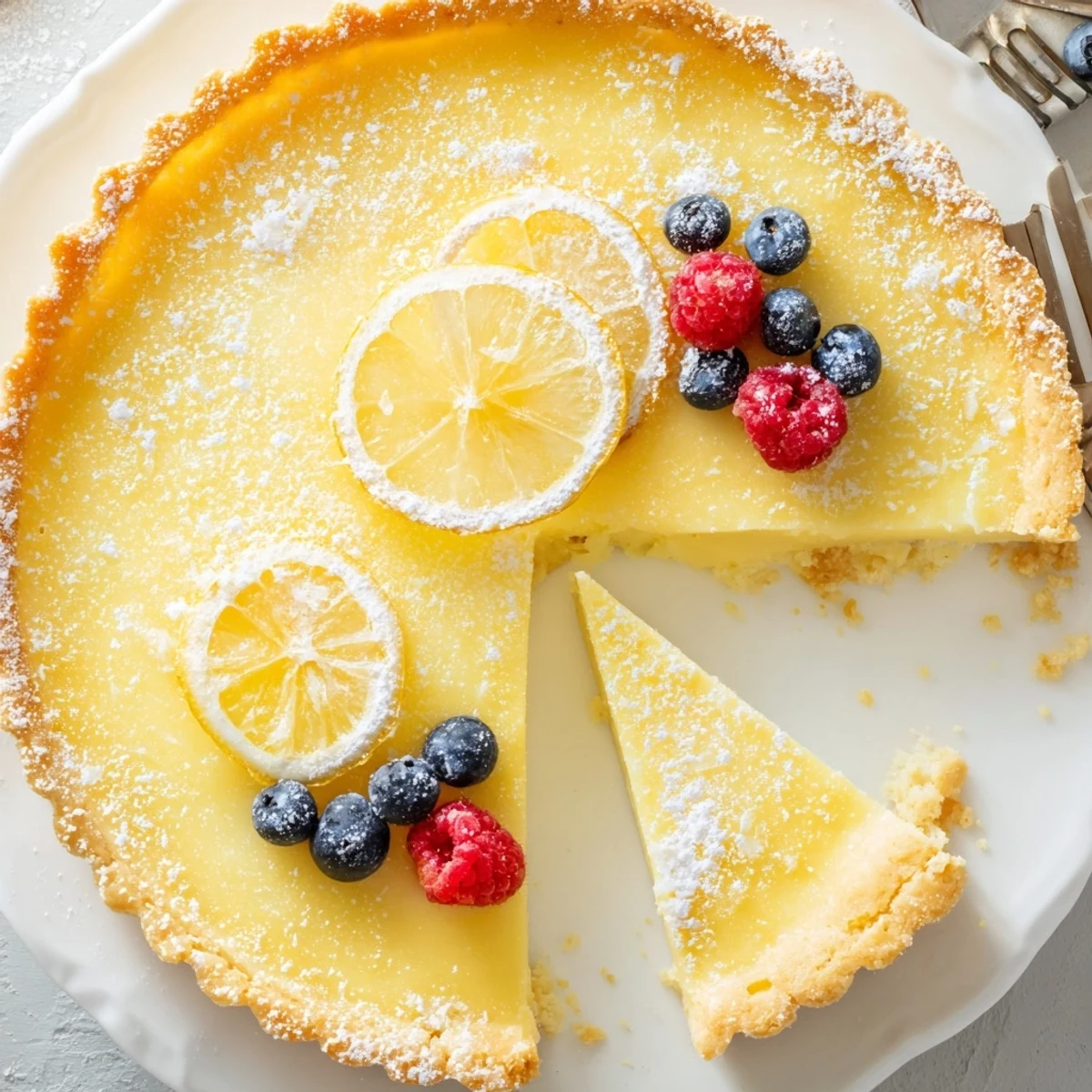
- Powdered sugar, fresh berries, or candied lemon (optional garnish): These add color and sweetness for finishing — the tart looks extra celebratory dressed up this way.
Instructions
- Get Your Oven Ready:
- Preheat the oven to 350°F (175°C) so it’s even and hot when your crust is ready for baking.
- Make the Crust:
- Pulse together the flour, powdered sugar, and salt in a food processor, then add cold, cubed butter; watch for a texture like coarse sand and enjoy the gentle whirring sound filling your kitchen.
- Form the Dough:
- Add the egg yolk and 2 tablespoons of cold water, pulsing just until the dough clumps together; add another splash of water if it’s still crumbly, but don’t overwork it.
- Chill Out:
- Turn the dough onto a floured surface, quickly form a rough disk, and wrap it tight before chilling it in the fridge for a half hour — this relaxes the gluten and makes rolling easier.
- Shape and Freeze:
- Roll the dough to 1/8-inch thickness, press it gently into a 9-inch tart pan, trim any overhang, prick the base with a fork, and slide it into the freezer for 10 minutes.
- Blind Bake:
- Line the crust with parchment and add pie weights or beans; bake for 15 minutes, then remove the weights and bake another 8–10 minutes until lightly golden and just fragrant.
- Cool and Set:
- Let the crust cool slightly while you prepare your luscious lemon filling.
- Mix Filling:
- Whisk heavy cream, sugar, eggs, yolks, lemon zest, lemon juice, and a pinch of salt in a bowl until completely smooth — listen for the gentle whisking sound as everything comes together.
- Fill and Bake Again:
- Pour the filling into your cooled crust, lower the oven temperature to 300°F (150°C), and bake for 20–25 minutes until the filling is set at the edges but still wobbles lightly in the center.
- Chill and Finish:
- Cool the tart completely, then refrigerate for at least an hour so the custard firms and slices cleanly.
- Dress It Up:
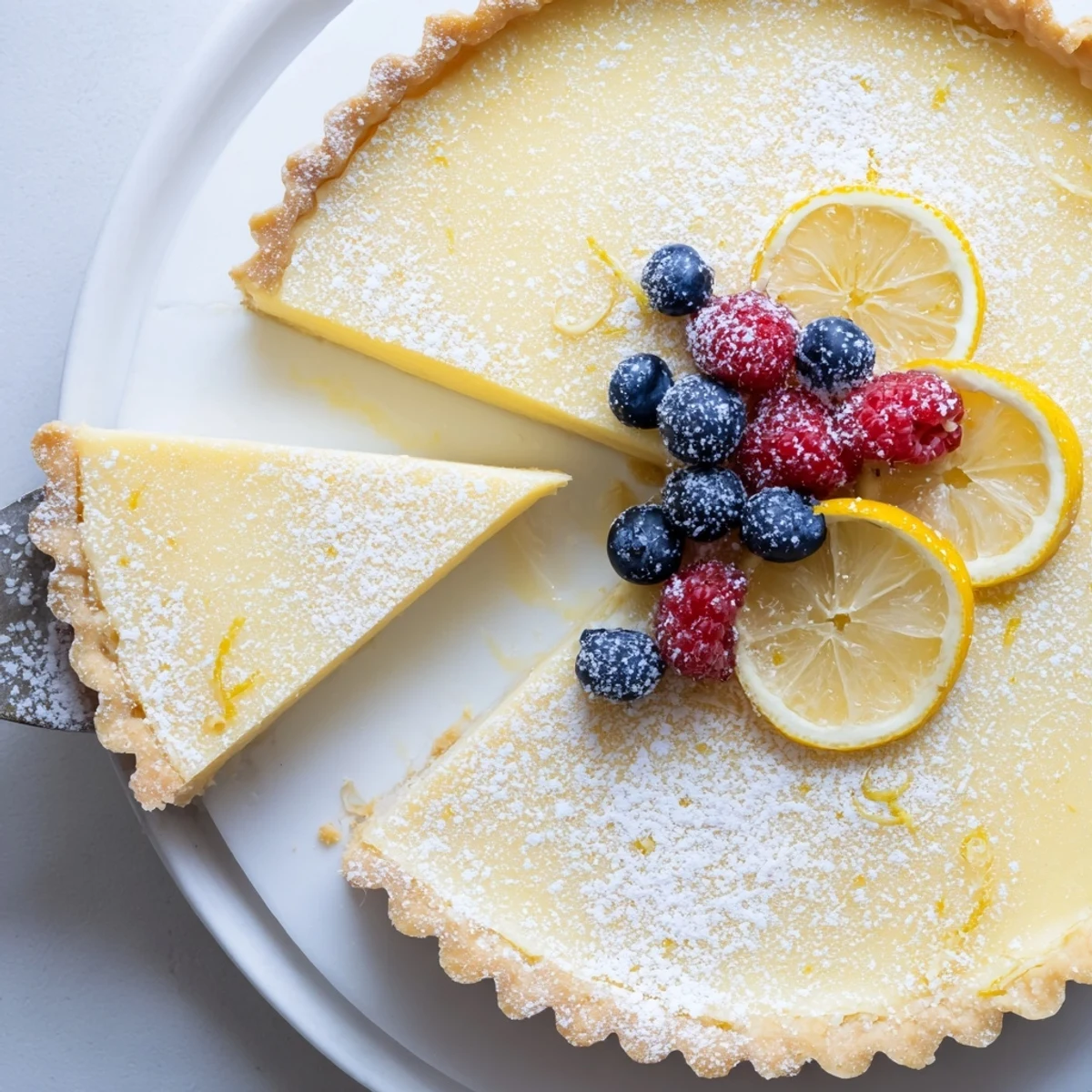
- Just before serving, dust with powdered sugar and scatter berries or candied lemon on top if you’re feeling festive.
 Save
Save There’s a photo on my phone of my nephew, nose dusted with powdered sugar, holding up a forkful of this tart and declaring it ‘the best yellow pie’. That tiny compliment is the reason this recipe has a permanent spot in my kitchen notebook.
Choosing the Best Lemons
Opting for unwaxed, organic lemons makes a startling difference — their peels burst with aroma and there’s no lingering bitterness on the zest. I always give each lemon a gentle roll on the countertop before juicing to coax out as much liquid as possible.
Making the Crust Extra Flaky
I’ve found that grating the cold butter straight into the flour (when I don’t want to fuss with the food processor) gives smaller flour-butter pockets for a delicate texture. Just work quickly to keep everything cold and never skip the resting time in the fridge.
Serving, Storing, and Little Extras
This tart cuts sharpest after a night in the fridge, and I love how flavors settle and intensify overnight. A zigzag of fresh whipped cream on top or a handful of raspberries turns it into something a little extra special.
- Don’t dust with powdered sugar until just before serving or it will melt.
- Leftovers keep beautifully for up to two days, covered and chilled.
- Be gentle when lifting slices from the pan to keep the crisp edges perfect.
 Save
Save Baking this tart always feels a little like bottling sunshine in a crust. I hope it finds its own special moment for you, just as it has in my kitchen.
Common Questions
- → How do I prevent a soggy crust?
-
Blind-bake the chilled crust with parchment and weights until golden, then bake briefly again after removing the weights. Freezing the pan for 10 minutes before baking helps maintain a crisp edge.
- → How can I tell when the filling is done?
-
The filling should be set at the edges and still slightly jiggly in the center; it will finish setting as it cools and chills. Avoid overbaking to keep a silky texture.
- → Can I swap ingredients for dietary needs?
-
For gluten-free, use a gluten-free flour blend for the crust. To reduce richness, substitute half-and-half or full-fat yogurt for some of the cream, but expect a subtle texture change.
- → Any tips to avoid curdling the filling?
-
Whisk ingredients until smooth and bake at a lower temperature (around 300°F / 150°C) to cook gently. Tempering eggs with a small amount of warm lemon mixture before combining can also help.
- → How long should it chill before serving?
-
Chill at least one hour to fully set the custard and firm the slice. Longer chilling improves slicing and texture; store covered in the refrigerator up to 3 days.
- → What garnishes pair well with this tart?
-
Light dustings of powdered sugar, fresh berries, candied lemon slices, or a few mint leaves highlight the tart's brightness without overpowering the creamy filling.