
 Save
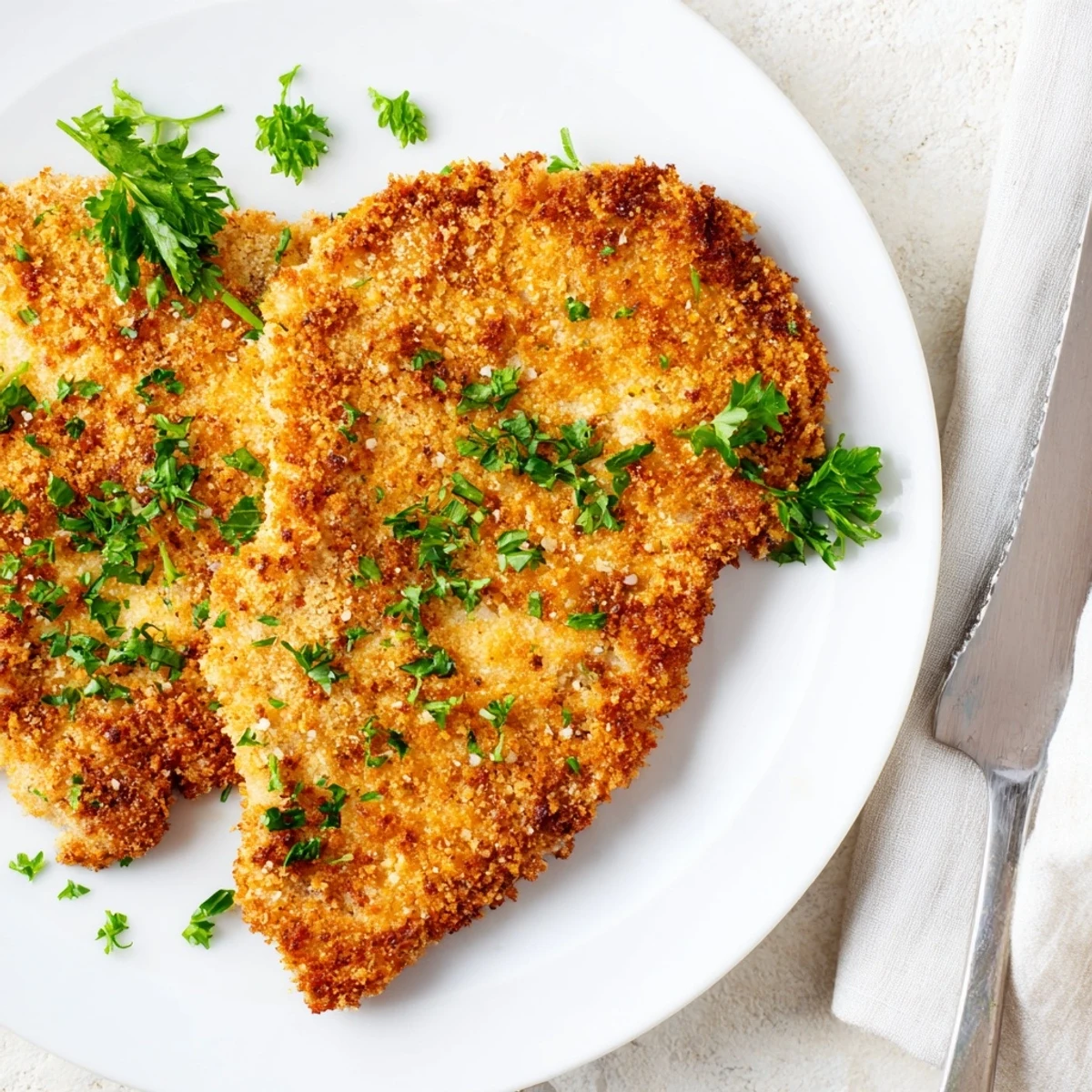
Save These golden, crumbed beef escalopes deliver restaurant-quality crunch with a classic Italian twist. Thinly pounded beef is coated in a three-step breading process: seasoned flour, creamy egg wash, and a crispy Parmesan-panko mixture that creates irresistible texture.
The secret lies in the panko breadcrumbs combined with aged Parmesan, which produces an extra-crunchy exterior while keeping the beef tender inside. Pan-fried in a blend of oil and butter, each cutlet achieves that perfect golden-brown color in just minutes.
Ideal for busy weeknights yet elegant enough for entertaining, these escalopes pair beautifully with a fresh arugula salad or roasted vegetables. The bright lemon wedges cut through the richness, creating a perfectly balanced dish that the whole family will love.
The smell of butter hitting hot oil still takes me back to my first tiny apartment kitchen, where I learned that simple ingredients could create something magical. I'd invited friends over for dinner and nervous energy had me double-coating every single piece of beef, which accidentally turned out to be the best mistake I ever made. That night taught me that Milanese isn't just about following steps—it's about the sizzle sound that makes everyone gravitate toward the stove.
Last winter my sister dropped by unexpectedly after a rough day at work, and I had nothing but beef in the fridge and aging cheese. We pounded the escalopes together while she vented, and something about the rhythmic thud of the meat mallet against the counter became strangely therapeutic. She said that dinner was exactly what she needed—simple food, no fuss, just crispy comfort on a plate.
Ingredients
- Beef escalopes: Pounding them thin not only tenderizes but ensures even cooking—aim for uniform thickness so they finish at the same time
- All-purpose flour: Season this generously since it's the first layer of flavor that actually sticks to the meat
- Eggs and milk: The milk creates a looser egg wash that coats more evenly than eggs alone
- Panko breadcrumbs: These Japanese-style crumbs create that distinctive airy crunch traditional breadcrumbs can't match
- Grated Parmesan: Freshly grated melts into the crust for pockets of salty umami throughout
- Vegetable oil and butter: Oil handles the high heat while butter adds that golden color and rich flavor
Instructions
- Pound the beef:
- Place escalopes between plastic wrap and use a meat mallet or rolling pin to pound them to about 0.5 cm thickness—work from the center outward for even thinning
- Set up your breading station:
- Arrange three shallow dishes in order: flour mixed with salt and pepper, egg whisked with milk, then panko combined with Parmesan
- Coat the escalopes:
- Dredge each piece in flour shaking off excess, dip in egg mixture letting excess drip off, then press firmly into breadcrumbs coating completely
- Heat the pan:
- Warm oil and butter in a large frying pan over medium-high heat until the butter foams and smells slightly nutty
- Fry to golden:
- Cook escalopes for 2 to 3 minutes per side until deep golden brown and crispy, working in batches so the pan isn't crowded
- Rest and serve:
- Drain on paper towels for a minute, then immediately serve with lemon wedges and scattered parsley while still piping hot
 Save
Save This recipe became my go-to for nights when nothing seems to go right but dinner still needs to happen. Something about the tactile process—dredging, dipping, pressing—and the immediate reward of that first crunch makes everything feel manageable again.
Making It Ahead
You can bread the escalopes up to 4 hours ahead and refrigerate them on a parchment-lined baking sheet. Let them come to room temperature for 20 minutes before frying, or they'll cook unevenly and lose that perfect crisp-to-tender ratio.
Side Dish Pairings
A sharp arugula salad dressed simply with lemon and olive acid cuts through the richness beautifully. Roasted vegetables like asparagus or broccolini work equally well—something fresh and bright to balance the fried indulgence.
Serving Suggestions
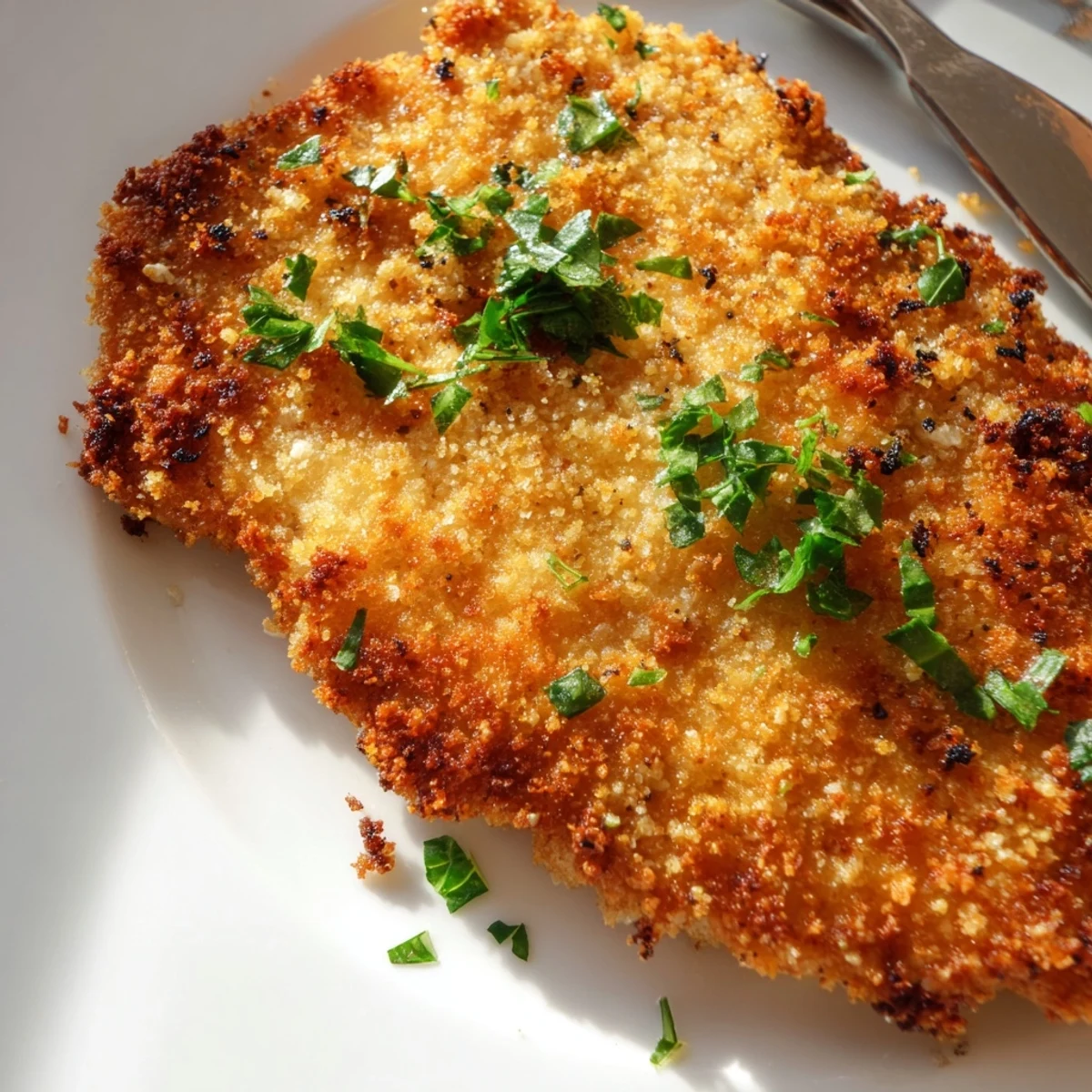
Squeeze the lemon wedge over the Milanese the moment it hits the plate—that first sizzle releases essential oils that wake up the entire dish. Serve family-style so everyone can grab while it's at peak crispiness.
- Keep fried pieces warm in a 200°F oven if cooking multiple batches
- Extra Parmesan at the table never hurts anyone
- A glass of cold white wine alongside makes any Tuesday feel like a celebration
 Save
Save There's something deeply satisfying about food that requires only patience and attention to detail rather than fancy techniques. This Milanese proves that comfort food can be elegant too.
Common Questions
- → What cut of beef works best for escalopes?
-
Choose lean, tender cuts like topside, sirloin, or round steak. The key is pounding them thin to about 0.5 cm thickness, which ensures quick, even cooking and tenderness. Ask your butcher to slice them thinly if possible.
- → Can I prepare these in advance?
-
You can bread the escalopes up to 4 hours ahead and refrigerate them on a parchment-lined tray. Keep them uncovered to maintain the coating's texture. Fry just before serving for optimal crispiness. Leftovers reheat well in a 200°C oven for 10 minutes.
- → Why mix panko with Parmesan?
-
Panko creates an exceptionally light, airy crunch compared to regular breadcrumbs. Adding grated Parmesan not only enhances flavor but also helps the coating adhere better while creating that beautiful golden color during frying.
- → What's the purpose of adding butter to the oil?
-
Butter adds rich flavor and helps achieve a deeper golden color, while oil has a higher smoke point preventing burning. The combination gives you the best of both—exceptional taste and reliable cooking performance.
- → How do I know when the escalopes are done?
-
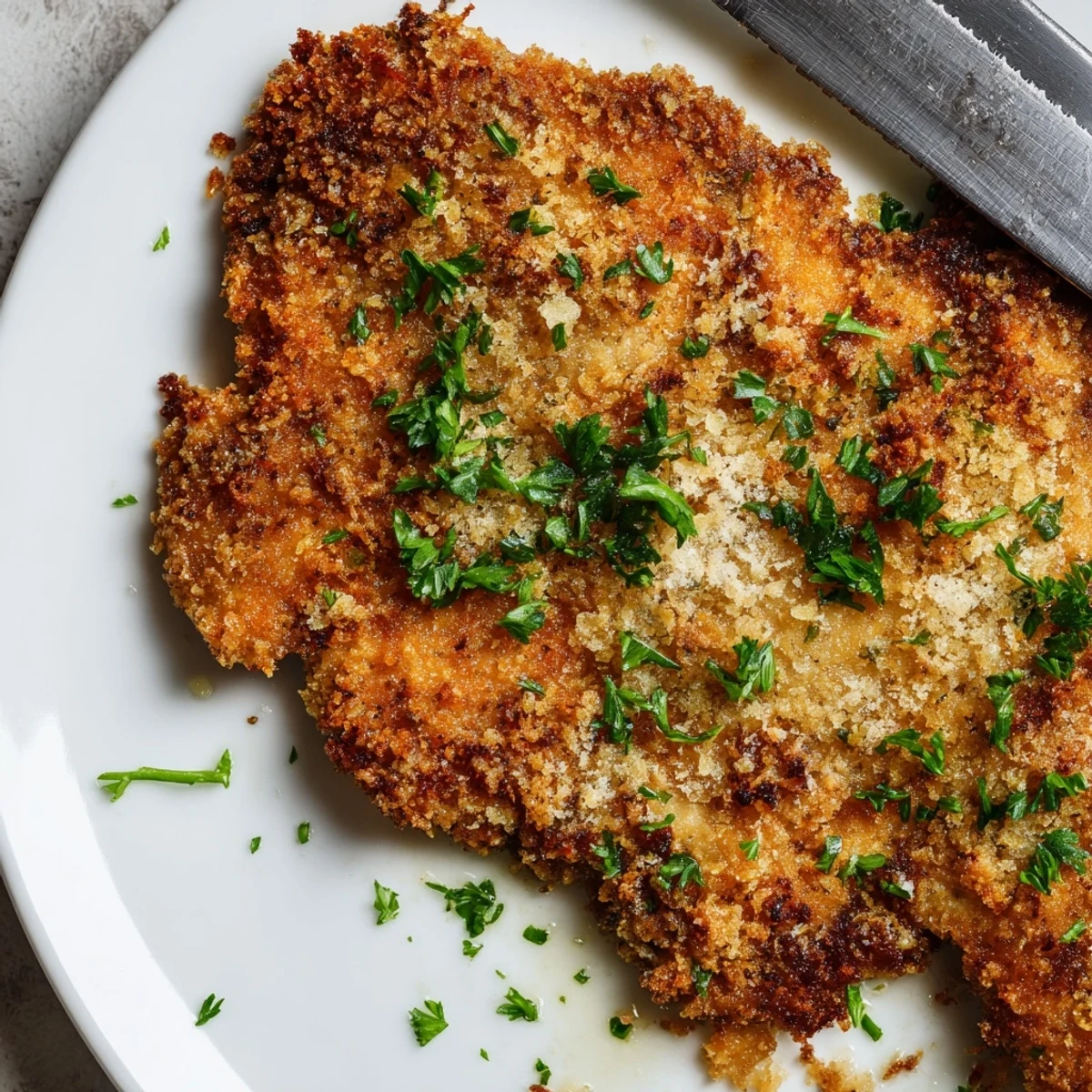
Look for an even golden-brown color on both sides, which takes 2-3 minutes per side. The beef should feel firm but slightly springy when pressed. Since they're thin, they cook quickly—overcooking will make them tough.
- → What can I serve with Milanese-style escalopes?
-
A crisp green salad with arugula and vinaigrette is traditional, but roasted vegetables, sautéed greens, or simple roasted potatoes work beautifully. The lemon wedges are essential—they brighten the rich flavors perfectly.