
 Save
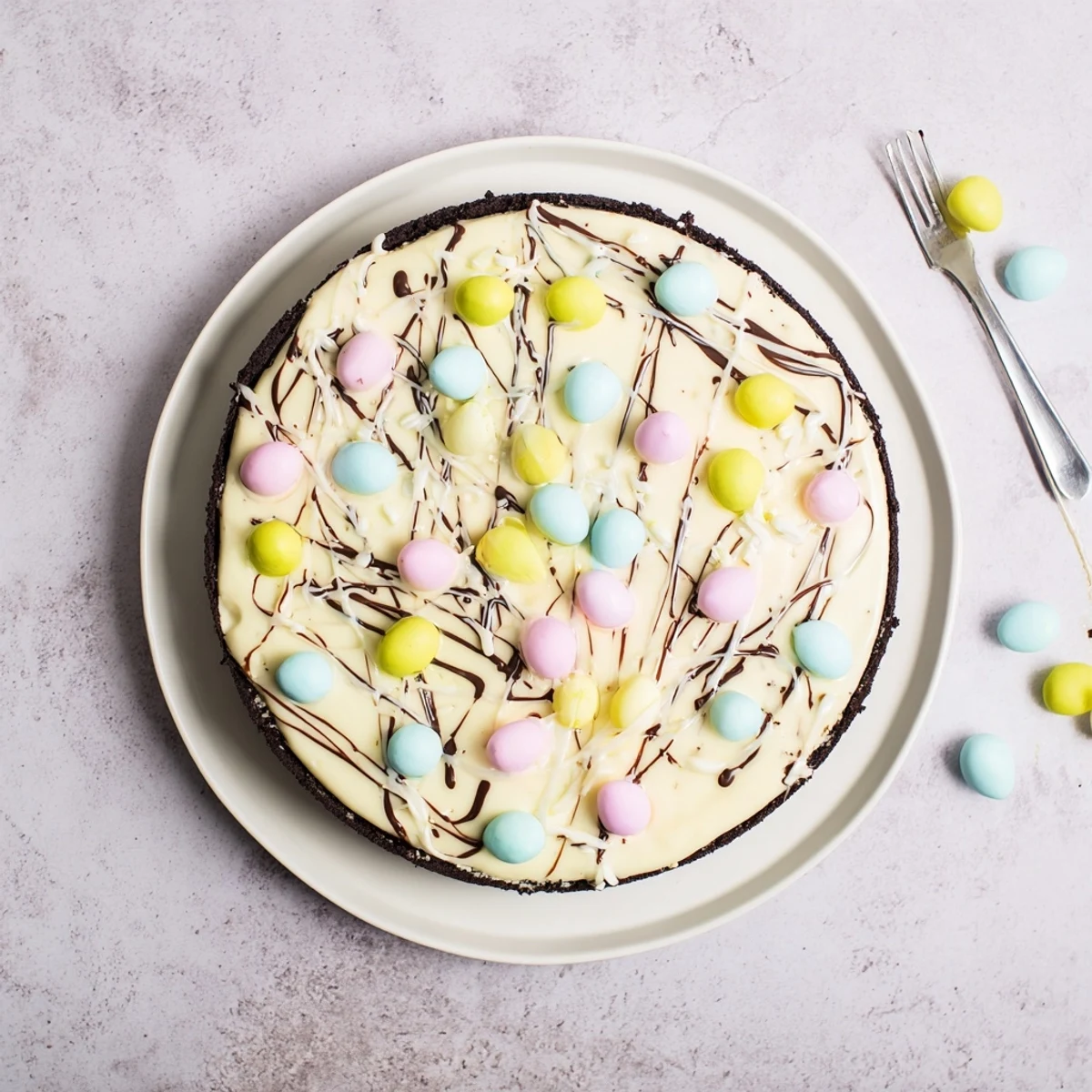
Save This luscious dessert combines a rich chocolate cookie base with an ultra-smooth cream cheese filling infused with vanilla and bright lemon zest. After baking to perfection, the cheesecake chills overnight to develop its signature velvety texture. Crowned with an array of colorful mini chocolate eggs and optional white chocolate drizzling, it creates a stunning centerpiece for any spring celebration.
The first time I brought this cheesecake to our family Easter gathering, my aunt actually gasped when I walked through the door. I'd spent the morning carefully arranging pastel mini eggs in perfect little clusters, and honestly, I felt ridiculous being so precious about dessert. But watching everyone's faces light up when I sliced into that creamy chocolate-crusted creation made every minute worth it. Now it's not officially Easter at our house until this towering beauty makes its appearance.
Last spring, I made three of these cheesecakes in one week because everyone kept requesting them for different occasions. My daughter helped arrange the eggs on top, creating these little Easter egg nests that were almost too cute to cut into. There's something magical about a dessert that brings everyone to the kitchen, hovering and asking when they can finally have a slice. The best part was watching my usually dessert-averse uncle go back for seconds.
Ingredients
- 200 g chocolate sandwich cookies, crushed: The darker and more chocolatey, the better. I've learned that scraping out the filling first actually makes for a crispier crust that holds up beautifully.
- 75 g unsalted butter, melted: Pour this slowly while pulsing the cookies in your food processor. You want the mixture to hold together when squeezed but not feel greasy.
- 600 g full-fat cream cheese, room temperature: This is non-negotiable. Cold cream cheese creates lumps that no amount of beating can fix. I leave mine out overnight.
- 150 g granulated sugar: The sugar balances the tang without making it cloyingly sweet. Don't be tempted to reduce this—it stabilizes the filling too.
- 2 tbsp cornstarch: My secret weapon against cracks. This tiny amount makes the cheesecake more forgiving and gives it a velvety, almost mousse-like texture.
- 200 ml sour cream, room temperature: Adds a subtle tang that cuts through the richness. Full-fat is best here—the texture difference is noticeable.
- 3 large eggs, room temperature: Add these one at a time and beat only until just incorporated. Overbeating introduces air bubbles that cause cracking.
- 1 tsp pure vanilla extract: Use the good stuff here. It permeates every bite and makes the chocolate crust sing.
- Zest of 1 lemon: This brightens the entire cheesecake and makes all that creaminess feel lighter. Zest directly over the bowl to catch all those fragrant oils.
- 100 g mini chocolate Easter eggs: Go for variety—pastels, speckled, maybe some white chocolate ones. They're the crown jewel here.
- 50 g white chocolate, melted: Optional, but that snowy drizzle over the colorful eggs makes it look like something from a bakery window.
Instructions
- Prepare the crust:
- Press those buttery crumbs into your springform pan with the back of a measuring cup. Get it tight and even, paying special attention to the corners where leaks love to happen. Chill it while you make the filling—a cold crust helps prevent soggy bottoms.
- Build the creamy base:
- Beat that softened cream cheese and sugar until you can't see any granules anymore. It should look like satin, with a slight sheen that tells you the sugar has dissolved properly. Scrape the bowl down—you want no hidden pockets of unmixed cream cheese.
- Add the tang and richness:
- Blend in your cornstarch first, then that room-temperature sour cream. Now crack in those eggs one by one, giving the mixer just a quick burst after each addition. We're looking for combined, not aerated—overbeating now means a cracked cheesecake later.
- Fold in the magic:
- Gently fold in your vanilla and that bright lemon zest by hand. Take a moment to really inhale that fragrant citrus scent—it's the promise of something wonderful coming. Pour over your chilled crust and smooth the top with an offset spatula.
- The slow bake:
- Bake until the edges are set and lightly golden but the center still wobbles like custard when you give the pan a gentle shake. That wobble is your friend—it means the cheesecake will set up perfectly as it cools, staying creamy instead of dry and crumbly.
- The cool-down patience:
- Turn off the oven, crack that door open with a wooden spoon, and let the cheesecake cool gradually for an hour. This gentle cooling prevents the dreaded sudden collapse that can create deep cracks in the center. Then let it cool completely at room temperature before the fridge.
- The waiting game:
- Chill for at least four hours, but overnight is better. This resting period lets all the flavors meld and the texture set into that velvety smoothness that makes cheesecake so irresistible. The hardest part is not opening the fridge every hour to check on it.
- The grand finale:
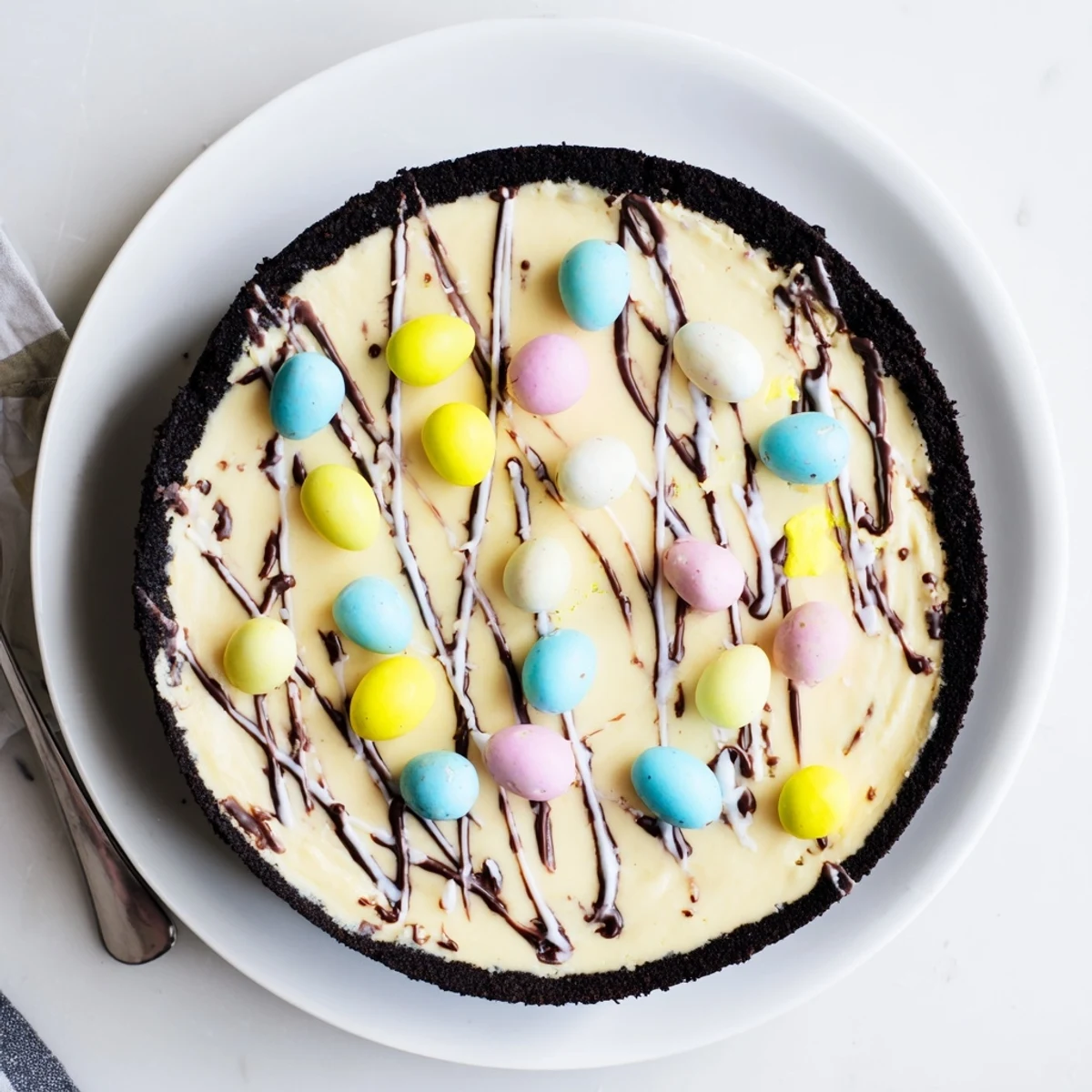
- Arrange your colorful Easter eggs in clusters or a pattern that makes you happy. Drizzle with melted white chocolate if you're feeling fancy. Unlock that springform and watch everyone's faces when you reveal your masterpiece.
 Save
Save There's a photo somewhere of my daughter standing on a chair, tongue sticking out in concentration, carefully placing each Easter egg just so. She was so proud of that cheesecake, beaming when we served it after Easter dinner. Now every year she asks when we're making 'her' cheesecake, and I realize these recipes become memories that shape our family traditions. It's not just dessert anymore—it's the thing we do together, the thing that marks the season.
Making It Your Own
I've experimented with different crusts over the years—graham crackers work beautifully if you prefer a lighter, more classic base. One year I used chocolate graham crackers and added a tablespoon of cocoa powder to the filling for double chocolate. Both versions disappeared just as quickly, so don't be afraid to play around. The orange zest variation mentioned in the notes is fantastic, especially if you're serving it after a rich meal when that citrus brightness really shines.
The Art of Patience
What I love most about this recipe is how it teaches you to slow down. There's no rushing cheesecake—each step needs its moment, and rushing any part shows in the final result. I've made this tired, in a hurry, cutting corners, and it was fine. But the times I've given it my full attention, following each step with care, those cheesecakes were transcendent. The texture was silkier, the flavors more pronounced, the whole experience more satisfying.
Storage and Serving
This cheesecake actually gets better after a day or two in the fridge, as if all the flavors need time to really get to know each other. I make it the day before Easter now, which frees up oven space and leaves me calmer on the big day. When you're ready to serve, let it sit at room temperature for about 20 minutes—cold cheesecake is delicious, but room-temperature cheesecake is revelatory.
- Use a hot knife, wiped clean between slices, for those picture-perfect restaurant-style wedges
- Leftovers freeze beautifully for up to a month, assuming you have any left
- If you're transporting this, wait until you arrive before adding the Easter eggs to prevent them from sliding around
 Save
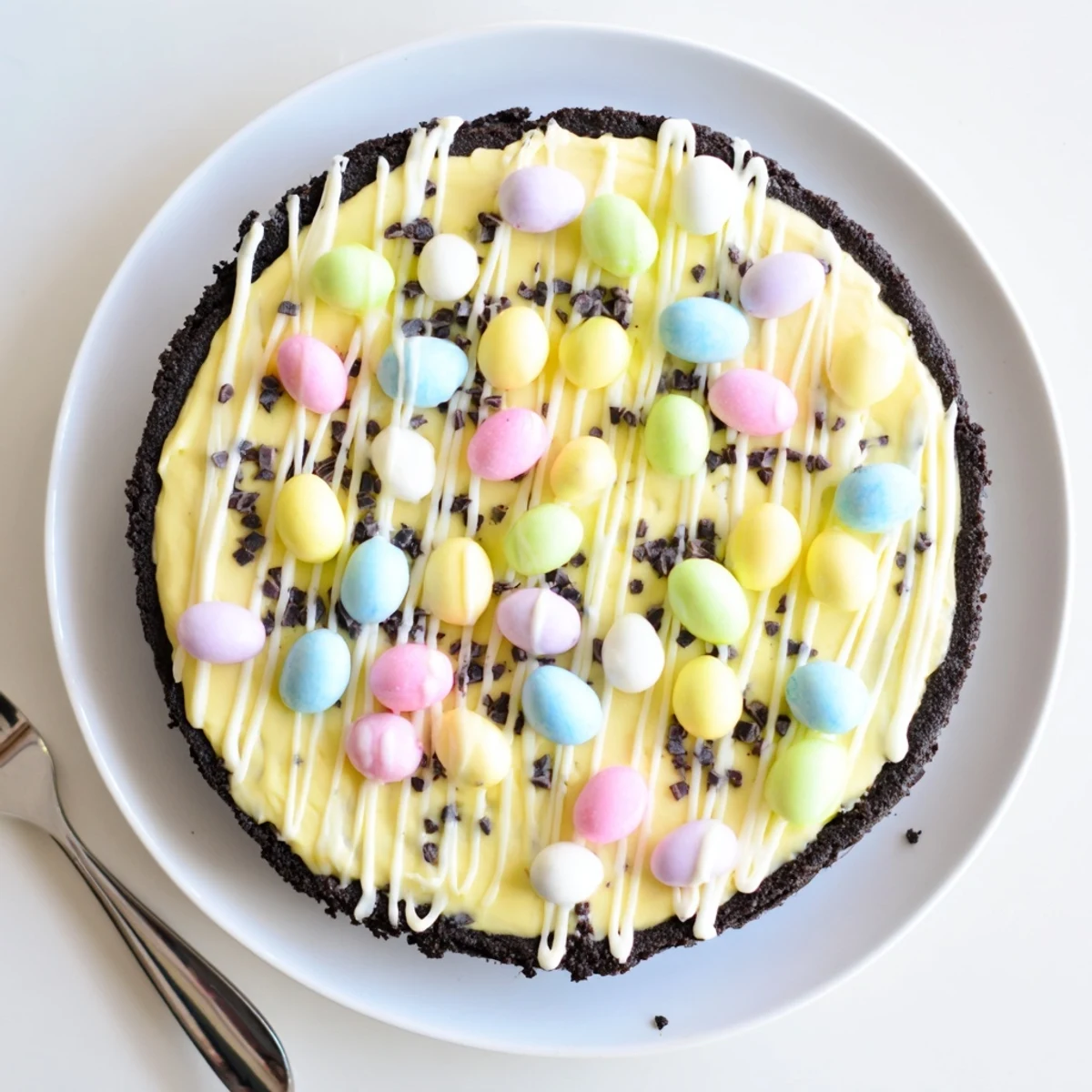
Save However you make it, whoever you share it with, this cheesecake has a way of making any spring celebration feel special and complete. Happy baking, and happy Easter.
Common Questions
- → How long should I chill the cheesecake before serving?
-
Refrigerate for at least 4 hours, though overnight chilling produces the best texture and flavor. This allows the filling to set completely and makes slicing easier.
- → Can I make this cheesecake ahead of time?
-
Absolutely! You can prepare it up to 2 days in advance. Store covered in the refrigerator and add the chocolate egg decorations shortly before serving for the freshest appearance.
- → Why does my cheesecake crack on top?
-
Cracking usually occurs from overmixing or rapid temperature changes. Avoid overbeating the eggs and let the cheesecake cool gradually in the oven with the door cracked open.
- → Can I use regular eggs instead of chocolate Easter eggs?
-
Yes! You can top with whipped cream, fresh berries, chocolate shavings, or even candy-coated chocolate eggs for similar festive flair without the seasonal theme.
- → What's the best way to get clean slices?
-
Run a sharp knife under hot water, wipe dry, then slice. Wipe the knife clean between each cut for perfect, restaurant-style portions.