
 Save
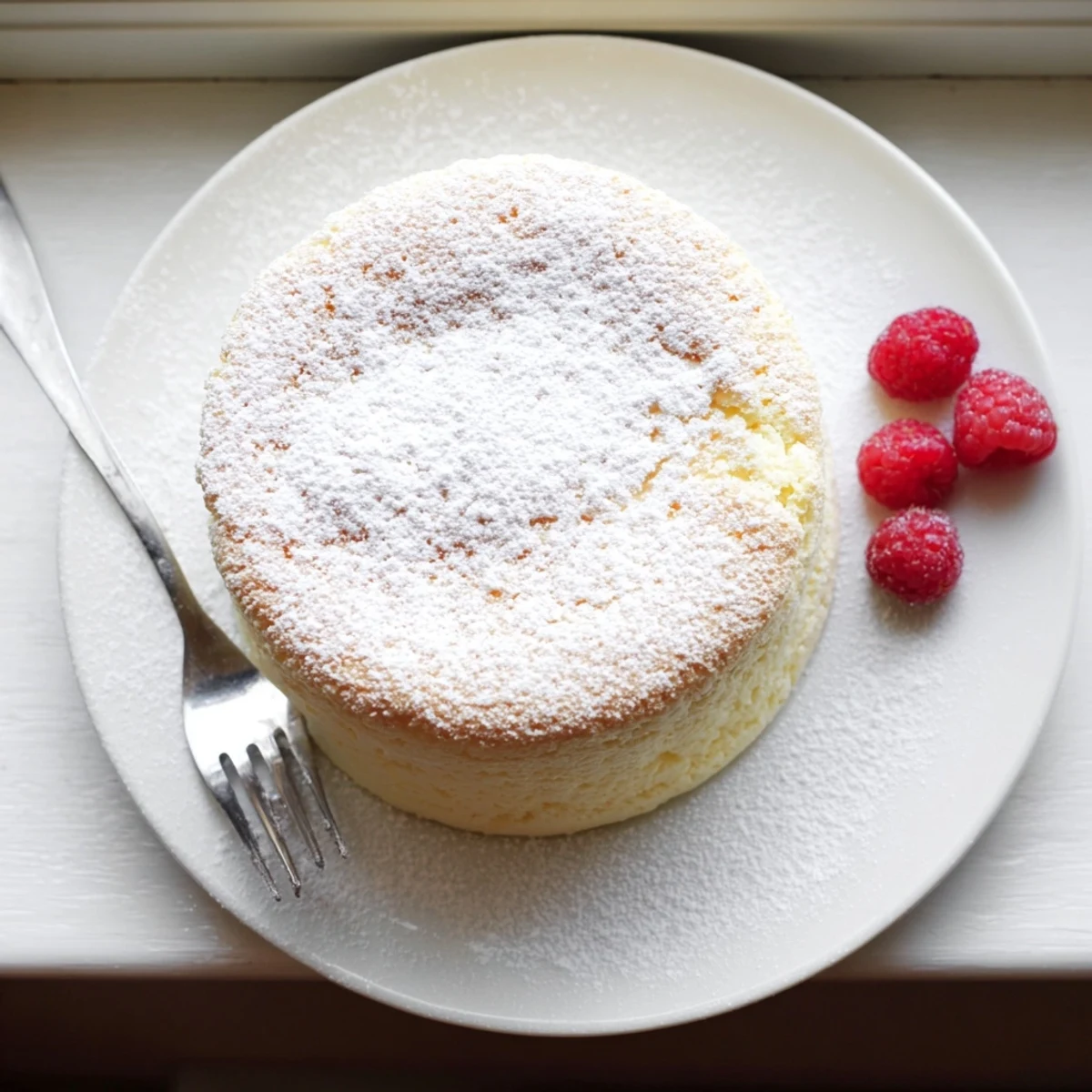
Save Create a stunning fluffy Japanese cheesecake that delivers an incredibly light, soufflé-like experience. This beloved dessert combines cream cheese, butter, and milk with perfectly whipped egg whites to achieve that signature cloud-like texture. The water bath technique ensures even baking and prevents cracking, while the gradual folding method maintains the airy structure. After chilling, you'll be rewarded with slice after slice of delicate, less-sweet perfection that truly melts on the tongue.
The first time I saw a Japanese cheesecake jiggling on a plate, I thought someone was playing a trick on me. This cloudlike confection defies everything Western cheesecakes taught us about dense, rich desserts. After my third attempt at getting that signature wobble right, I finally understood what all the fuss was about.
I made this for my sisters birthday last spring, and she actually gasped when I brought it to the table. The way it quivered with every movement of the platter had everyone at the table mesmerized before anyone even took a bite. Now she requests it for every celebration.
Ingredients
- Cream cheese: Room temperature is non-negotiable here—cold cream cheese creates lumps that ruin the silky texture
- Unsalted butter: Lets you control the salt level precisely, and room temp butter incorporates seamlessly
- Whole milk: The fat content matters for richness, so skip the skim or plant-based alternatives
- Cake flour: Lower protein than all-purpose keeps the crumb tender and delicate
- Cornstarch: Works with cake flour to create that signature pillow-soft structure
- Granulated sugar: Dividing it helps stabilize the egg whites while sweetening the batter
- Salt: Just a pinch rounds out the flavors and balances the sweetness
- Egg whites: The volume from these six eggs is what gives the cake its spectacular rise
- Egg yolks: These provide richness and help emulsify the batter perfectly
- Lemon juice: Cuts through the richness and brightens the whole experience
- Vanilla extract: Pure extract makes a difference you can taste
- Lemon zest: Optional but adds a lovely aromatic layer that complements the subtle sweetness
Instructions
- Prepare your vessel:
- Line an 8-inch round cake pan completely with parchment and wrap the exterior in foil like a present
- Melt together the base:
- Set cream cheese, butter, and milk over simmering water, stirring until you have a velvety smooth mixture
- Combine dry goods:
- Sift flour, cornstarch, and salt into the warm cheese mixture and whisk until no streaks remain
- Enrich the batter:
- Whisk in yolks, lemon juice, vanilla, and zest until completely smooth
- Work the whites:
- Beat egg whites until foamy, then rain in 70g sugar gradually until glossy peaks stand tall
- Merge the mixtures:
- Fold one-third of meringue into the batter to lighten it, then gently incorporate the rest in two batches
- Settle the batter:
- Pour into your prepared pan and tap against the counter to release trapped air bubbles
- Create the bath:
- Place the cake pan in a roasting pan and pour hot water halfway up the sides
- Bake to golden:
- Cook for 60 to 70 minutes until set and golden, with a clean skewer test
- Prevent cracks:
- Turn off the oven and let the cake rest inside with the door cracked open
- Chill completely:
- Cool in the pan, then refrigerate for at least 2 hours before unmolding and serving
 Save
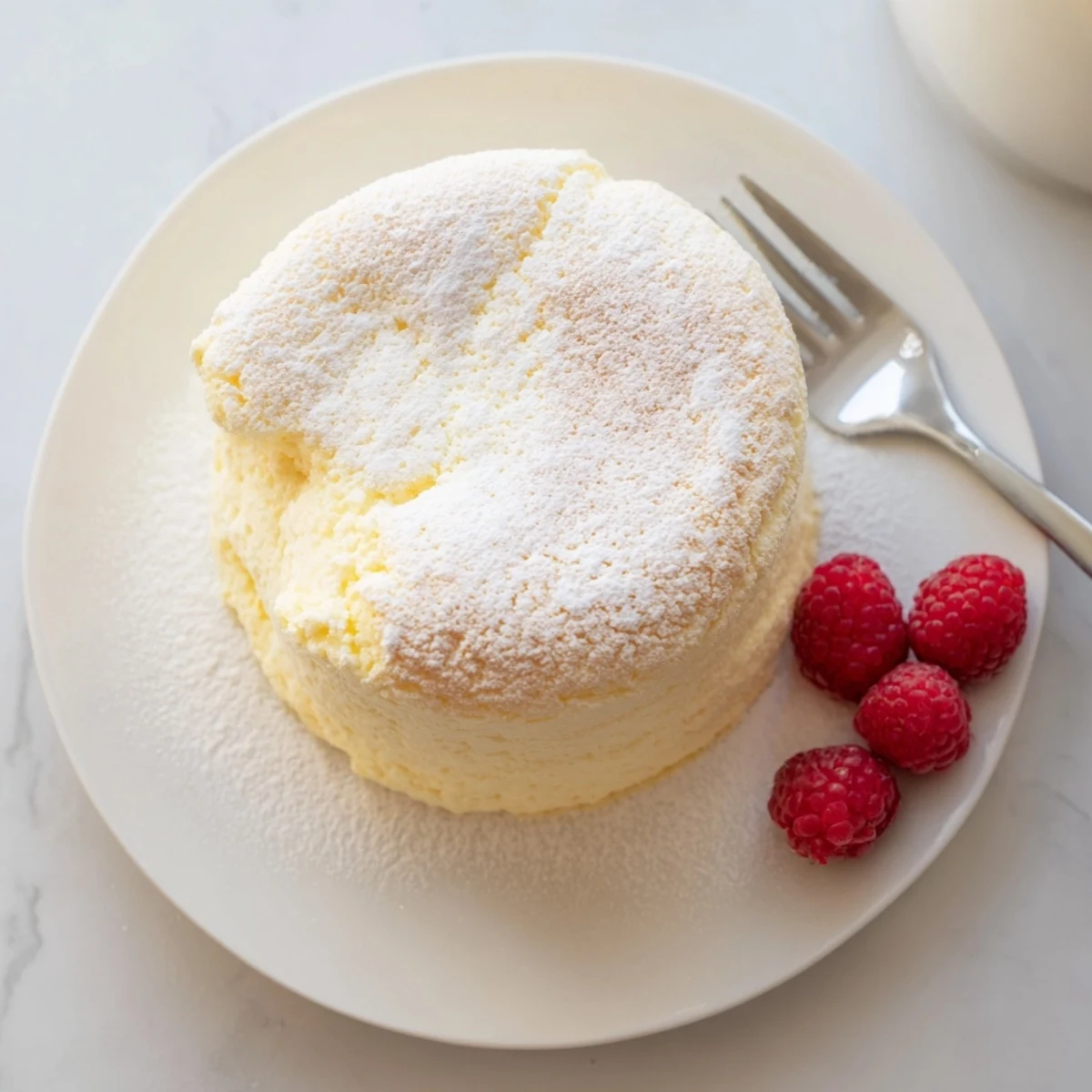
Save My grandmother tried this recipe and immediately declared it the most elegant dessert shed ever tasted. She kept touching the top, amazed that something so tall could be so ethereal. Now whenever I visit, she has all the ingredients lined up on the counter.
The Art of The Water Bath
The water bath might seem fussy, but its what separates a perfect cheesecake from a cracked disaster. The gentle steam creates a humid environment that lets the cake cook evenly without developing a tough exterior. I learned this lesson after three cracked cakes taught me that shortcuts dont work here.
Mastering The Meringue
Getting those egg whites to the right consistency took me longer to master than Id like to admit. You want peaks that stand proud but still look glossy and smooth, not dry or grainy. The sugar needs to be added gradually so it has time to dissolve completely into the foam.
Serving Suggestions
This cake deserves to be the star of whatever gathering youre hosting. A simple dusting of powdered sugar makes it look professionally finished. Fresh berries add color and a tart contrast that wakes up the palate.
- Let it come to room temperature for 20 minutes before serving
- Use a serrated knife with a clean wipe between slices
- Store leftovers covered in the refrigerator for up to 3 days
 Save
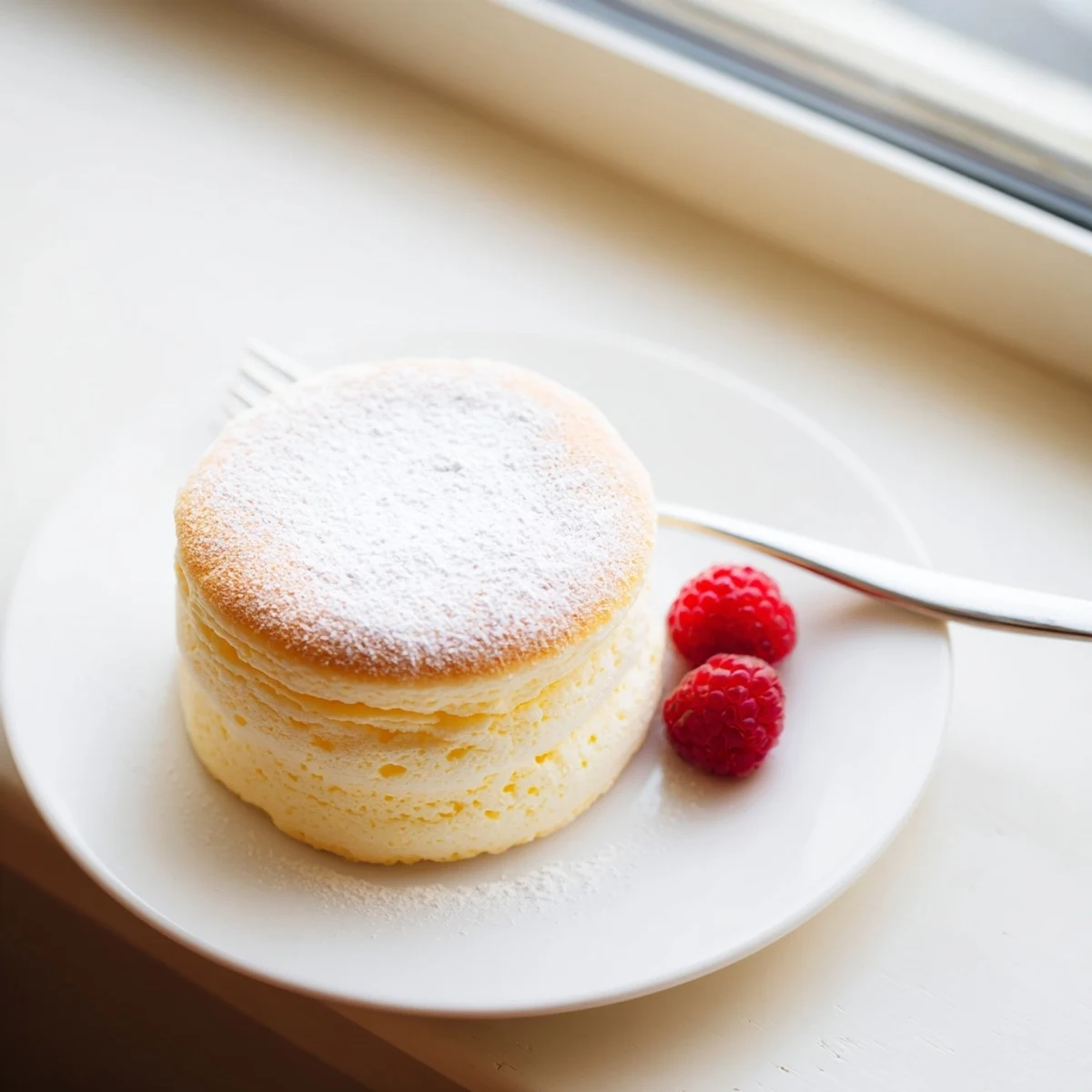
Save Every time I pull a perfectly risen Japanese cheesecake from the oven, I still get that little thrill of accomplishment. Theres something magical about transforming such simple ingredients into something so extraordinary.
Common Questions
- → What makes Japanese cheesecake fluffy?
-
The fluffiness comes from whipped egg whites folded into the batter, creating a soufflé-like texture. The water bath baking method and gentle folding technique help maintain the airy structure.
- → Can I substitute cake flour with all-purpose flour?
-
No, cake flour is essential for the light, delicate texture. All-purpose flour will make the result denser and less fluffy. If unavailable, you can make cake flour by measuring all-purpose flour and removing 2 tablespoons per cup, then adding 2 tablespoons cornstarch.
- → Why does my cheesecake crack?
-
Cracking typically occurs from overbaking, rapid temperature changes, or opening the oven door too early. Using a water bath and letting the dessert cool gradually in the oven with the door ajar helps prevent cracks.
- → How long should I chill before serving?
-
Refrigerate for at least 2 hours, but overnight chilling yields the best texture and flavor. This allows the structure to set completely and makes slicing easier.
- → Can I make this ahead of time?
-
Yes, it actually improves after chilling overnight. Store in an airtight container in the refrigerator for up to 3 days. Bring to room temperature for 15-20 minutes before serving for the best texture.
- → Why is my cheesecake not rising?
-
This usually means the egg whites were underwhipped or overfolded. Ensure stiff glossy peaks form before folding, and use a gentle touch when incorporating the meringue to preserve the air bubbles.