
 Save
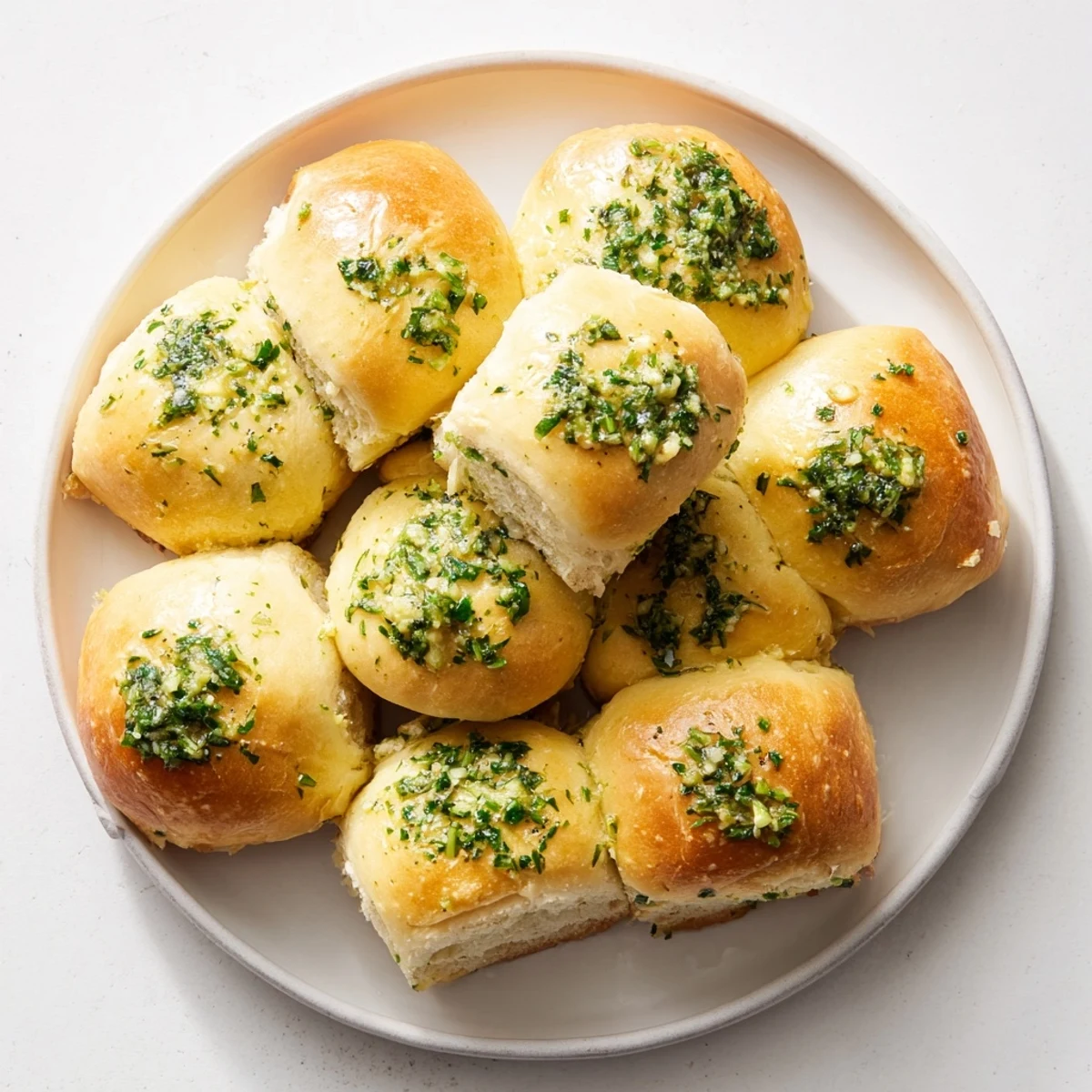
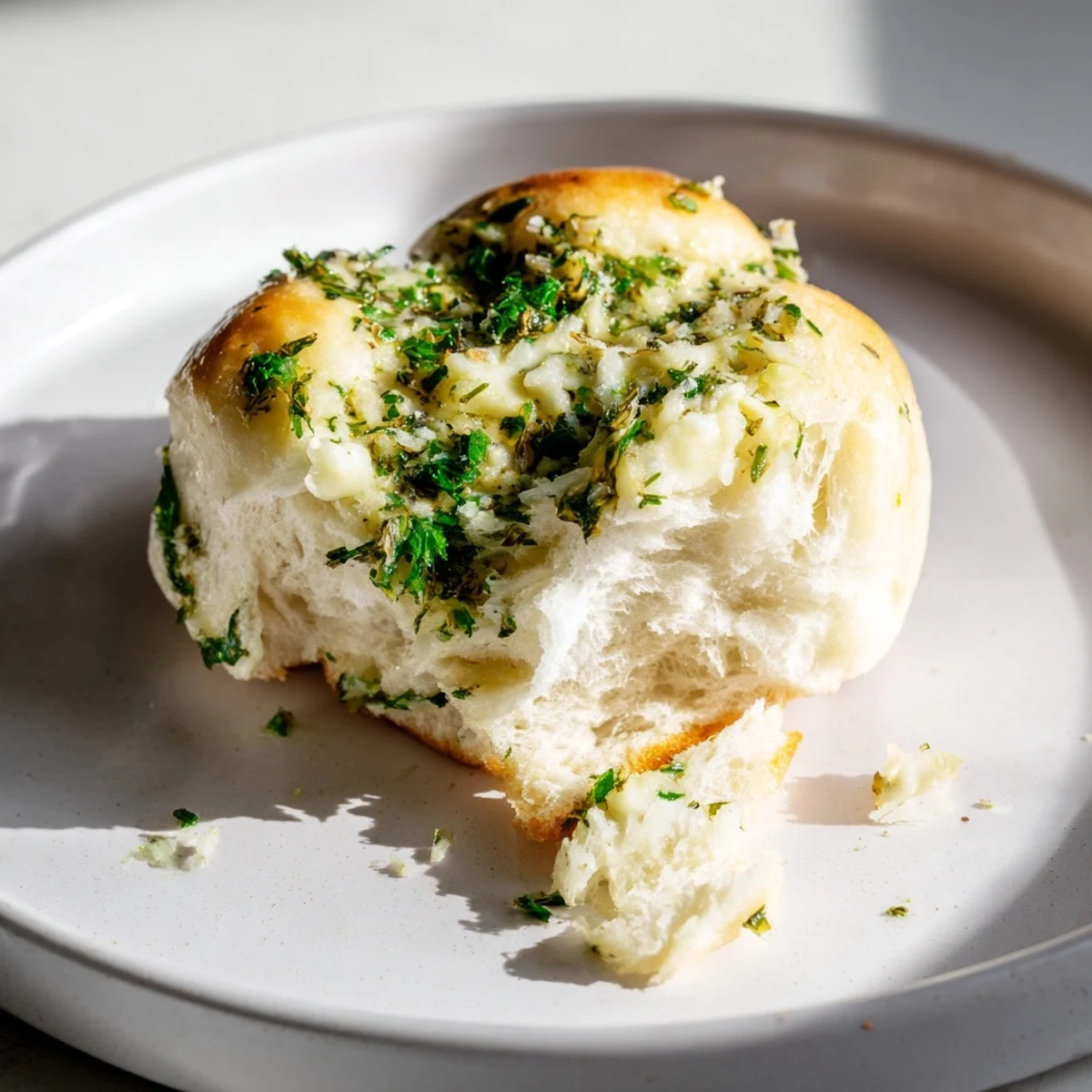
Save These soft, fluffy dinner rolls are brushed with a fragrant blend of garlic herb butter, combining the richness of melted butter with fresh parsley and chives. The dough is made with warm milk, active dry yeast, and all-purpose flour, kneaded until smooth and allowed to rise twice for a light texture. Baked until golden, these rolls offer a perfect balance of buttery aroma and tender crumb, ideal to enhance any meal experience.
There's something almost magical about the moment when you pull a tray of warm garlic herb butter rolls from the oven. I remember the first time I made these—my kitchen was filled with that golden, yeasty aroma that somehow makes everyone appear in the doorway asking if dinner's ready. It was a chilly Sunday evening, and I wanted something that felt homemade and generous. These rolls became that dish for me: approachable enough for a weeknight, impressive enough for a holiday table, and utterly impossible to stop eating warm from the pan.
I'll never forget when my partner's parents came over unexpectedly, and I had just proofed this dough. I shaped the rolls quickly, gave them their second rise, and somehow pulled off dinner rolls that looked like I'd been planning this all day. The look on their faces when they tasted that butter pooling into the soft crumb taught me that the best meals aren't always the complicated ones.
Ingredients
- All-purpose flour (3 1/4 cups): This is your foundation—it gives the rolls structure while staying tender. I learned to measure by spooning into the cup rather than scooping, which prevents packing and keeps things light.
- Active dry yeast (2 1/4 tsp): One packet, the magic ingredient that makes these rise into clouds. Make sure yours isn't expired; old yeast won't give you that dramatic rise.
- Granulated sugar (2 tbsp): Just a touch to feed the yeast and add subtle sweetness that balances the savory garlic butter.
- Unsalted butter (4 tbsp melted, plus 4 tbsp for the herb butter): The richness that makes these rolls worth making. I always use real butter—it's worth it.
- Warm milk (1 cup at 110°F): This is your yeast's happy place temperature. Too hot kills it, too cold and it sulks. A kitchen thermometer changed my baking life.
- Large egg (room temperature): Adds richness and helps bind everything together into a silky dough.
- Salt (1 tsp in dough, 1/2 tsp in butter): Don't skip this—it strengthens the gluten and makes everything taste more like itself.
- Fresh garlic (2 cloves, minced): This is where the magic happens. Fresh garlic is non-negotiable—minced fine so it releases all its fragrance into the melted butter.
- Fresh parsley and chives (2 tbsp and 1 tbsp): These green flecks in the butter are what make people ask for your recipe. Fresh herbs are worth seeking out.
Instructions
- Wake up the yeast:
- Pour your warm milk into a large bowl and sprinkle the yeast over it with the sugar. Let it sit for about 5 to 10 minutes—you're waiting for it to get foamy on top, which means the yeast is alive and ready to work. If nothing happens, your yeast is sleeping; start over with fresh packets.
- Build the dough:
- Stir the melted butter, egg, and salt into your foamy mixture. It should smell warm and inviting. Now comes the gradual part: add your flour one cup at a time, stirring between each addition. The dough will start as shaggy and rough, but keep going. By the end, you should have something that holds together.
- Knead it to silky life:
- Turn this dough onto a floured surface and knead for 6 to 8 minutes. Your hands will feel the transformation—it starts sticky and a bit stubborn, then gradually becomes smooth and elastic. This is where the gluten develops, making your rolls tender but structured.
- First rise to abundance:
- Place your dough in a greased bowl, cover it with a clean towel, and tuck it somewhere warm. A turned-off oven with the light on works beautifully. Let it rise for about an hour until it's roughly doubled. You'll know it's ready when you poke it gently and the indent slowly springs back.
- Shape with intention:
- Punch down the dough—this is oddly satisfying—and divide it into 12 equal pieces. Rolling each into a tight ball and arranging them in your baking dish is meditative. They'll be snug but not touching.
- Second rise to puffiness:
- Cover the rolls again and let them rise for 30 to 40 minutes. They'll get puffy and soft, almost ready to bake. This is when your kitchen starts smelling like bread.
- Golden baking:
- Preheat your oven to 375°F. Bake for 18 to 20 minutes until they're golden brown on top. The bottoms should be light golden too. You'll know they're done when they feel hollow if you tap them lightly.
- Make the magic butter:
- While the rolls bake, melt 4 tablespoons of fresh butter in a saucepan over medium heat. Add your minced garlic and cook for just about a minute—you want it fragrant but not browned. The kitchen smells unreal now. Remove from heat and stir in the fresh parsley, chives, and salt.
- Final flourish:
- Pull the hot rolls from the oven and brush them generously with that garlic herb butter while they're still warm. The butter melts into every crevice and seeps into the soft bread. This is the moment everything becomes worth it.
 Save
Save I made these rolls for my best friend after a difficult week, and watching her take that first bite—closing her eyes as the warm, buttery bread hit her tongue—reminded me why I love cooking. Food is comfort in its most honest form.
The Science of Soft Rolls
What makes these rolls so tender is the combination of several factors working together in harmony. The egg adds richness and moisture that keeps the crumb soft even as it cools. The butter contributes to a velvety texture while the sugar feeds the yeast and slightly caramelizes during baking, adding subtle depth. But the real secret is the proper kneading and rising—when you give the gluten time to develop and the yeast time to work, you end up with rolls that are tender, airy, and somehow both delicate and satisfying.
Making These Your Own
While these rolls are perfect as written, they're also incredibly forgiving. I've made them with different herb combinations—rosemary and thyme when I wanted something more savory, or with a touch of lemon zest when the mood called for brightness. Some nights I sprinkle everything with parmesan after the butter, which adds a crispy, salty layer. The base recipe is solid enough that you can play with it, which is the mark of a truly good recipe.
Storage and Reheating Tips
These rolls freeze beautifully, and I often make a double batch just to have them waiting. Cool them completely before wrapping individually in foil, then freeze for up to three months. When you want warm rolls, reheat gently in a 300°F oven for about 15 minutes, wrapped in foil so they don't dry out. You can also make the dough, let it rise once, portion it, and freeze the raw rolls to bake fresh whenever you'd like. There's something wonderful about having homemade bread ready on demand.
- Freeze cooled rolls individually wrapped in plastic wrap for easy grabbing
- Reheat at low temperature to restore softness without drying them out
- Fresh rolls stay wonderful for two days at room temperature in an airtight container
 Save
Save These rolls have become my go-to when I want to feel like I've done something special without spending hours in the kitchen. There's an ease to them that belies how impressive they look and taste.
Common Questions
- → How do I achieve soft and fluffy rolls?
-
Knead the dough until smooth and elastic, and allow it to rise twice until it doubles in size; this develops gluten and traps air for softness.
- → Can I use dried herbs instead of fresh?
-
Yes, dried herbs work well if used at half the amount of fresh parsley and chives for the butter blend.
- → What temperature should the milk be for activating yeast?
-
The milk should be warm, around 110°F (43°C), to properly activate the active dry yeast without killing it.
- → How to store leftover rolls?
-
Freeze leftover rolls in an airtight container and gently reheat before serving to maintain freshness.
- → Is it possible to add cheese to these rolls?
-
Sprinkle grated parmesan over the rolls after brushing with the garlic herb butter for a cheesy twist.