
 Save
Save This vibrant chimichurri sauce transforms garlic scapes—those curly green shoots from hardneck garlic plants—into a bold, tangy condiment that elevates anything from the grill. The combination of fresh parsley, cilantro or oregano, shallots, and red wine vinegar creates a complex flavor profile that's both bright and savory.
Ready in just 10 minutes with no cooking required, this sauce comes together quickly in a food processor. The garlic scapes provide a milder, fresher garlic flavor compared to cloves, while the fresh herbs add brightness and the vinegar brings necessary acidity to cut through rich grilled meats and vegetables.
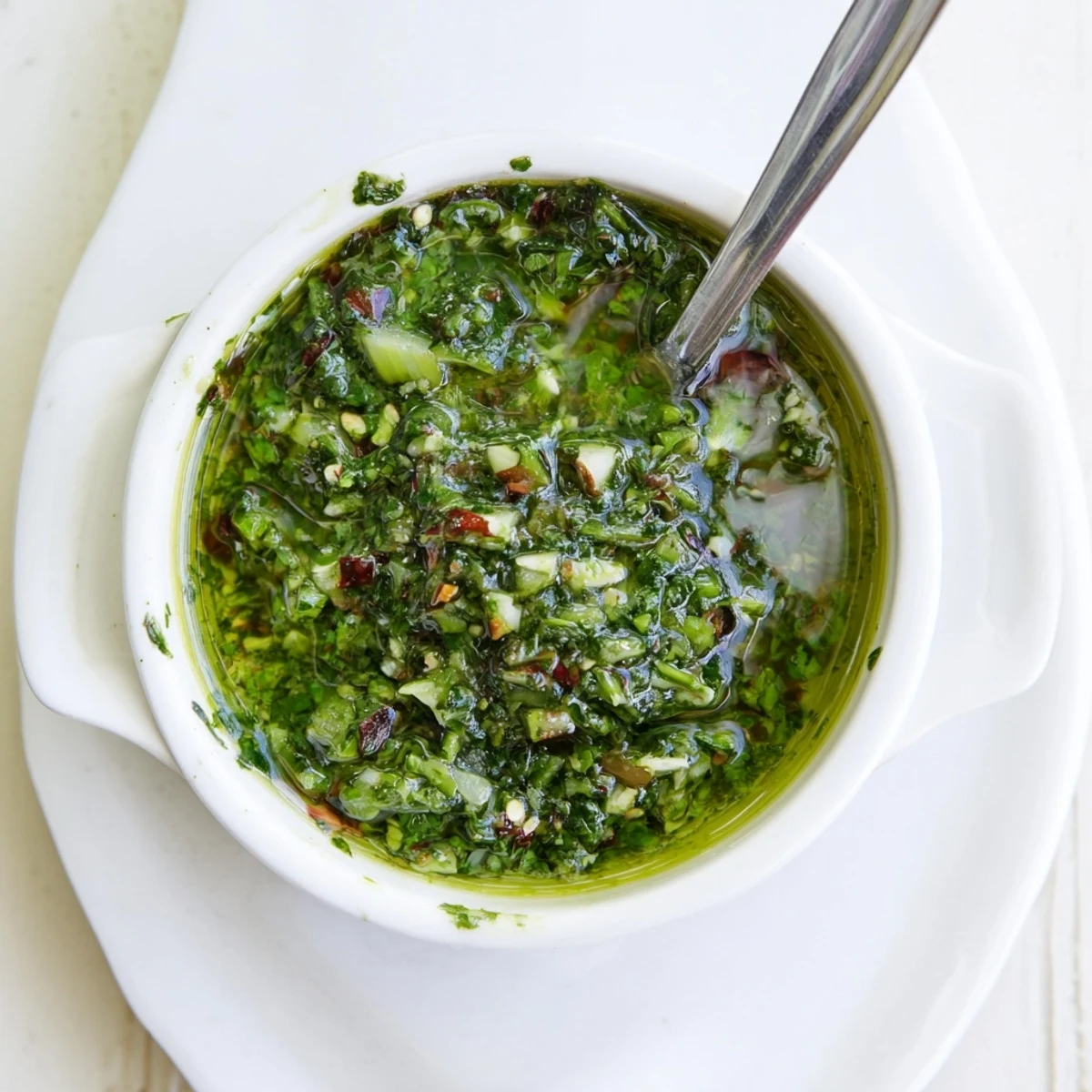
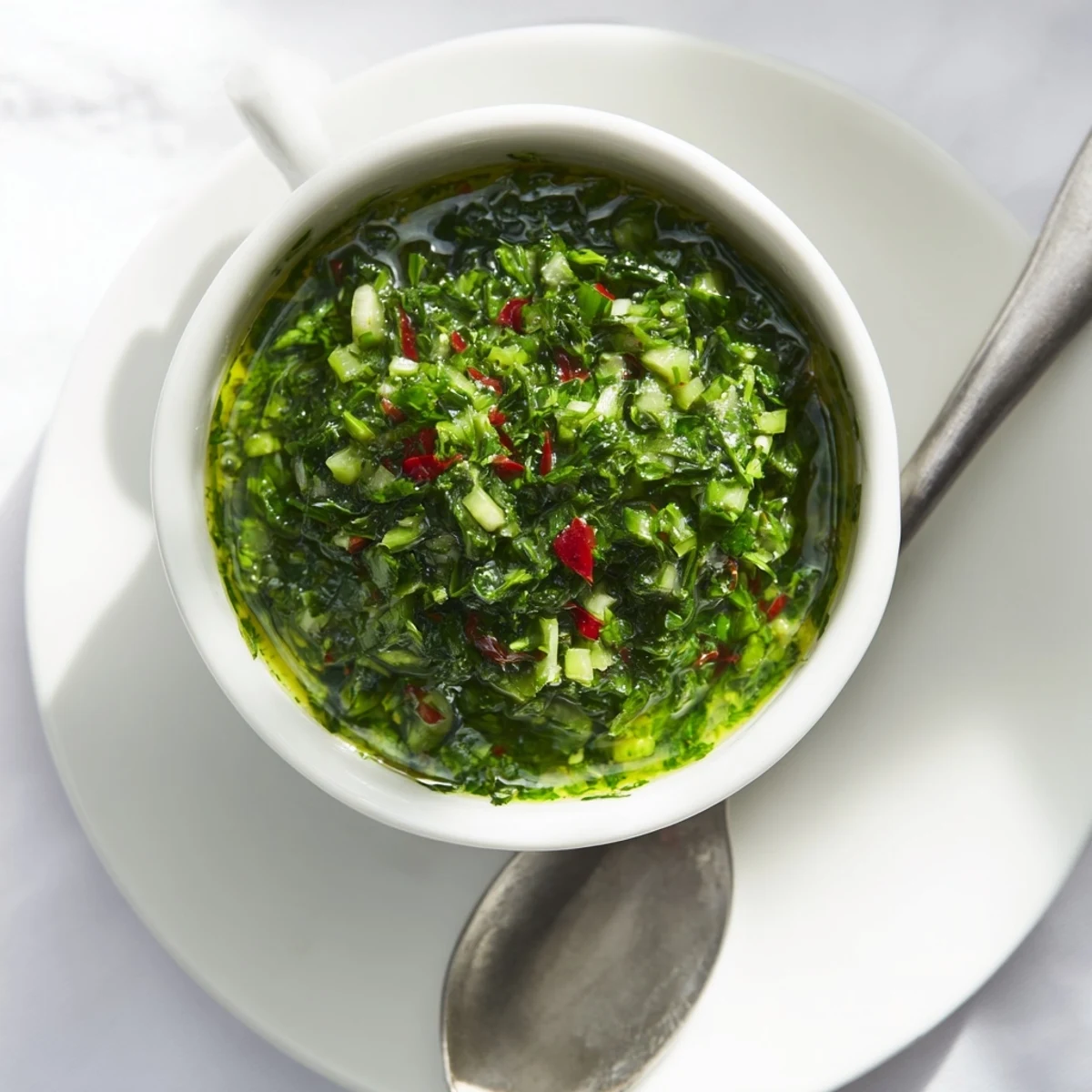
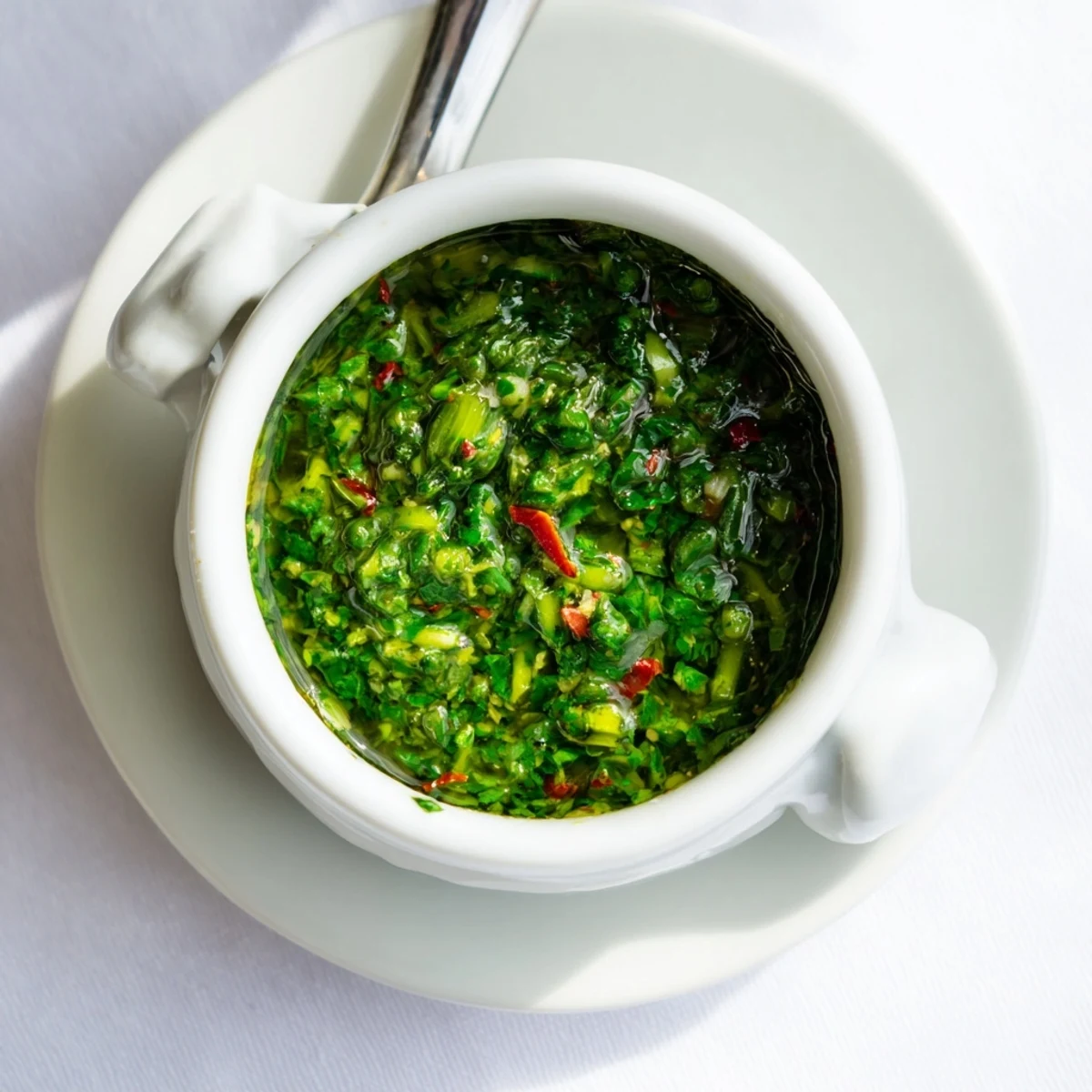
This versatile sauce pairs beautifully with steak, chicken, fish, tofu, or roasted vegetables. It keeps for up to three days in the refrigerator, developing even deeper flavors as the ingredients meld together. The texture should be thick and slightly chunky—authentic chimichurri style—not a smooth purée.
Standing at the farmers market last June, I watched a cook literally grabbing handfuls of those curlicue garlic stems someone told me were scapes. The smell when she chopped them was like garlic but greener, somehow sweeter and more alive than any clove I'd ever used.
Last summer I made a double batch for a barbecue and my friend's husband, who claims he hates parsley, literally dipped his steak in it three times. Then he asked for the recipe, which is how I know this isn't just good—it's the kind of good that makes people change their minds about ingredients.
Ingredients
- Garlic scapes: These are the flowering stems of garlic plants and they're only available for a few weeks each spring. They have a milder, sweeter garlic flavor that's perfect for raw sauces.
- Fresh parsley and cilantro or oregano: Parsley provides the grassy backbone while the other herb adds brightness. Cilantro makes it more vibrant, oregano gives it a more traditional Argentinian flavor.
- Shallot: Milder than onion and sweeter than garlic, shallots add subtle depth without overpowering the fresh herbs.
- Red wine vinegar: The acid that cuts through rich meats and brightens everything. Apple cider vinegar works in a pinch but the flavor profile changes slightly.
- Extra-virgin olive oil: Don't use your most expensive specialty oil here, but do choose something fruity and fresh. The oil carries all those herb flavors.
- Lemon juice: Adds brightness and helps preserve the vibrant green color of the herbs.
Instructions
- Prep your herbs and aromatics:
- Rinse everything well and shake dry. Give the scapes a rough chop, remove any tough stems from the herbs, and peel that shallot. Damp herbs make watery sauce, so pat them dry if needed.
- Build the flavor base:
- Toss scapes, parsley, your chosen second herb, shallot, and chili or pepper flakes into your food processor. Pulse just until everything looks like confetti—don't let it turn into a paste yet.
- Add the liquids:
- Pour in olive oil, vinegar, lemon juice, salt, and pepper. Pulse again until the sauce looks thick and textured with small visible bits of herbs. Stop before it becomes completely smooth.
- Check your consistency:
- If it looks thicker than you like, add water one tablespoon at a time, pulsing between additions. The sauce should coat a spoon generously but still drizzle easily.
- Taste and adjust:
- Grab a clean spoon and taste. Want more zing? Add a splash more vinegar. Need more heat? Another pinch of pepper flakes. This is where you make it yours.
 Save
Save I first made this on a Tuesday night after impulse-buying scapes at the market, and now I keep a jar in the fridge all summer. Something about having this bright, punchy sauce ready makes grilling feel like less of a chore and more like a celebration.
Making It Your Own
Sometimes I swap in fresh mint for half the parsley when I'm serving lamb. The mint and scapes together taste like they were always meant to be paired, especially with a little extra lemon juice.
Serving Ideas
Beyond the obvious grilled meats, try spooning this over scrambled eggs, roasted vegetables, or even as a sauce for grain bowls. Last week I stirred some into plain Greek yogurt for an instant dip.
Storage & Make Ahead
This sauce actually tastes better on day two after all those flavors have had time to get to know each other. Store it in a glass jar with a tight lid and bring it to room temperature before serving.
- Press a piece of plastic wrap directly onto the surface to prevent oxidation
- The color will darken over time but flavor stays vibrant for 3-4 days
- Freeze in ice cube trays for longer storage and thaw as needed
 Save
Save There's something deeply satisfying about transforming those curly market stems into something that makes ordinary grilling feel extraordinary. Hope this becomes your summer staple too.
Common Questions
- → What are garlic scapes?
-
Garlic scapes are the curly, green flower shoots that emerge from hardneck garlic plants in early summer. They have a mild garlic flavor that's fresher and less pungent than garlic cloves, with a texture similar to asparagus or green beans. They're often available at farmers markets from late spring through early summer.
- → How long does chimichurri sauce last?
-
This chimichurri sauce will stay fresh in an airtight container in the refrigerator for up to 3 days. After that, the herbs may begin to oxidize and lose their vibrant green color. For best flavor and appearance, use within the first 24-48 hours. You can also freeze portions in ice cube trays for longer storage.
- → What does chimichurri pair well with?
-
Chimichurri is incredibly versatile and pairs beautifully with grilled meats like steak, flank steak, and pork chops. It's also excellent on grilled chicken, fish, or shrimp. Vegetarians love it on grilled vegetables, tofu, or roasted potatoes. It even works as a sandwich spread or mixed into rice dishes.
- → Can I make this without a food processor?
-
Absolutely. You can finely chop all the herbs, garlic scapes, and shallots by hand, then whisk in the olive oil, vinegar, and lemon juice. The texture will be slightly different—more like a traditional rustic salsa—but the flavor will be just as delicious. A mortar and pestle also works well for creating a paste-like base.
- → Is chimichurri supposed to be spicy?
-
Traditional chimichurri has a mild heat from red pepper flakes or fresh chili, but it's not meant to be overwhelmingly spicy. The heat level is adjustable—if you're sensitive to spice, omit the chili entirely. If you love heat, add extra red pepper flakes or a spicier chili variety like jalapeño or serrano.
- → Can I substitute the herbs?
-
While parsley is essential to traditional chimichurri, you can substitute cilantro for oregano or use a mix of both. Fresh basil or mint can add interesting variations, though they'll change the flavor profile. Avoid dried herbs—they don't provide the same fresh, vibrant taste that makes chimichurri special.