
 Save
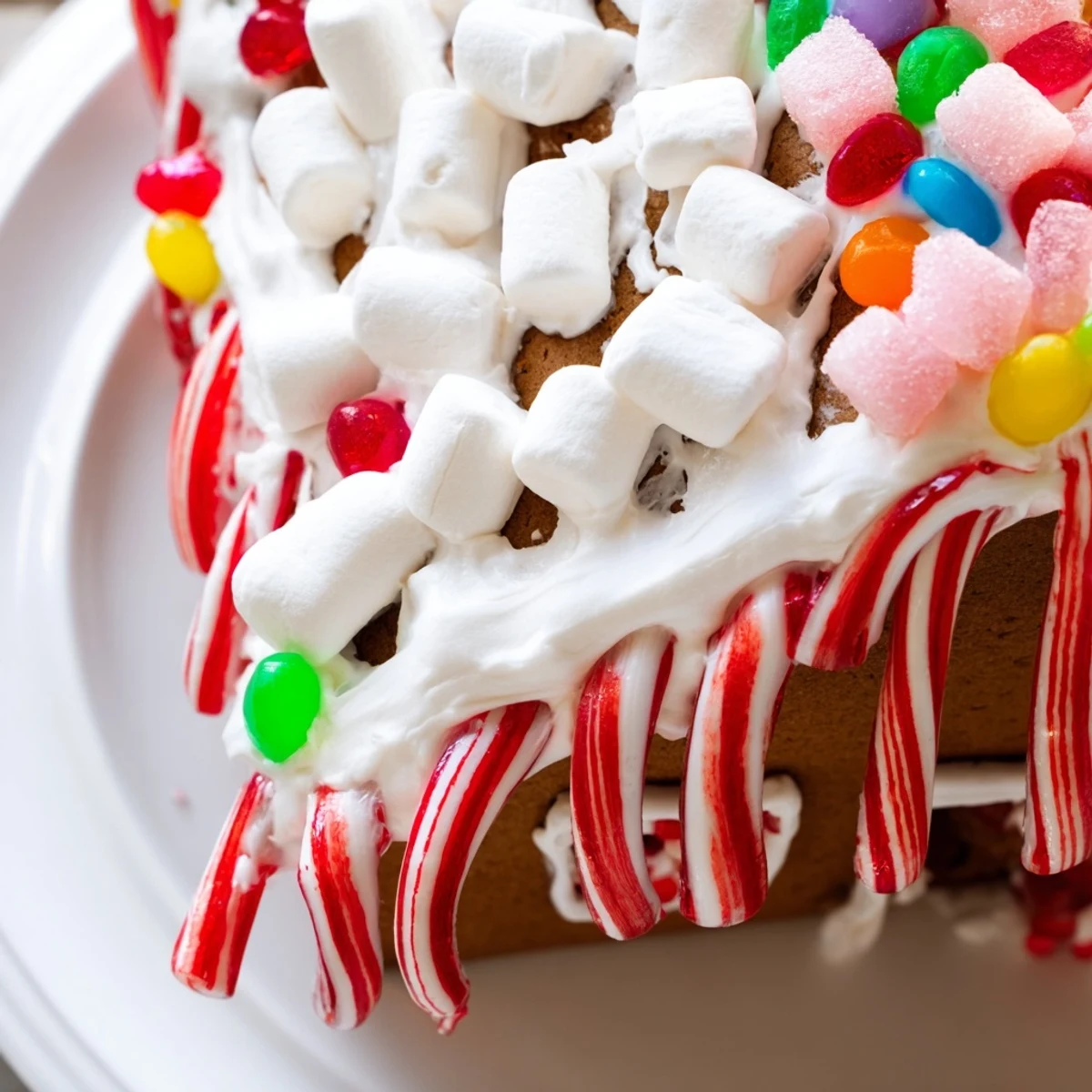
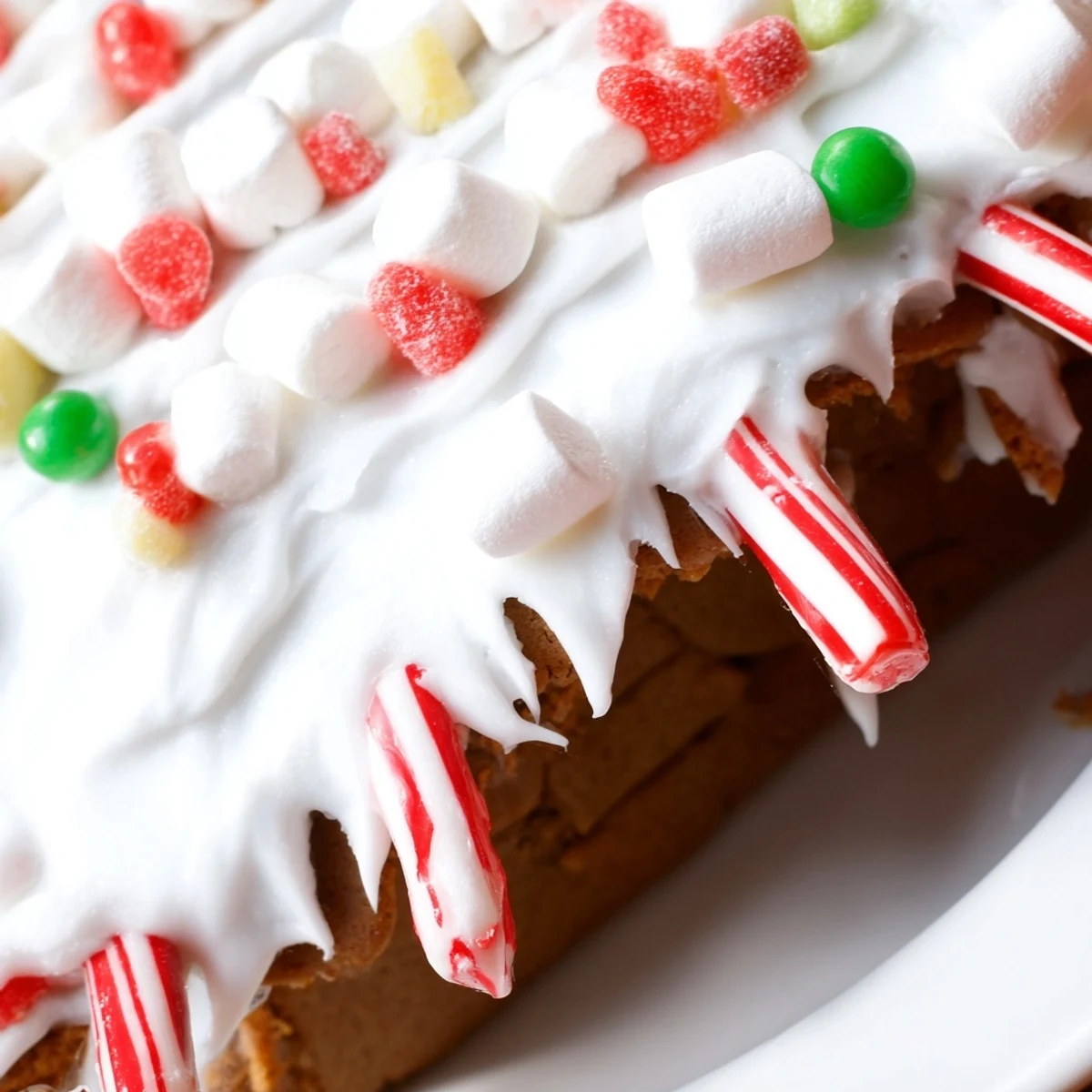
Save This gingerbread house features a spiced dough baked to golden perfection, assembled with fluffy royal icing, and decorated with assorted candies including gumdrops and candy canes. The process involves mixing aromatic spices like ginger, cinnamon, and cloves into a rich molasses-based dough, chilling it for ease of cutting, then carefully baking and assembling the pieces. Once constructed, the house is adorned with a variety of colorful sweets that add festive charm and texture. Ideal for holiday gatherings, it serves as both a centerpiece and a sweet treat, adding warmth and cheer to any celebration.
The first gingerbread house I built wasn't about perfection—it was about capturing that specific smell of cinnamon and molasses that fills a kitchen in early December and makes everything feel like Christmas is already here. My hands were sticky, the royal icing kept breaking, and I somehow used food coloring on my white apron, but watching the candy decorations catch the light as they stuck to the walls felt like pure magic. There's something wonderfully human about creating an edible home, especially when you know it'll eventually be devoured by people you love.
My neighbor brought her three kids over to help decorate our gingerbread house one snowy afternoon, and what started as careful, intentional candy placement quickly turned into creative chaos—gumdrops going sideways, licorice ropes dangling like vines. The house wasn't Instagram-perfect, but it became the house *they* built, and that made it infinitely more special than anything a professional baker could have created.
Ingredients
- All-purpose flour: The foundation of your gingerbread—use it at room temperature so the dough comes together smoothly without becoming tough.
- Brown sugar and molasses: These two create that deep, warm color and the complex sweetness that makes gingerbread taste like winter itself.
- Unsalted butter: Softened before mixing gives you that creamy base that helps the dough roll out without cracking.
- Ginger, cinnamon, cloves, and nutmeg: Don't skimp here—these spices are what transform ordinary cookies into something that smells like the holidays.
- Egg: Binds everything together and adds richness that makes the final cookie less brittle.
- Baking soda: Helps the dough rise just slightly, creating a texture that's sturdy but not dense.
- Powdered sugar and egg whites: Royal icing becomes your edible glue—stiff peaks are essential for holding the house together and attaching candy.
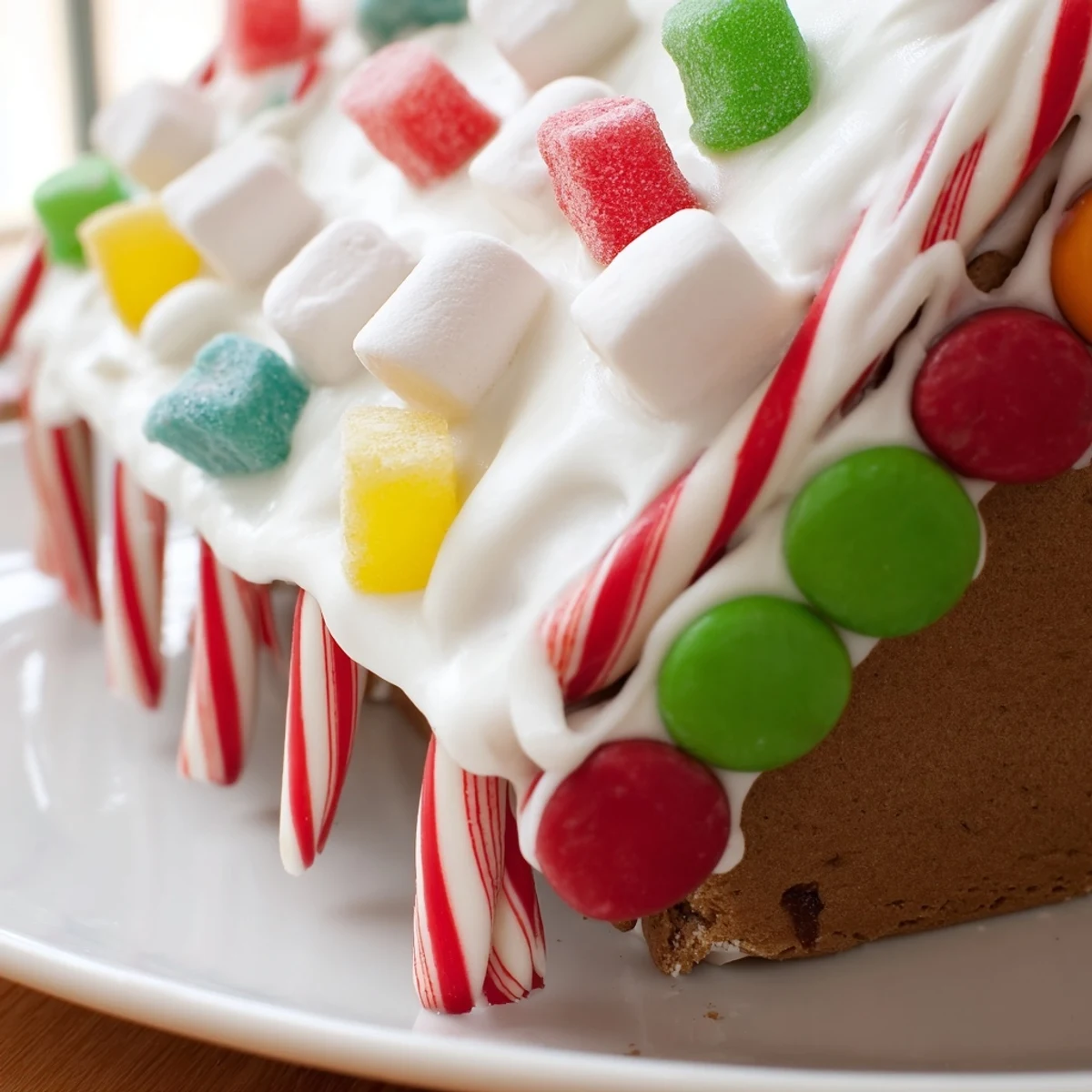
- Assorted candies: Pick a mix of textures and colors—gumdrops for windows, candy canes for trim, chocolate buttons for details—whatever speaks to you.
Instructions
- Cream butter and sugar:
- Beat them together until light and fluffy, which takes about 2 minutes with an electric mixer. This aerates the mixture and sets you up for a tender cookie.
- Mix in molasses and egg:
- Add these slowly so they incorporate smoothly without splattering. The molasses will darken everything beautifully.
- Combine dry ingredients:
- Whisk flour, spices, baking soda, and salt separately so the spices distribute evenly. Gradually fold this into the wet mixture until a shaggy dough forms.
- Chill the dough:
- This step is non-negotiable—cold dough won't stick to your rolling pin and holds sharp edges when cut. Wrap it and let it rest at least an hour.
- Roll and cut:
- Work on a lightly floured surface to 1/4-inch thickness. Use cardboard templates to cut out two walls, two roof pieces, and two gable ends—precision here prevents assembly headaches later.
- Bake pieces:
- Watch for the edges to darken slightly and the dough to feel firm—usually 12 to 15 minutes at 350°F. Cool completely on wire racks so they harden enough to support the structure.
- Prepare royal icing:
- Beat egg whites until foamy, then gradually add powdered sugar, beating until stiff peaks form that hold their shape. This is your structural glue.
- Assemble the house:
- Pipe icing along edges and press pieces together, holding for a moment to set. Let the whole structure dry for at least an hour before decorating so it won't collapse under the weight of candy.
- Decorate with candies:
- Use remaining icing to attach candies—think windows, doors, borders, and shingled roofs. Work methodically so the icing sets as you go, then let everything cure completely before moving the house.
 Save
Save I'll never forget the moment my nephew pointed to our finished house and said it was his favorite building in the whole world—better than real houses because you could eat it. That's when I realized this wasn't really about creating a perfect gingerbread structure; it was about building something that brought joy, togetherness, and delicious memories all at once.
Preparing Your Templates
Take time to sketch out or print your house templates before you start rolling dough. Cardboard cutouts work beautifully and let you reuse them year after year, which means next December you'll remember exactly how to shape the walls and roof. A ruler helps ensure your pieces are roughly uniform so they fit together without awkward gaps.
The Royal Icing Secret
The difference between icing that holds and icing that slides is consistency—it should be thick enough to pipe clean lines but flow enough to bond the gingerbread edges. If it gets too stiff, a tiny drop of lemon juice loosens it; if it's too thin, sift in a bit more powdered sugar. Working slowly prevents you from having to throw it out and start over.
Decorating Like You Mean It
Lay out all your candies before you start gluing—this moment of planning transforms the decorating from chaotic to intentional, and you'll work faster when you know where everything goes. The architecture of your candy placement matters too; heavier candies work better on the lower walls and roof, while lighter sprinkles shine near the top. Step back frequently to see how light plays across the finished details.
- Heavy candies like gumdrops and chocolate buttons anchor corners and edges where they won't shift.
- Lighter sprinkles and dragées go on last after everything else is set, giving them the brightest impact.
- Let each section dry before rotating the house, preventing candies from sliding off as you work around it.
 Save
Save This gingerbread house is as much about the people gathered around it as it is about the spices baked into every piece. Make it together, laugh at the crooked walls, and remember that the most beautiful houses are the ones built with hands that aren't afraid to get sticky.
Common Questions
- → What spices enhance the gingerbread dough?
-
Ground ginger, cinnamon, cloves, and nutmeg blend to create a warm, aromatic flavor profile in the dough.
- → How is the structure held together?
-
Fluffy royal icing acts as an edible adhesive, securing the gingerbread pieces firmly in place during assembly.
- → What candies work best for decoration?
-
Assorted colorful candies like gumdrops, candy canes, chocolate buttons, and mini marshmallows provide both visual appeal and texture.
- → Can egg whites be substituted in royal icing?
-
Yes, pasteurized egg whites or meringue powder can be used to ensure food safety while achieving the desired texture.
- → How long does it take to prepare and bake?
-
Preparation and assembly take around 2 hours, with an additional 15 minutes baking time for sturdy, lightly browned pieces.
- → What tools assist in creating the house shape?
-
Using templates with a sharp knife or cutters on rolled dough helps achieve precise walls, roofs, and gable ends for assembly.