
 Save
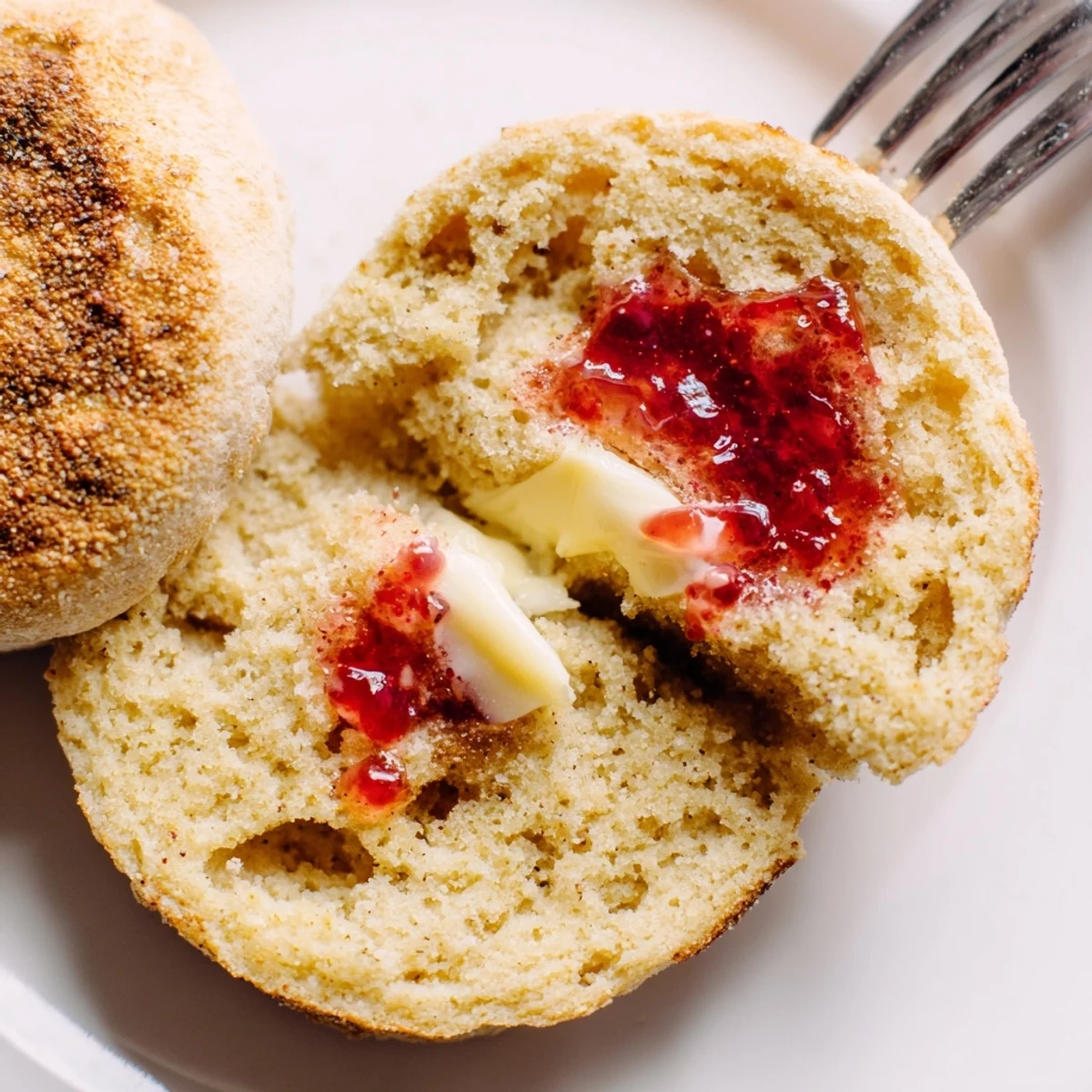
Save Craft your own classic English muffins with beautifully soft interiors and golden-brown exteriors. These traditional British breakfast favorites feature the quintessential chewy texture and honeycomb crumb structure that makes them perfect for toasting and topping with melted butter, jam, or honey.
The dough combines bread flour with active yeast and just a touch of sugar, then gets enriched with melted butter for tenderness. After a proper rise, the muffins cook on a griddle, developing those signature crusty outsides while staying fluffy inside.
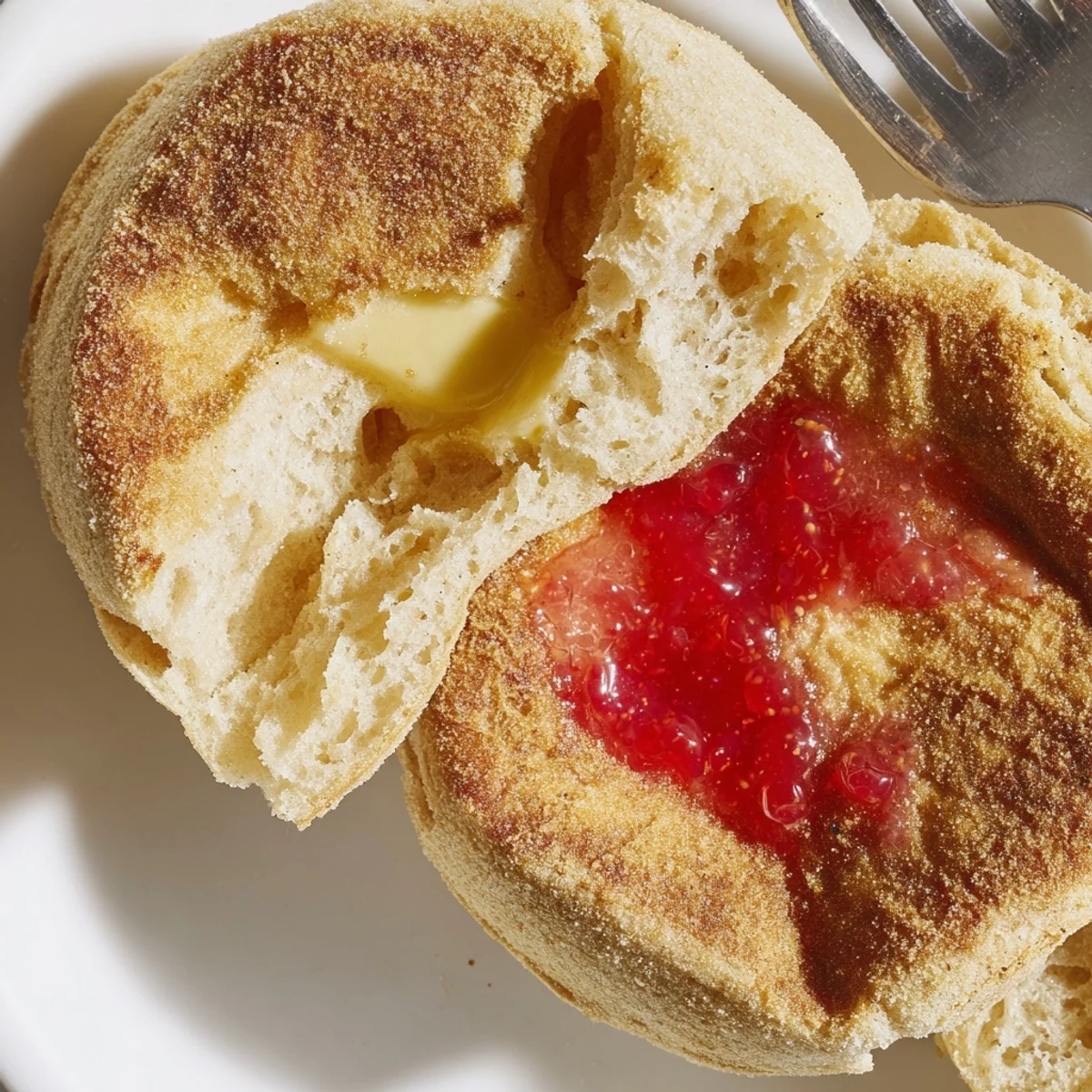
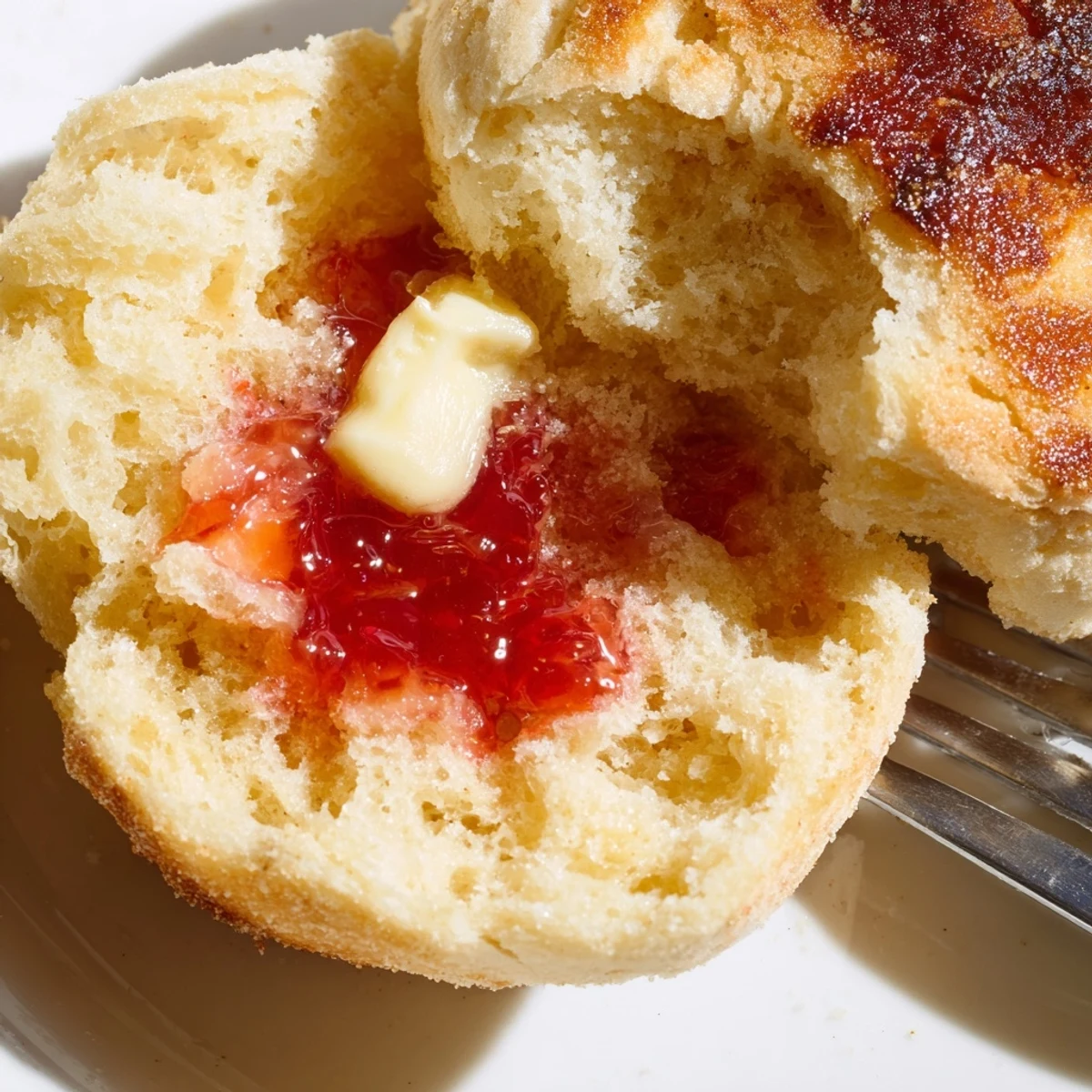
Split them with a fork to preserve the characteristic nooks and crannies, then toast until warm and crisp. Store at room temperature for three days or freeze for longer-lasting breakfast enjoyment.
My kitchen smelled like a bakery that morning, the kind of warmth that makes you want to wrap yourself in an apron and stay put all day. I had been eyeing English muffins at the grocery store for months, always picking them up and putting them back. Something about making them from scratch felt intimidating, like bread territory I was not ready for. That Saturday, with rain drumming against the window and nowhere to be, I finally gave in.
My sister was visiting that weekend, and we ate them warm straight from the pan, no toaster needed. She split hers open and watched the steam rise, then slathered on butter that melted into every crater. We stood at the counter talking about nothing important, crumbs falling everywhere, completely ignoring the plates we had set out. Sometimes the best breakfast moments happen when you skip the formalities.
Ingredients
- Bread flour: The higher protein content creates that signature chewy structure that all purpose flour just cannot deliver
- Whole milk: Adds richness and tenderness to the crumb, and lukewarm temperature wakes up the yeast properly
- Active dry yeast: This is what creates all those beautiful air pockets inside each muffin
- Granulated sugar: Just enough to feed the yeast without making the muffins sweet
- Fine sea salt: Enhances flavor and strengthens the gluten structure for better rise
- Unsalted butter: Melted into the dough for tenderness and used for cooking to create that golden crust
- Cornmeal or semolina: The secret to that classic dusty coating and prevents sticking while proofing
Instructions
- Wake up the yeast:
- Dissolve the yeast and sugar in lukewarm milk and let it sit until it develops a frothy layer on top, like a mini science experiment happening in your bowl
- Build the dough:
- Combine flour and salt in a large bowl, make a well in the center, then pour in your frothy yeast mixture and melted butter
- Work it:
- Turn the shaggy dough onto a floured surface and knead until it feels smooth and bounces back when you press it, about 8 to 10 minutes of honest work
- Let it rise:
- Place the dough in an oiled bowl, cover it, and find a warm corner where it can rest and double in size for at least an hour
- Shape them:
- Roll the dough to about three quarter inch thickness and cut circles with a round cutter, then gather scraps and repeat until you have about 8 muffins
- Create the signature coating:
- Dust a baking sheet with cornmeal, arrange the muffins on top, sprinkle more cornmeal over them, and let them proof until slightly puffed
- Cook them low and slow:
- Cook in a buttered skillet over medium low heat for 7 to 9 minutes per side until deeply golden and cooked through
 Save
Save These became my Sunday morning ritual during winter, something to look forward to all week. I would make a double batch and freeze half, but honestly, they rarely made it to the freezer. Friends started asking if they could drop by on muffin mornings, which is the best compliment a recipe can get.
Getting That Perfect Rise
Temperature control makes all the difference between a dense hockey puck and an airy delight. I learned this after a batch that could have doubled as doorstops. Find the warmest spot in your kitchen, maybe near a sunny window or on top of a running dryer, and let the dough take its time.
Skillet Secrets
A cast iron skillet holds heat beautifully and creates the most even golden brown crust. I have used nonstick pans in a pinch, but the results are never quite the same. The key is patience; resist the urge to crank up the heat or flip them too early.
Make Them Your Own
Once you master the basic recipe, the variations are endless. Try adding herbs, cheese, or dried fruit to the dough for a completely different experience that still has that signature texture.
- Mix in sharp cheddar and chopped scallions for a savory version
- Add cinnamon raisins for a breakfast treat that needs nothing but butter
- Experiment with half whole wheat flour for added nutrition
 Save
Save There is something deeply satisfying about making bread that does not require an oven or a bread machine. These English muffins turned me into someone who says things like, why would I buy them when I can make them better at home.
Common Questions
- → Why split English muffins with a fork?
-
Using a fork to split English muffins preserves their signature nooks and crannies. A knife compresses the interior, but the fork's tines create rough surfaces that hold butter and jam perfectly while toasting beautifully.
- → Can I make these muffins without a griddle?
-
A cast-iron skillet or heavy non-stick pan works excellently. The key is cooking over low-medium heat to ensure the muffins cook through completely before the exterior burns. A heavy pan distributes heat evenly for consistent results.
- → How do I know when the muffins are fully cooked?
-
Muffins should reach an internal temperature of 200°F (93°C). Externally, look for deep golden-brown color on both sides. They should feel lightweight and sound slightly hollow when tapped on the bottom.
- → What's the purpose of cornmeal dusting?
-
Cornmeal prevents sticking while adding subtle texture and preventing the muffins from adhering to the cooking surface. It also creates that classic slightly crunchy exterior that's characteristic of traditional English muffins.
- → Can I freeze these muffins?
-
Absolutely. Once completely cooled, wrap individually in plastic wrap and store in freezer-safe bags for up to two months. Thaw at room temperature or pop frozen muffins directly in the toaster for quick breakfast convenience.
- → Why is the rise time so long?
-
The extended rise allows proper yeast fermentation, developing flavor and creating the characteristic airy texture. English muffins need substantial interior structure to form those desirable pockets when split later.