
 Save
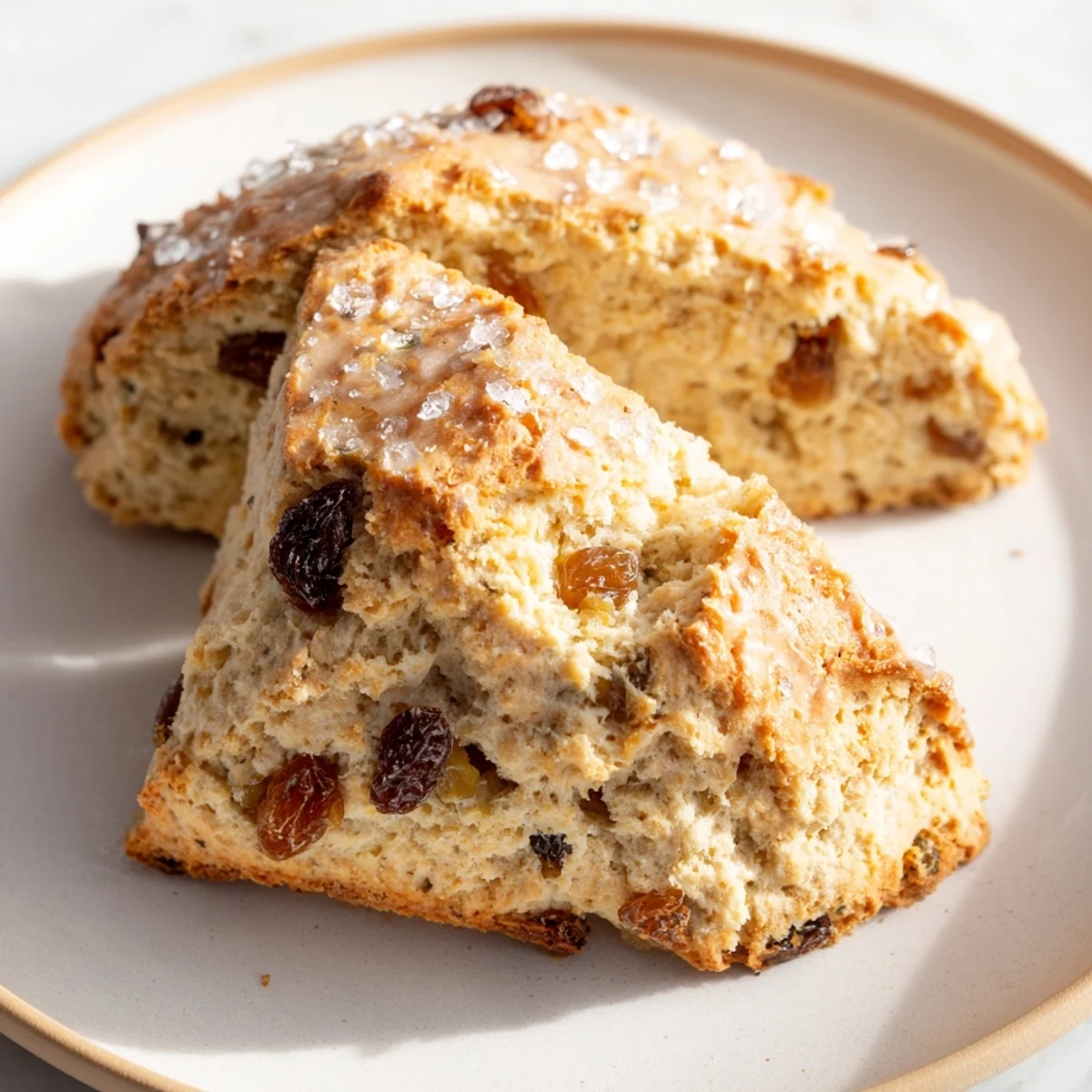
Save These Irish soda bread scones are tender and crumbly with a rustic appeal, combining all-purpose and whole wheat flours with buttermilk and a touch of sweetness from raisins. Caraway seeds add a subtle depth of flavor, while baking soda and powder create a soft, light texture. The dough is gently mixed and shaped into wedges, brushed with buttermilk, and baked until golden. Perfect for breakfast or a cozy snack, they pair beautifully with butter or jam and are best enjoyed fresh.
The smell of caraway seeds always takes me back to my grandmother's tiny kitchen, where she'd measure ingredients by handful rather than cup. These scones bridge the gap between traditional Irish soda bread and an afternoon tea treat, with that distinctive earthy sweetness that makes caraway so memorable. I started making them on rainy weekends when the idea of waiting for yeast to rise felt impossible, yet I still wanted something warm from the oven.
I once brought a batch to a book club meeting and watched three people reach for seconds before realizing they werent eating something fussy or complicated. The recipe became my go to for bringing comfort to friends who need it, because nothing says Im thinking of you quite like warm bread emerging from the oven in under twenty minutes.
Ingredients
- All purpose flour: The structure here, but whole wheat flour adds nuttiness and heft that keeps these from feeling too delicate
- Baking soda and powder: Both are necessary because the soda reacts with acidic buttermilk while powder ensures consistent lift
- Cold butter: Working cold butter into the flour creates pockets of steam that result in flaky layers, so dont let it warm up
- Buttermilk: The acidity activates the baking soda and adds tang, and the cold temperature keeps the butter from melting too soon
- Raisins and caraway seeds: This combination is traditional in Irish soda bread, with the sweet fruit balancing the aromatic, slightly licorice flavored seeds
Instructions
- Preheat and prepare:
- Heat your oven to 400°F (200°C) and line a baking sheet with parchment paper while the oven warms completely.
- Mix the dry ingredients:
- Whisk together all purpose flour, whole wheat flour, sugar, baking soda, baking powder, and salt in a large bowl until everything looks uniform.
- Cut in the butter:
- Add the cold cubed butter and use a pastry cutter or your fingertips to work it into the flour until the mixture looks like coarse crumbs with some pea sized pieces remaining.
- Add the mix ins:
- Stir in the raisins or currants and caraway seeds until theyre evenly distributed throughout the flour mixture.
- Combine wet and dry:
- Whisk the buttermilk and egg together in a separate bowl, then pour into the dry ingredients and stir gently just until everything comes together.
- Shape the dough:
- Turn the dough onto a floured surface and pat it into a circle about 1 inch thick, handling it as little as possible.
- Cut and arrange:
- Cut the circle into 8 wedges or use a round cutter, then transfer the scones to your prepared baking sheet with space between them.
- Add the finishing touches:
- Brush the tops with extra buttermilk and sprinkle with coarse sugar if you want a sweet, crunchy crust.
- Bake to golden:
- Bake for 16 to 18 minutes until the tops are golden brown and a toothpick inserted in the center comes out clean.
- Cool and serve:
- Let the scones cool slightly on a wire rack, then serve them warm with salted butter and your favorite jam.
 Save
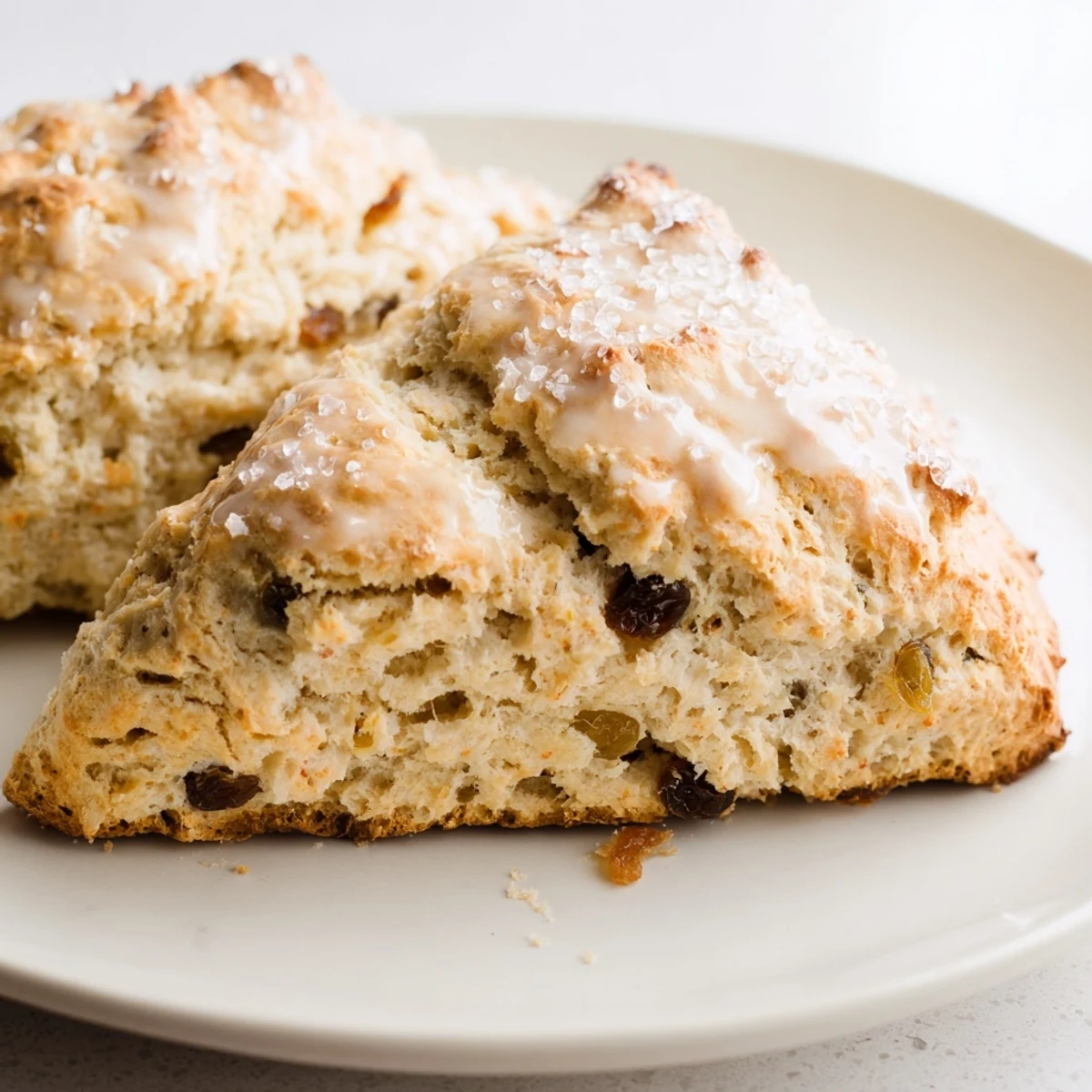
Save My friend once asked why these scones tasted like something from a bakery rather than a home kitchen, and the secret really is keeping everything cold and moving fast. The difference between a good scone and a great one comes down to temperature and restraint in mixing.
Making Ahead
You can freeze the unbaked scones on a baking sheet, then transfer them to a bag once solid and bake straight from frozen, adding just a few minutes to the cooking time. This means you can have fresh baked scones on a weekday morning without any morning prep work at all.
Variations to Try
Sometimes I swap the caraway seeds for orange zest and add chopped pecans for a completely different profile that still feels comforting. Dried cranberries work beautifully instead of raisins, especially during the holidays when that tart sweetness feels particularly welcome.
Serving Suggestions
These scones are perfect for brunch alongside scrambled eggs and fresh fruit, but they also make an excellent afternoon snack with tea. The texture is at its best the day theyre baked, but leftover scones can be split and toasted to refresh them.
- Slather with salted butter while still warm so it melts into every crumb
- Serve with a generous spoonful of strawberry or raspberry jam
- Pair with a strong cup of Irish breakfast tea for the full experience
 Save
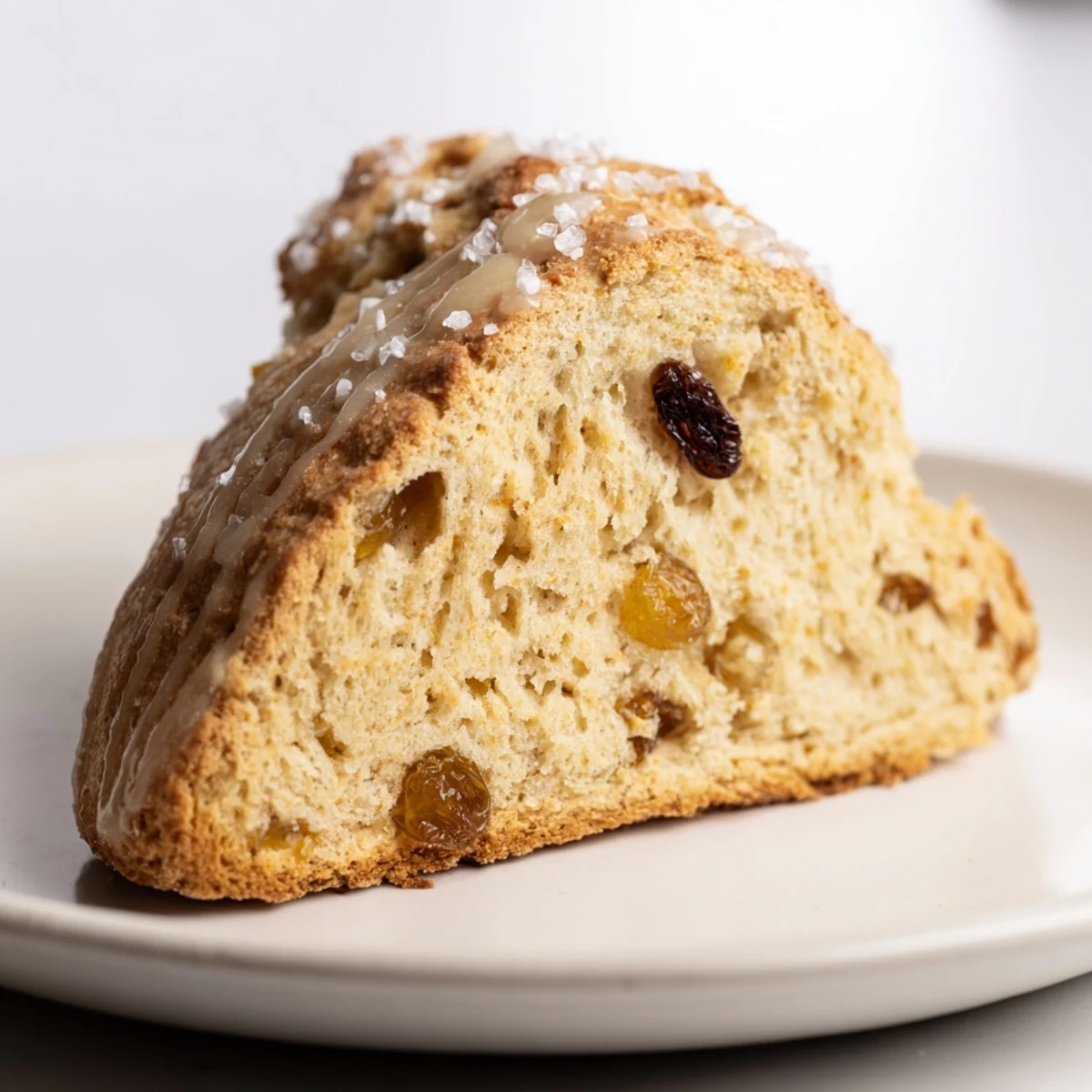
Save Theres something deeply satisfying about pulling these scones from the oven, their caraway scent filling the kitchen and their golden tops promising comfort in every bite.
Common Questions
- → What makes these scones tender and crumbly?
-
The combination of cold cubed butter worked into flour creates a crumbly texture, while buttermilk adds moisture and tenderness.
- → Can I substitute raisins with other dried fruits?
-
Yes, dried cranberries or currants can be used as alternatives to raisins for varying sweetness and flavor.
- → What role do caraway seeds play in these scones?
-
Caraway seeds offer a subtle, slightly nutty and aromatic note, enhancing the traditional Irish flavor profile.
- → How should I store leftover scones?
-
Store leftovers in an airtight container at room temperature for up to two days, or freeze wrapped tightly to preserve freshness.
- → What is the best way to serve these scones?
-
Serve warm or at room temperature with salted butter or jam to complement the scones’ rustic sweetness.
- → How can I ensure scones turn out light and fluffy?
-
Handle the dough gently, avoid overmixing, and use fresh leavening agents such as baking soda and powder for optimal rise.