
 Save
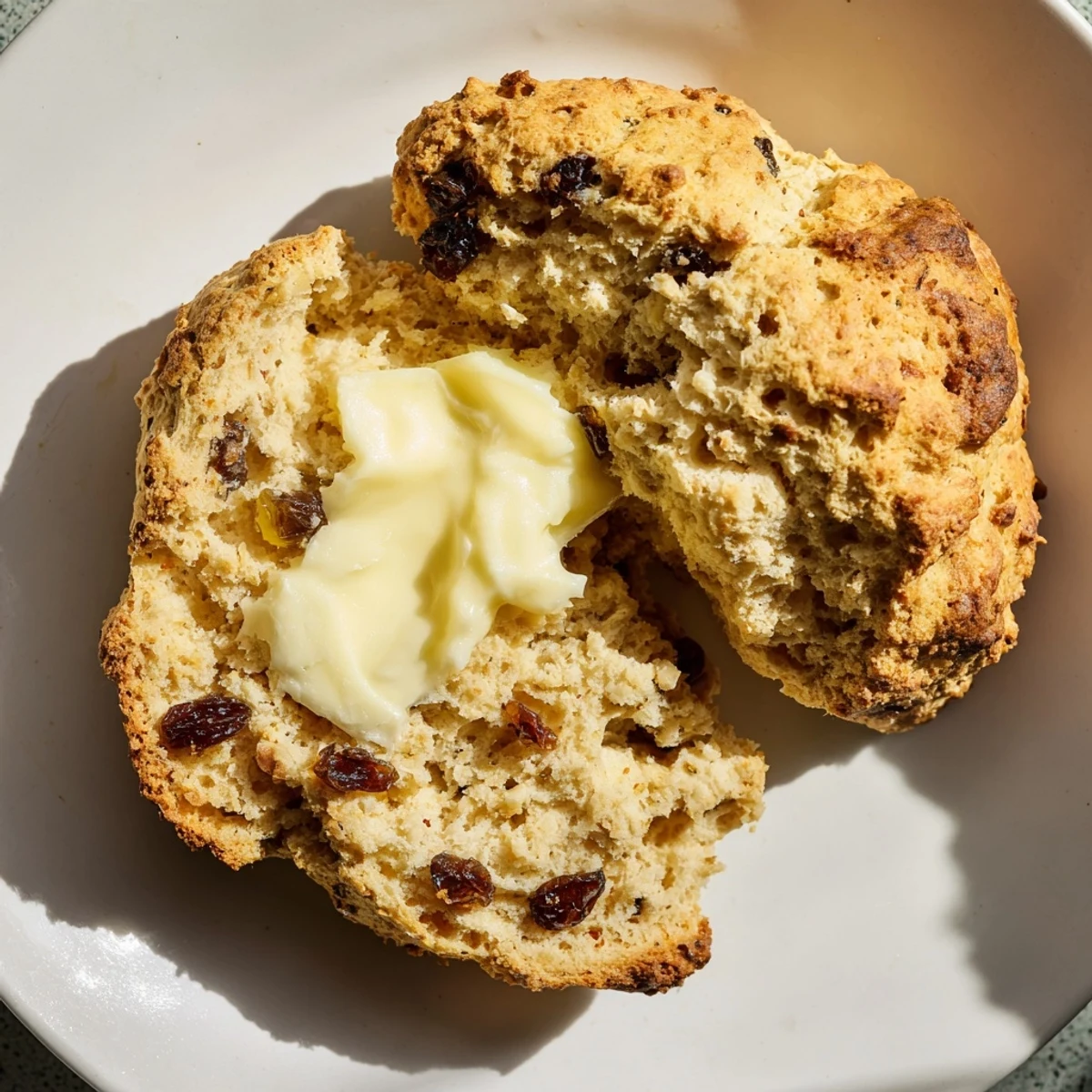
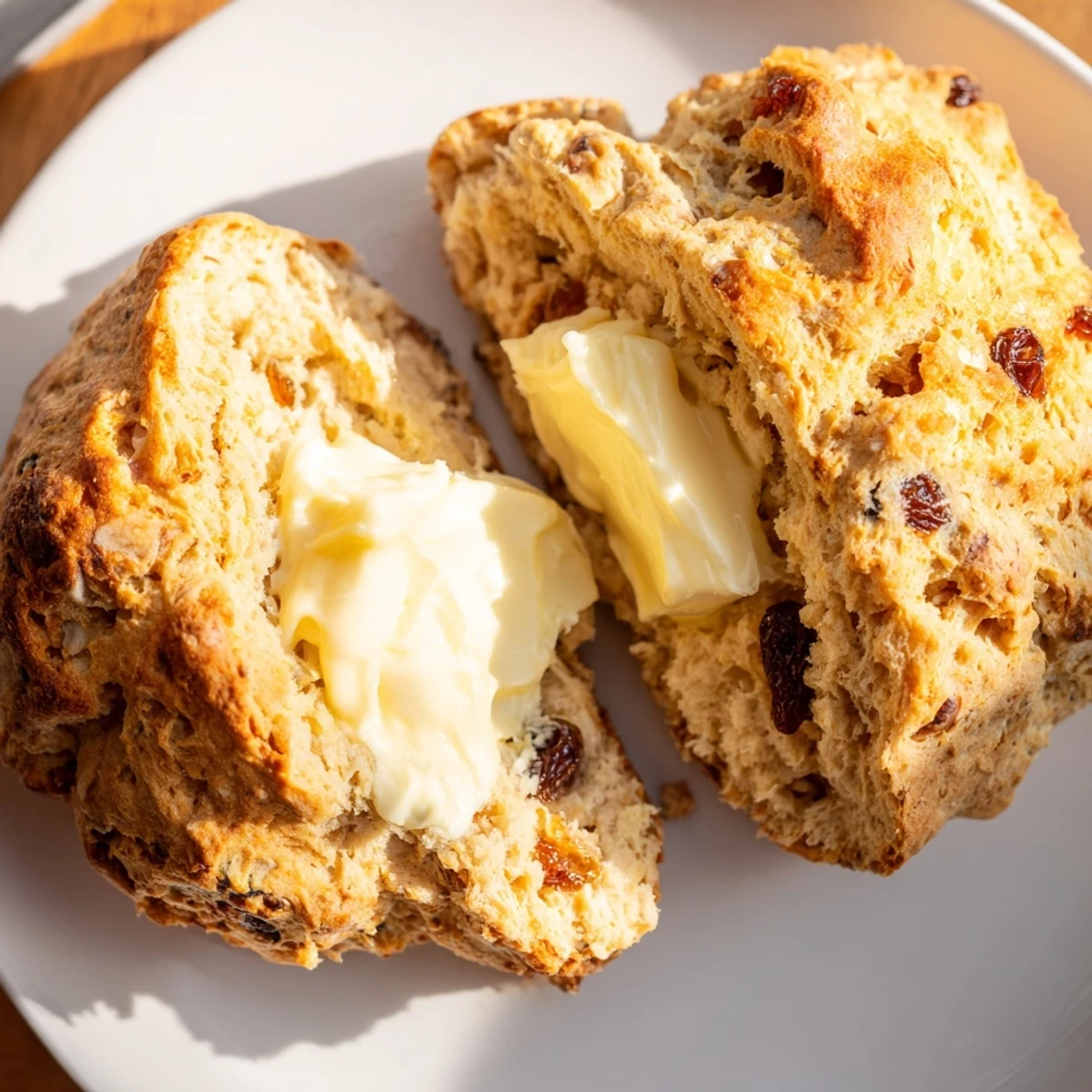
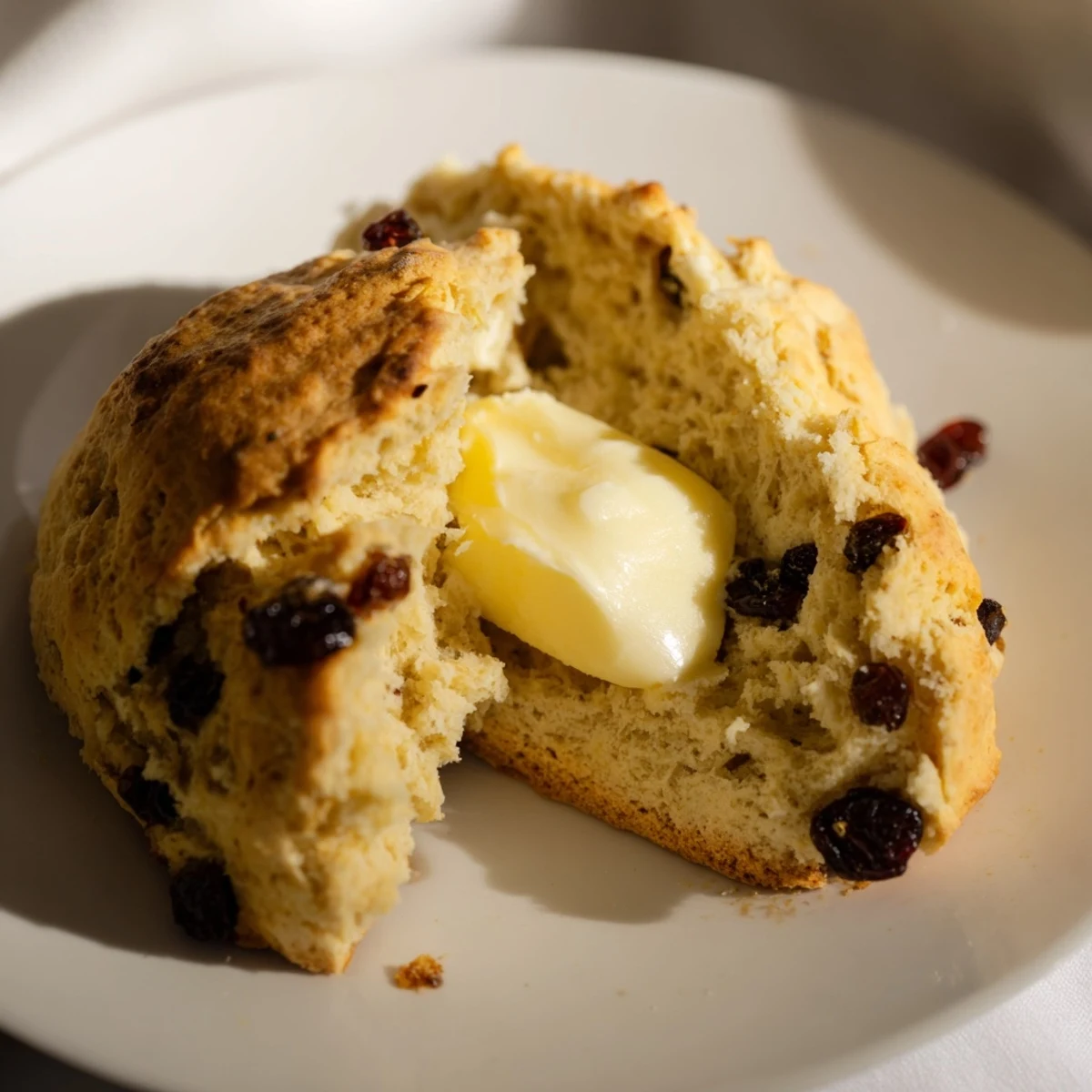
Save These Irish soda bread scones offer a tender, rustic texture with a golden crust and soft crumb. Made with a blend of all-purpose and whole wheat flours, baking soda, and a touch of sugar, they include optional currants for a subtle sweetness. Cold buttermilk, egg, and melted butter create a moist dough gently mixed and shaped into rounds. Baked until golden, these scones are best enjoyed warm, topped with creamy butter for a comforting and satisfying treat.
The first time I made these was on a rainy Tuesday morning when I couldn't decide between baking traditional Irish soda bread or scones. The house filled with that incredible buttermilk smell, and I realized I'd stumbled onto something that felt like both and neither at the same time. My kitchen timer dinged and I pulled them out, crusty gold and steaming, and immediately split one open right there at the counter. That butter melted into the warm crumb and I knew this wasn't just breakfast anymore.
Last winter my sister stayed over and I made a batch, timing everything so they'd be ready the moment she walked in from her early flight. She took one bite and stopped mid sentence, just closed her eyes for a second. Now she texts me every time she makes them, usually with some variation about how nothing else quite hits that same spot.
Ingredients
- All-purpose flour (2 cups): Forms the tender base of these scones, giving them lift without being too heavy
- Whole wheat flour (1/2 cup): Adds that rustic characteristic and subtle nutty flavor I've come to love
- Granulated sugar (1/4 cup): Just enough sweetness to balance the tang of buttermilk without making them dessert-like
- Baking soda: The traditional Irish leavening agent that gives these their signature rise and texture
- Baking powder: Works alongside the soda for extra lift, ensuring each scone bakes up light
- Salt (1/2 teaspoon): Enhances all the other flavors, especially the sweetness from the dried fruit
- Currents or raisins (1/2 cup): Tiny pockets of sweetness throughout, though they're completely optional if you prefer plain
- Buttermilk (1 cup): This is non-negotiable for that authentic Irish flavor and tender crumb
- Large egg: Provides structure and richness, helping the scones hold their shape beautifully
- Unsalted butter (4 tablespoons): Melted into the dough for even distribution and flavor
- Softened butter for serving: Because some things in life should never be skipped
Instructions
- Get your oven ready:
- Preheat to 400°F and line a baking sheet with parchment paper, giving yourself a head start
- Whisk together your dry ingredients:
- In a large bowl, combine both flours, sugar, baking soda, baking powder, and salt until everything is evenly distributed
- Add the fruit:
- Fold in the currants or raisins now if you're using them, making sure they're well coated with flour
- Mix up the wet ingredients:
- In a separate bowl, whisk together the cold buttermilk, egg, and melted butter until combined
- Bring it together:
- Pour the wet ingredients into the dry and stir with a fork until just barely combined, stopping while it still looks shaggy
- Shape the dough:
- Turn onto a floured surface and gently pat into a 1-inch thick circle, handling it as little as possible
- Cut out your scones:
- Use a floured 2.5-inch cutter to cut rounds, placing them on your prepared sheet and gathering scraps to repeat
- Bake until golden:
- Slide into the oven for 18 to 20 minutes, until they're beautifully browned and a toothpick comes out clean
- Warm and buttered:
- Transfer to a wire rack briefly, then serve them warm, split open, with plenty of softened butter
 Save
Save These became my go-to for unexpected guests after the time my neighbor stopped by with car trouble and I had nothing ready. Ten minutes later we were both breaking into warm scones at my kitchen island, and honestly, we forgot about the car for a while.
Getting That Perfect Rise
I've learned that patting the dough to exactly 1 inch thick matters more than I initially thought. Too thin and they bake up dry, too thick and the center stays doughy while the bottom burns.
Fruit Variations
Dried cranberries work beautifully here, especially in fall when their tartness feels right at home. Chopped dried apricots are another favorite, adding little bursts of sunny sweetness that people never quite expect but always appreciate.
Storage and Freezing
These really are at their absolute best the day they're made, but I've been known to freeze a batch for busy weeks. Wrap cooled scones individually in plastic, then freeze in a bag for up to a month, reheating in a 350°F oven for about 8 minutes.
- Brush the tops with extra buttermilk before baking for an extra golden finish
- Let them cool on the baking sheet for 5 minutes before moving to the wire rack
- If freezing, slice them before freezing so you can toast individual halves
 Save
Save There's something genuinely satisfying about a recipe that comes together this quickly and tastes like it took all morning. I hope these find their way into your kitchen on a day that needs a little extra warmth.
Common Questions
- → What gives these scones their tender texture?
-
A combination of cold buttermilk and gentle mixing helps keep the dough tender and prevents overdevelopment of gluten.
- → Can I substitute currants with another dried fruit?
-
Yes, dried cranberries or chopped dried apricots can be used as a flavorful alternative to currants.
- → Why use both baking soda and baking powder?
-
Baking soda reacts with the acidity in buttermilk to leaven, while baking powder provides additional rise for a light crumb.
- → How do I prevent scones from becoming tough?
-
Mix the dough just until combined and avoid overworking it to maintain a soft, tender crumb.
- → What is the best way to serve these scones?
-
Serve warm, split open, and topped with softened butter to enhance their rich, comforting flavor.