
 Save
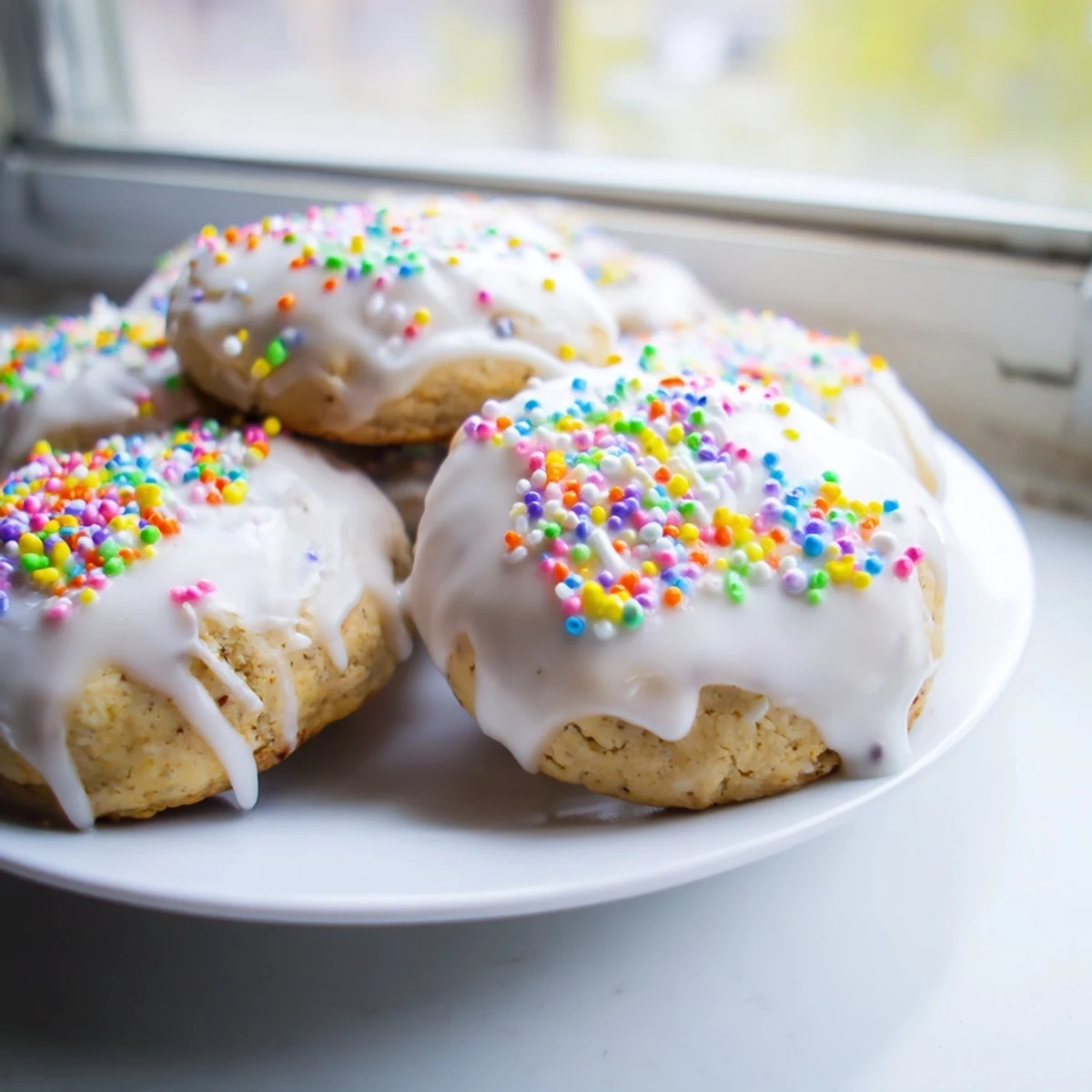
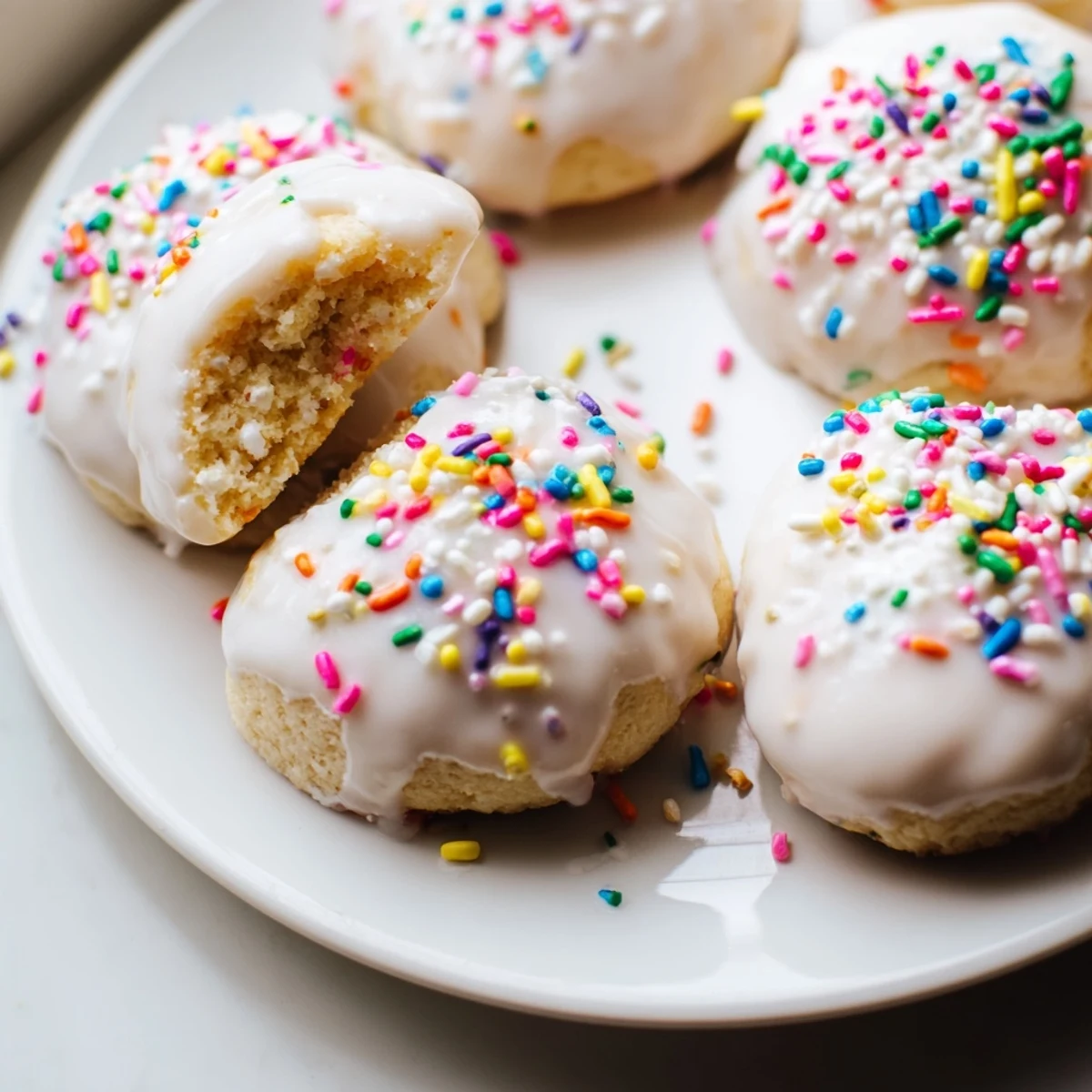
Save These traditional Italian Easter cookies feature a soft, tender texture with bright notes of fresh lemon and orange zest. The dough comes together quickly and bakes into delicate treats that are lightly golden on the bottoms. After cooling, each cookie receives a generous coating of smooth vanilla glaze before being topped with vibrant sprinkles for a festive presentation. The result is a perfectly balanced sweet that's not overpowering—ideal for serving alongside coffee or dessert during holiday gatherings.
My nonna would start making these cookies the week before Easter, the whole house filling with lemon and orange zest. She'd let me help shape the dough into little knots, my small fingers fumbling while she worked twice as fast beside me. Now whenever I zest citrus, I'm transported back to her Formica countertop, dusted with flour and love.
Last Easter, my seven year old niece demanded we make rainbow versions. We used every color sprinkle she could find, creating cookies that looked like jewelry boxes exploded. Her grandmother took one bite, closed her eyes, and said these tasted exactly like the ones from the old country.
Ingredients
- All-purpose flour: The foundation of everything gooddont pack it down when measuring or these become tough little rocks
- Baking powder: What gives them their gentle rise without spreading too thin
- Salt: Just enough to wake up all those flavors
- Unsalted butter: Softened to room temperature so it incorporates properly
- Granulated sugar: Sweetens without overpowering the citrus
- Large eggs: Room temperature ones blend so much better into the dough
- Pure vanilla extract: Use the real stuffthe difference is worth every penny
- Almond extract: Optional but so traditional, adds that marzipan hint
- Lemon and orange zest: The absolute soul of these cookies
- Milk: Just enough to bring the dough together
- Powdered sugar: Sift it first or youre fishing lumps out of your glaze forever
- Milk for glaze: Start with two tablespoons and add more to reach perfect consistency
- Vanilla for glaze: Makes even the simplest frosting taste special
- Colored sprinkles: Go wildpastels feel more like Easter but honestly, any color works
Instructions
- Preheat and prepare:
- Heat your oven to 350°F and line two baking sheets with parchment paper. This prevents sticking and makes cleanup ridiculously easy.
- Whisk the dry ingredients:
- In a medium bowl, combine flour, baking powder, and salt. Set this aside while you work on the wet ingredients.
- Cream the butter and sugar:
- Beat them together until the mixture looks pale and fluffy. This takes about 3 minutes and creates air pockets that make cookies tender.
- Add the eggs and extracts:
- Beat in eggs one at a time, then add vanilla, almond extract if using, and all that beautiful zest. Scrape down the bowl so everything gets incorporated evenly.
- Combine everything:
- Gradually mix in the flour mixture just until combined. Add the milk and mix until dough is soft but not sticking to your hands.
- Shape the cookies:
- Scoop tablespoon portions and roll them into balls, ropes, or knots. Whatever shape you choose, keep them relatively uniform so they bake evenly.
- Arrange and bake:
- Place cookies about 2 inches apart on prepared sheets. Bake for 10 to 12 minutes until bottoms are lightly golden.
- Cool completely:
- Let them rest on the baking sheets for 5 minutes before moving to wire racks. Warm cookies will melt the glaze right off.
- Make the glaze:
- Whisk powdered sugar, milk, and vanilla until smooth and pourable. It should coat a spoon but still drip off slowly.
- Dip and decorate:
- Dip cooled cookie tops into glaze, let excess drip off, and immediately add sprinkles. Work quickly before the glaze starts setting.
 Save
Save I brought a platter to work once and watched grown adults argue over the last one. Someone asked if they could buy them for their upcoming Easter dinner, which was the moment I understood why recipes get passed down through generations.
Making Them Your Own
Some years I swap lemon for lime zest, or add a pinch of anise seed to honor different regional traditions. My sister shapes hers into braids while I stick to simple knots. The dough itself is so forgiving it invites creativity.
The Glazing Secret
Place a wire rack over parchment paper before glazing. The mess drips onto the paper instead of your counter, and you can reuse the glaze that falls through. Works like magic every single time.
Storage and Sharing
These cookies actually taste better on day two when the flavors have had time to mingle. I keep them in a tin between layers of wax paper and they stay soft for nearly a week, assuming they last that long.
- Package them in clear bags tied with ribbon for instant Easter gifts
- Freeze undecorated cookies for up to three months, then glaze when ready
- The plain glazed version travels remarkably well in care packages
 Save
Save However you make them, whoever you share them with, these cookies carry something beyond their ingredients. Maybe that's the real tradition after all.
Common Questions
- → Can I make the dough ahead of time?
-
Yes, the dough can be prepared and refrigerated for up to 24 hours before baking. Let it come to room temperature for about 15 minutes before shaping, as cold dough can be slightly firm to work with.
- → What's the best way to shape these cookies?
-
Traditional shapes include rings, knots, or simple balls. To form rings, roll dough into ropes about 6 inches long and connect the ends. For knots, twist the rope once before connecting. Balls should be about 1 tablespoon each.
- → How do I get the right glaze consistency?
-
The glaze should be thick enough to coat the back of a spoon but thin enough to pour easily. Start with 2 tablespoons of milk and add more if needed. If too thin, add additional powdered sugar one teaspoon at a time.
- → Can I freeze these cookies?
-
Unbaked dough freezes well for up to 3 months. Thaw overnight in the refrigerator before baking. Baked and glazed cookies can be frozen for up to 1 month, though the sprinkles may bleed slightly into the glaze upon thawing.
- → What if I don't have almond extract?
-
Almond extract is completely optional. The cookies still have wonderful flavor from the vanilla and citrus zests. If you enjoy almond flavor, you can also substitute with a few drops of bitter almond extract or increase the vanilla slightly.
- → Why are my cookies spreading too much?
-
Excess spreading usually occurs if the dough is too warm or the butter was too soft when mixing. Chill the shaped cookies for 15-20 minutes before baking to help them hold their shape better in the oven.