
 Save
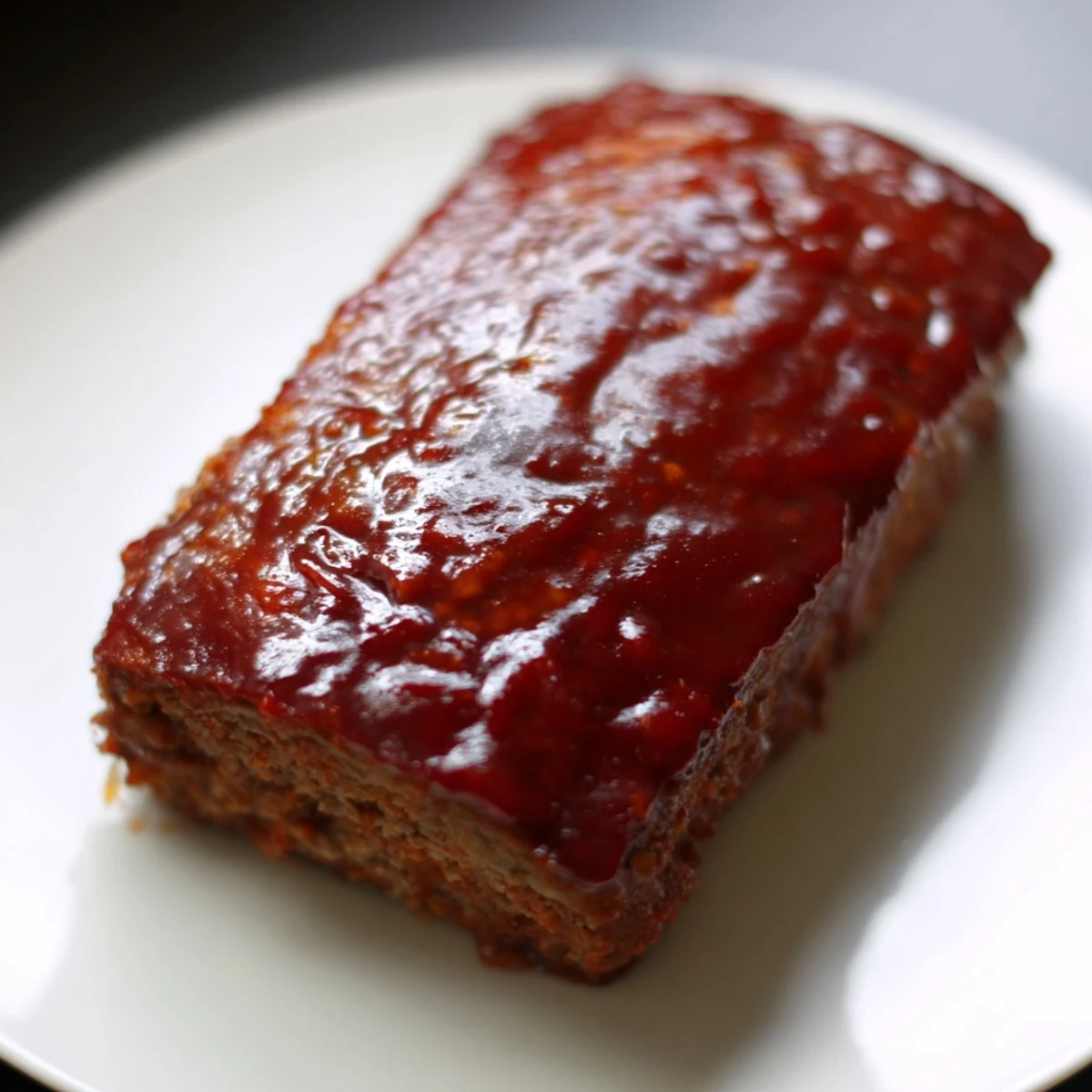
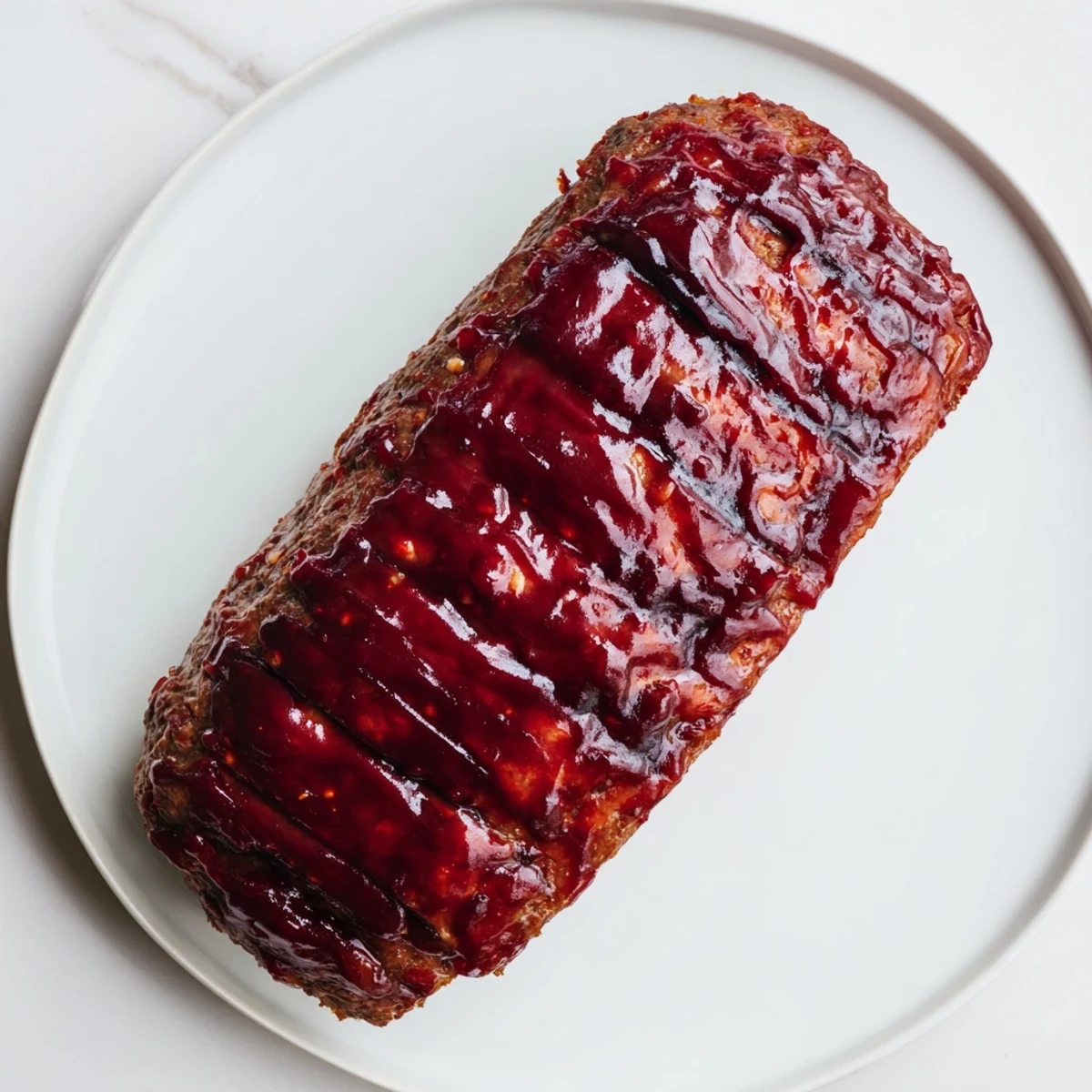
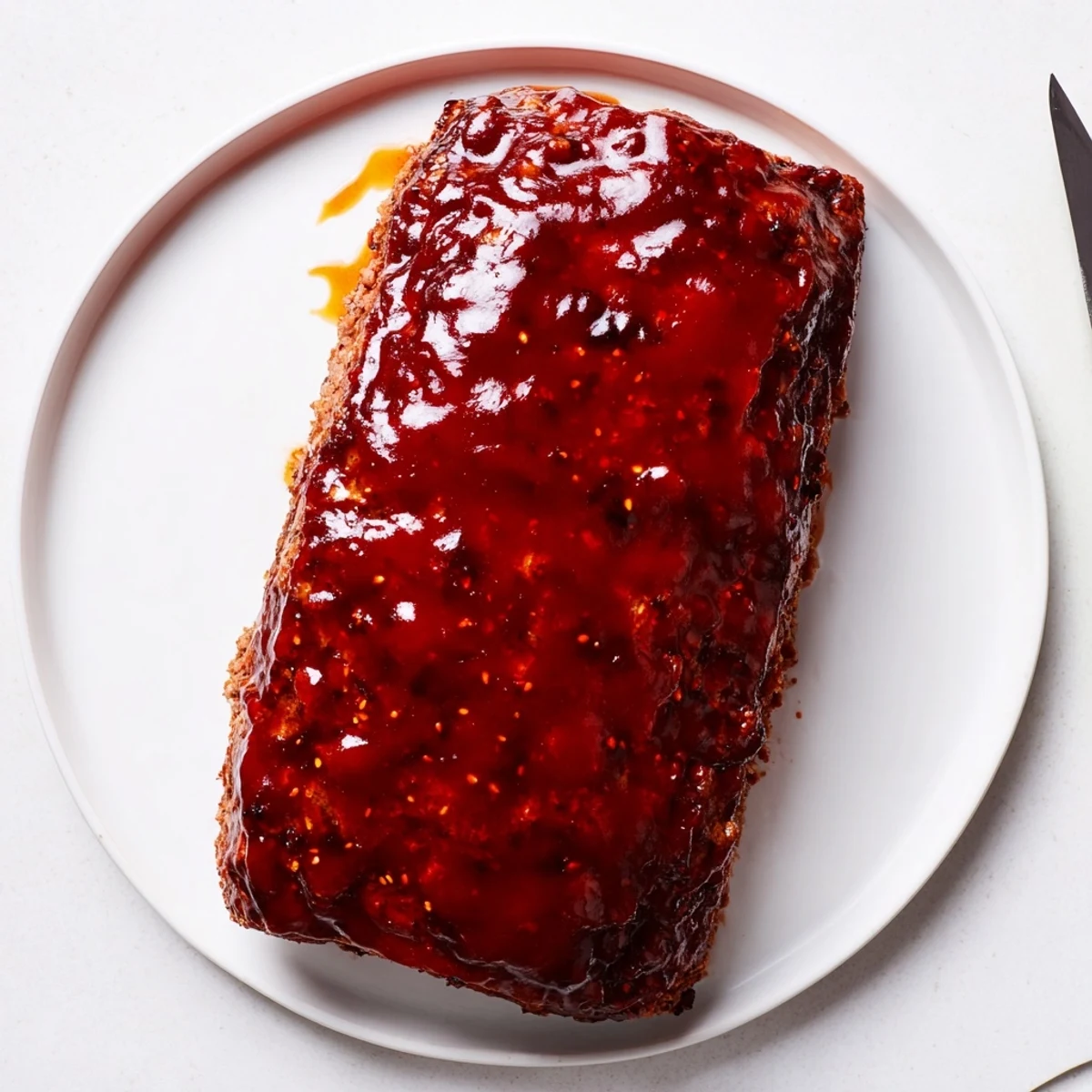
Save This Korean-inspired meatloaf combines ground beef and pork with panko, eggs, and aromatic vegetables like green onions, carrot, garlic, and ginger. The mixture gets depth from gochujang, soy sauce, and toasted sesame oil. While baking, a glossy glaze of gochujang, ketchup, honey, and rice vinegar caramelizes on top, creating a sticky, spicy-sweet finish. The result is a moist, flavorful main that bridges comfort food and Korean cuisine.
The first time my Korean neighbor invited me over for dinner, she served this incredible meatloaf that had our whole apartment building talking. The aroma of toasted sesame and something sweet-spicy drifted through the hallway, drawing curious neighbors to her door. When she revealed her secret was just gochujang in her grandmother's meatloaf recipe, I couldn't believe how such a simple twist could transform something so familiar into something completely new.
Last winter when my brother came home sick, I made this and he ate three helpings despite having almost no appetite. Watching the glaze bubble and caramelize in the oven is one of those simple kitchen joys that makes cooking feel like magic rather than work.
Ingredients
- Ground beef: The 80/20 ratio gives you the perfect balance of flavor and moisture, and after testing leaner versions I can tell you it is just not worth it
- Ground pork: This adds essential fat and sweetness that beef alone cannot provide, making the texture so much more tender
- Panko breadcrumbs: Japanese breadcrumbs create a lighter texture than regular ones and absorb moisture beautifully without getting mushy
- Eggs and whole milk: The protein and fat work together to bind everything while keeping the meatloaf from becoming dense or dry
- Green onions: They provide a mild onion flavor that does not overpower the delicate balance of Korean spices
- Grated carrot: This sneaky addition adds natural sweetness and moisture while providing hidden nutrients
- Garlic and fresh ginger: Fresh aromatics are nonnegotiable here, and I learned the hard way that powdered versions completely ruin the authenticity
- Gochujang in the meat mixture: This Korean chili paste adds fermented depth and subtle heat throughout every single bite
- Gochujang for the glaze: Building layers of flavor means using this in both the meat and on top for maximum impact
- Ketchup and honey: These create that perfect sweet-tangy balance that makes the glaze absolutely irresistible
Instructions
- Get your oven ready:
- Preheat to 375°F and line your loaf pan with parchment paper overhanging the edges for easy removal later.
- Mix everything gently:
- Combine all meat mixture ingredients in a large bowl, mixing just until combined because overmixing makes tough meatloaf every single time.
- Shape your loaf:
- Press the mixture gently into your prepared pan, being careful not to pack it down too tightly.
- Whisk up the magic glaze:
- Stir together all glaze ingredients until smooth, then taste it because this is your last chance to adjust the sweet or heat level.
- First bake with glaze:
- Spread half the glaze over the top and bake for 45 minutes while your kitchen fills with the most amazing smell.
- Final glaze and finish:
- Add the remaining glaze and return to the oven for 10 more minutes until it is beautifully caramelized and reaches 160°F internally.
- The hardest part:
- Let it rest for 10 minutes before slicing because cutting too early lets all those juices escape.
 Save
Save This recipe became our Christmas Eve tradition after the year I accidentally made three meatloaves because I kept forgetting I had already started one.
Making It Your Own
Sometimes I add extra gochugaru when I want more heat, or swap in ground turkey for a lighter version that still delivers on flavor. The beauty of this recipe is how well it adapts to whatever you have on hand.
Serving Ideas
Steamed rice and kimchi are the classic accompaniments that balance the richness perfectly. I have also discovered that leftover meatloaf makes incredible sandwiches the next day.
Storage And Meal Prep
This actually tastes better on day two when the flavors have had more time to develop together.
- Wrap slices individually and freeze for quick weeknight meals
- Store in the refrigerator for up to 5 days in an airtight container
- The glaze reheats beautifully in the microwave without getting weird
 Save
Save Every time I serve this now, someone asks for the recipe, and that is the highest compliment any home cook could receive.
Common Questions
- → What does gochujang taste like?
-
Gochujang delivers a complex flavor profile—sweet, savory, and mildly spicy with fermented depth. It's less hot than fresh chilies but more nuanced than hot sauce.
- → Can I make this gluten-free?
-
Yes. Swap panko for gluten-free breadcrumbs and use tamari instead of soy sauce. Verify your gochujang brand is gluten-free, as some contain wheat.
- → How do I know when it's done?
-
Insert a meat thermometer into the center—it should read 160°F (71°C). The glaze will be bubbling and lightly caramelized, and the meatloaf will pull slightly from the pan edges.
- → Can I use all beef instead of beef and pork?
-
Absolutely. Ground pork adds moisture and fat, but all-beef versions work well. Use 80/20 ground beef to maintain tenderness.
- → What should I serve with this?
-
Steamed white rice balances the heat, while kimchi adds crunch and tang. Simple roasted vegetables or a fresh cucumber salad also complement the bold flavors.
- → How long do leftovers last?
-
Store sliced leftovers in an airtight container for up to 4 days. Reheat gently in the microwave or oven. The flavors often deepen after a day.