
 Save
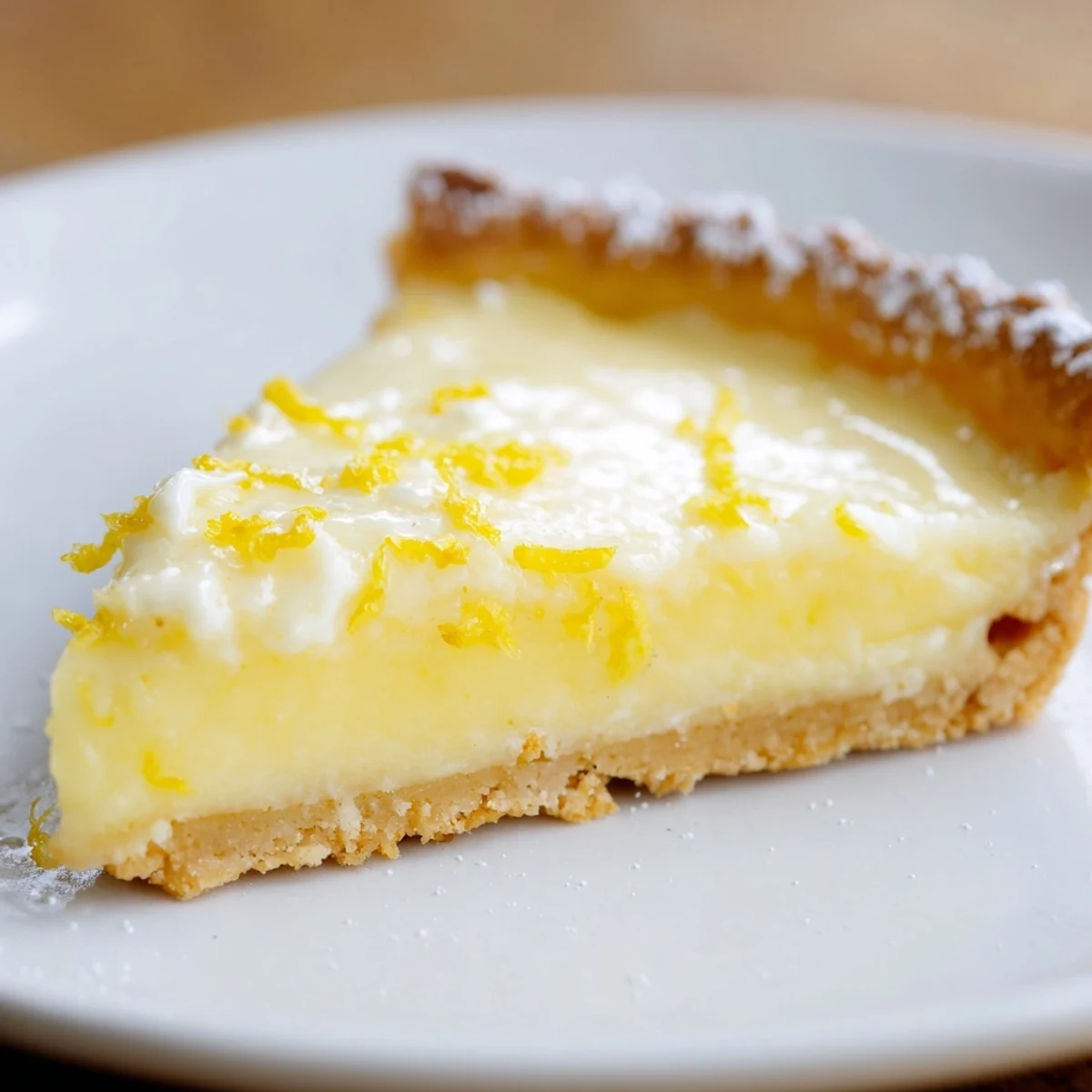
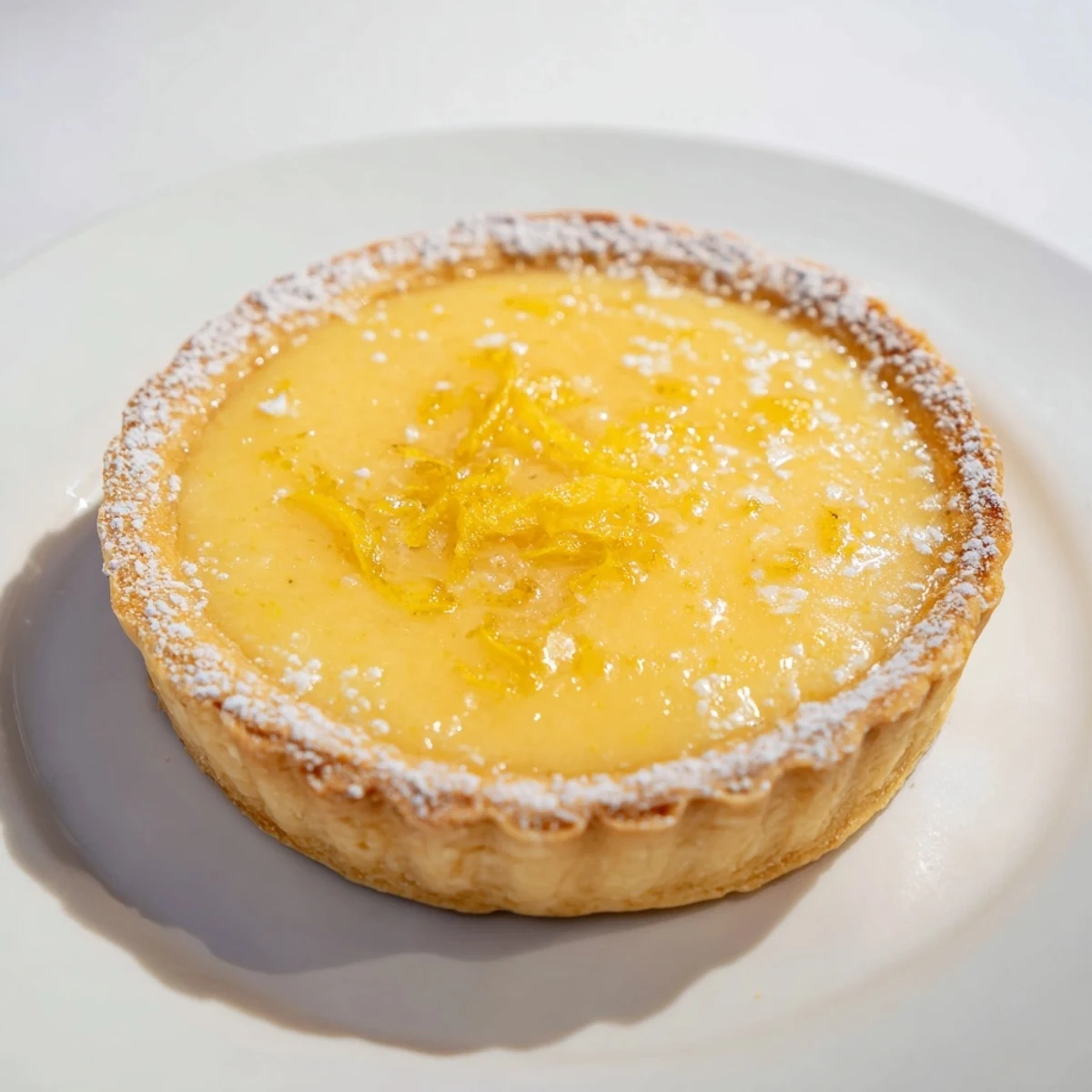
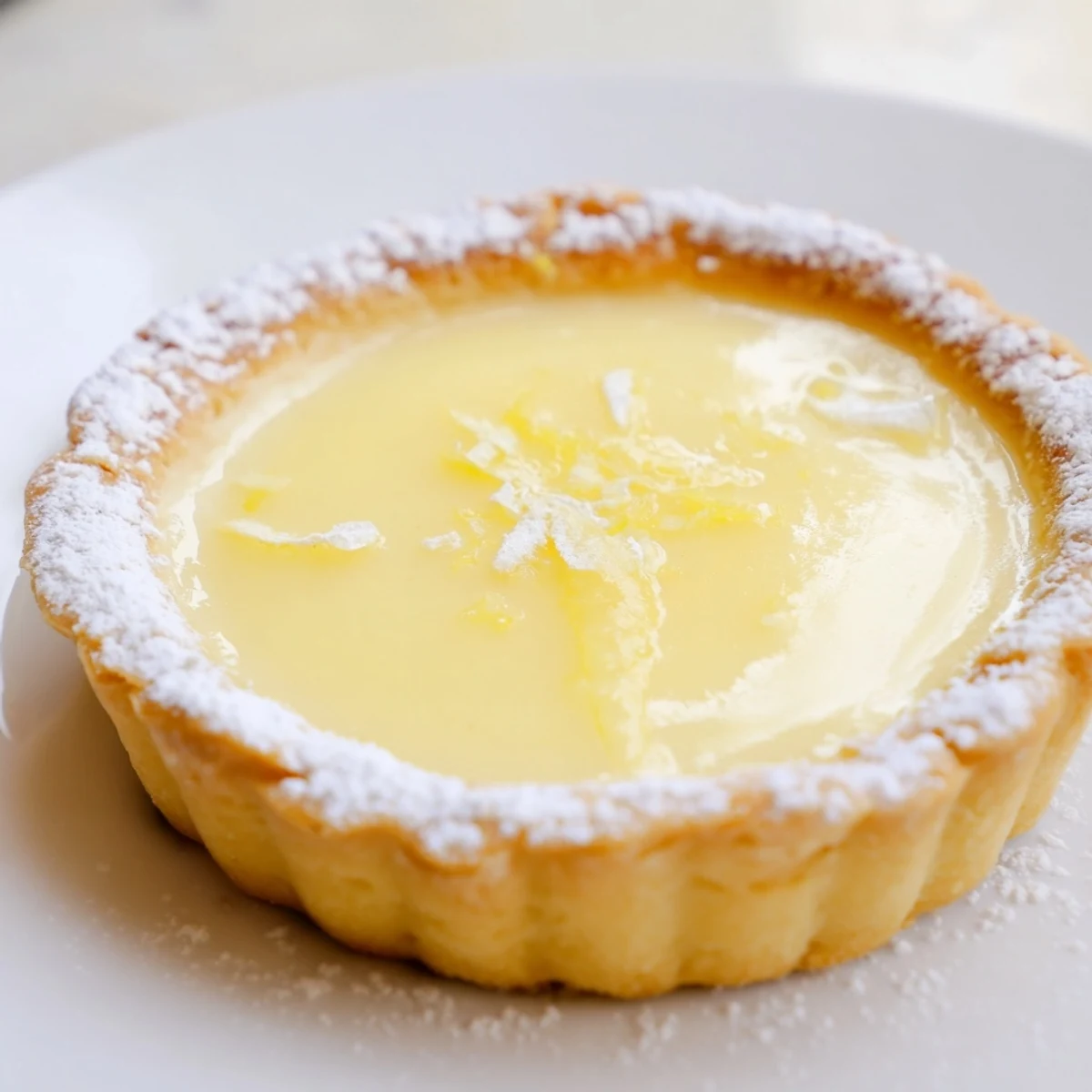
Save This classic lemon tart combines a crisp, buttery shortcrust pastry with a smooth, tangy lemon custard filling. It balances sweet and tart notes beautifully, making it an elegant dessert for any occasion. The crust is prepared with cold butter and sugar, chilled, and baked until golden. The lemon filling blends fresh lemon juice and zest with eggs, sugar, melted butter, and cream, baked until set but still slightly wobbly. Served chilled, it pairs well with fresh berries or a dusting of powdered sugar.
I still remember the first time I made a lemon tart—it was on a rainy afternoon when my grandmother called to share her favorite dessert recipe. She described how the buttery pastry crumbles perfectly between your teeth, giving way to that silky, tart lemon custard that makes your mouth wake up. I was skeptical at first, wondering if something so elegant could really come together in my modest kitchen. But the moment that golden tart came out of the oven, filling the air with bright citrus and toasted butter, I understood why she'd been making it for decades.
Years ago, I brought this tart to a potluck where everyone was skeptical about homemade pastry. By the end of the night, there wasn't a crumb left, and three people asked for the recipe. That's when I realized this wasn't just another dessert—it was a conversation starter, a moment where people slowed down and actually tasted something beautiful.
Ingredients
- All-purpose flour (1 1/4 cups): This is the foundation of your pastry, and using room-temperature flour helps prevent the dough from warming up too much as you work
- Unsalted butter, cold and cubed (1/2 cup for pastry): Cold butter is absolutely essential—it creates those tiny pockets that make the pastry flaky and tender, so keep it in the freezer until the last moment
- Powdered sugar (1/4 cup): This dissolves into the dough more easily than granulated sugar, giving you a subtle sweetness without grittiness
- Egg yolk (1 large): The yolk acts as a binder and creates richness; the white would toughen the pastry
- Cold water (1–2 tbsp): Add just enough to bring the dough together—too much and your pastry becomes tough
- Salt (pinch): Even a small amount brightens the butter flavor and balances the sweetness
- Fresh lemon juice (3/4 cup): Fresh is non-negotiable here; bottled juice lacks the brightness that makes this tart sing
- Lemon zest (from 2 lemons): The zest holds the most fragrant oils, so use a microplane for the finest pieces that distribute evenly
- Granulated sugar (1 cup): This sweetens the filling without crystallizing during baking; you can reduce it slightly if you prefer extra tartness
- Large eggs (4): They emulsify the filling and create that silky, custard-like texture
- Melted butter (1/2 cup): Melted and slightly cooled butter ensures it doesn't scramble the eggs when combined
- Heavy cream (1/4 cup): This adds richness and helps create that velvety mouthfeel that sets this apart from a simple lemon curd
Instructions
- Prepare your oven:
- Get your oven preheating to 350°F (175°C) so it's ready when you need it. This moderate temperature bakes the filling gently without browning the pastry too quickly.
- Make the pastry base:
- In a bowl, combine flour, powdered sugar, and a pinch of salt. Now here's the technique: add your cold, cubed butter and use your fingertips to rub it in until the mixture looks like breadcrumbs. This is actually quite satisfying to do—you'll feel the butter breaking down under your fingers. Add the egg yolk and 1 tablespoon of cold water, then mix gently until the dough just comes together. The key word is "just"—you want a shaggy dough, not a smooth ball. If it's too dry, add another tablespoon of water.
- Chill the dough:
- Shape your dough into a flat disk, wrap it in plastic wrap, and refrigerate for 20 minutes. This resting period lets the gluten relax and the butter resolidify, both crucial for a flaky crust.
- Line the tart pan:
- Roll out your chilled dough on a lightly floured surface until it's about 1/8-inch thick and large enough to fit your 9-inch tart pan. Press it gently into the pan, making sure it goes into the corners and sits evenly. Trim any excess dough hanging over the edge, then prick the base all over with a fork—this prevents puffing.
- Blind bake the crust:
- Line the pastry with parchment paper and fill it with pie weights (or dried beans). Bake for 15 minutes until the edges start to turn light golden. Remove the weights and parchment carefully—the crust should still be pale. Bake for another 8–10 minutes until it's a light golden color. Let it cool for just a minute or two while you prepare the filling.
- Whisk the filling:
- In a large bowl, whisk together eggs and sugar until the mixture is pale and smooth, about 2–3 minutes. Add the lemon juice, zest, melted and slightly cooled butter, and heavy cream. Whisk until everything is fully combined and smooth. The filling should taste bright and tangy, with no grittiness from undissolved sugar.
- Pour and bake:
- Pour your filling into the warm tart shell. Bake for 20–25 minutes—you're looking for the filling to be mostly set but with a slight wobble in the very center when you gently shake the pan. It will continue to cook slightly as it cools. Overbaking creates a grainy, curdled filling, so resist the urge to leave it in too long.
- Cool and chill:
- Transfer the tart to a wire rack and let it cool completely at room temperature. Once cool, refrigerate for at least 2 hours before slicing. This chilling time is when the flavors meld and the texture becomes perfectly set.
- Finish and serve:
- Just before serving, you can dust the top lightly with powdered sugar or arrange fresh berries on top for color. Serve each slice with a dollop of whipped cream or a small scoop of vanilla ice cream to play against the tartness.
 Save
Save I'll never forget watching my eight-year-old nephew take his first bite of this tart at a family dinner. His eyes went wide—he'd never experienced that sharp-sweet balance before, and he kept asking for more until I had to gently suggest he pace himself. Seeing someone discover that flavor combination for the first time reminded me why I love making this dessert so much.
Getting the Pastry Right
The pastry is where most people either succeed or struggle, and it all comes down to temperature and technique. The goal is to keep the butter separate from the flour as long as possible, so it creates layers of flakiness rather than blending into a uniform dough. This is why keeping everything cold matters so much—work quickly, use cold water, and if your kitchen is very warm, even refrigerate your mixing bowl and utensils. I've learned that if you take even a few extra minutes, the pastry becomes tough and dense. When it's done right, the pastry tastes like a buttery shortbread cookie, and it should crumble slightly when you slice through it.
Understanding the Filling
The filling is essentially a custard made with eggs, and custards can be temperamental if you're not careful. The cream and butter work together to create richness and smoothness, while the lemon juice provides acid, which helps set the custard and brightens everything. The lemon zest adds little bursts of intense flavor, so don't just squeeze the juice and call it done—zest matters. One thing I discovered through trial and error: using room-temperature or melted butter ensures it doesn't seize up when it meets the eggs. And straining the filling before baking removes any bits of scrambled egg that might have formed during whisking, giving you that restaurant-quality silky texture.
Serving Suggestions and Variations
This tart is versatile enough to adapt to what you have on hand or what flavors you're craving. The beauty of the basic recipe is that you can play with it while keeping the structure intact. Some of my favorite discoveries came from experimenting with different approaches and listening to friends share what worked for them.
- For a sharper tart, reduce the sugar by 1/4 cup or use Meyer lemons, which are slightly sweeter and less acidic, and you'll notice the difference immediately
- Try substituting lime juice and zest for an exotic twist, or use orange for something warmer and more floral—the ratio stays the same, so the technique never changes
- Pair slices with a glass of chilled Sauternes or Moscato, which echoes the citrus notes and adds elegance to any gathering
 Save
Save Every time I make this tart, I'm reminded that the best desserts are the ones that bring people together and make them pause, smile, and savor the moment. This is that dessert.
Common Questions
- → What type of flour is ideal for the crust?
-
All-purpose flour works best to create a tender yet sturdy shortcrust base.
- → How do I achieve a crisp crust?
-
Chilling the dough before rolling and blind baking with weights ensures a crisp, golden crust.
- → Can I adjust the tartness of the lemon filling?
-
Yes, reducing the sugar amount will enhance the tartness without overpowering the balance.
- → Is it necessary to refrigerate the tart before serving?
-
Refrigerating for at least two hours helps the filling set properly and enhances the flavors.
- → What are some garnish ideas?
-
Fresh berries, a dusting of powdered sugar, or a dollop of whipped cream complement the tart beautifully.