
 Save
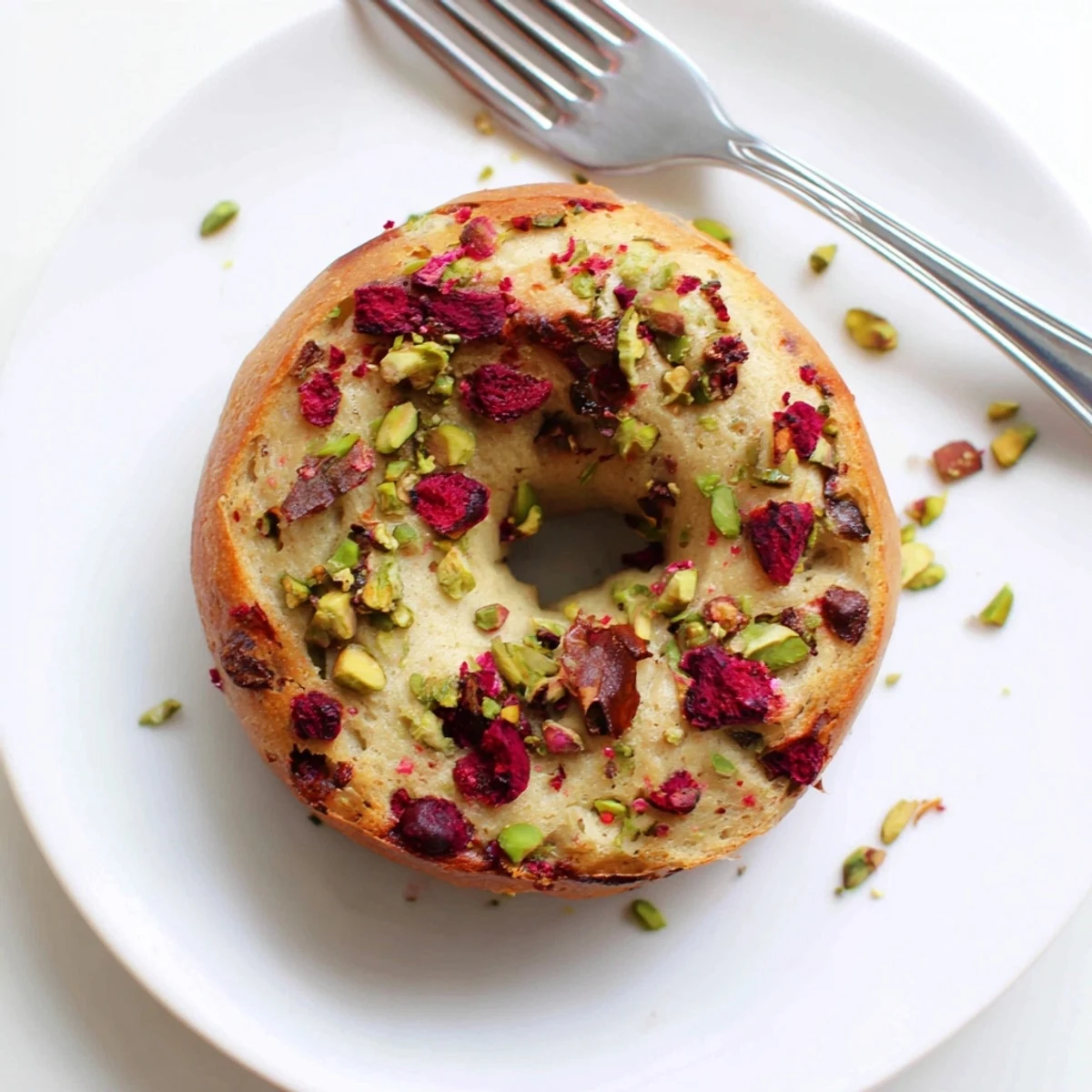
Save These artisan sourdough bagels combine the tangy depth of fermented dough with bursts of sweet freeze-dried raspberries and the satisfying crunch of pistachios.
The overnight fermentation develops complex flavor while the poaching step creates that signature chewy exterior and shiny crust.
Perfect for weekend baking projects, these colorful bagels toast beautifully and pair wonderfully with cream cheese or butter.
The farmers market had run out of everything except bags of freeze-dried raspberries that Saturday morning, and I stood there wondering what possessed me to buy them. Three days later, staring at my bubbling sourdough starter and those vivid pink fragments, the answer arrived in a flash of breakfast brilliance. Now my family requests these bagels for every special occasion, and I have to hide the pistachios or they disappear before mixing even begins.
My sister walked into the kitchen while these were poaching and immediately asked what smelled like a bakery had exploded in my home. She ended up staying for coffee and three bagels, texting me the next day that she could not stop thinking about them. Sometimes the best recipes find you on ordinary weekends when you are just trying to use up odd ingredients.
Ingredients
- Active sourdough starter: Use starter at its peak bubbly stage for the best rise and that distinctive tang.
- Bread flour: The higher protein content creates that dense, chewy bagel texture we all crave.
- Freeze-dried raspberries: These rehydrate during fermentation and baking, distributing tart flavor without making the dough too wet.
- Shelled pistachios: Rough chop them so you get satisfying crunch in every bite without overwhelming the dough.
- Honey: A touch in both the dough and poaching liquid helps achieve that gorgeous golden crust.
- Baking soda: This alkaline bath is what gives bagels their shiny exterior and distinctive flavor.
Instructions
- Wake up the starter:
- Whisk your active starter into warm water until fully dissolved, creating a cloudy foundation that smells faintly tangy and alive.
- Build the dough:
- Add flour, sugar, salt, honey, pistachios, and those beautiful pink raspberries, mixing until everything comes together in a shaggy mass.
- Develop the gluten:
- Knead firmly for about ten minutes, feeling the dough transform from sticky and unruly to smooth and springy under your palms.
- The long rest:
- Cover your bowl and let time do the work, allowing eight to twelve hours for fermentation to develop flavor and texture.
- Shape the bagels:
- Divide the dough into eight pieces, roll into balls, then poke through the center and stretch gently until you have that classic ring shape.
- The final proof:
- Let shaped bagels rest under a cloth for about an hour, watching them puff slightly as they prepare for their hot water bath.
- Prepare for baking:
- Heat your oven and bring the poaching liquid to a gentle simmer, getting ready for the step that makes a bagel truly a bagel.
- The poach:
- Drop bagels into simmering water for about forty five seconds per side, watching them float and puff before scooping them back to the tray.
- Add the finish:
- Sprinkle with extra pistachios and raspberry pieces while the surface is still slightly tacky so everything adheres during baking.
- Bake to golden:
- Slide the tray into your hot oven for about twenty two minutes, until deep golden and smelling absolutely irresistible.
 Save
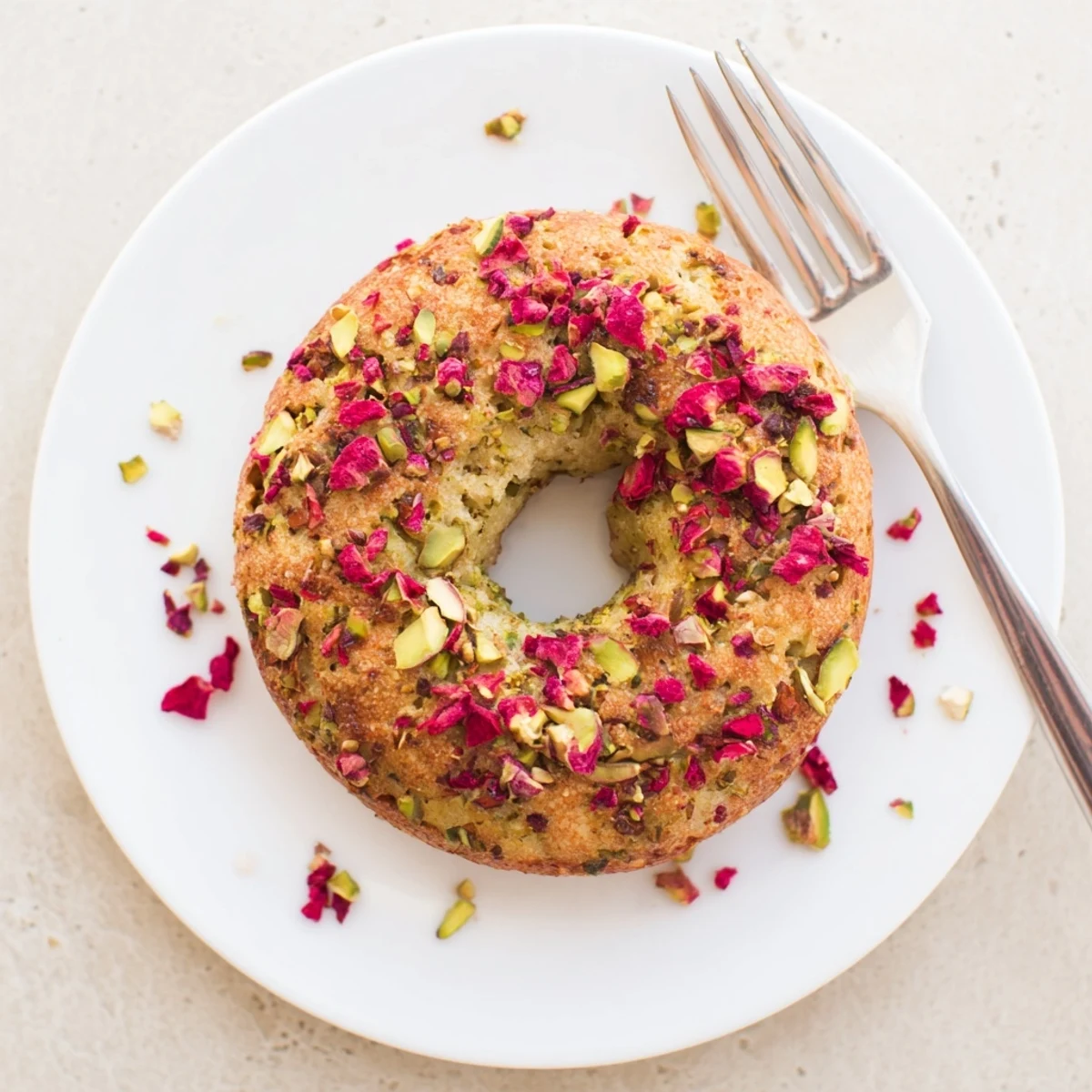
Save I brought a dozen of these to a brunch potluck expecting them to be a side dish, but they became the main event. Watching friends bite into that purple swirled crumb and close their eyes made every minute of fermentation worth it. Food that makes people pause mid conversation is the highest compliment a home baker can receive.
Working with Sourdough Timing
The twelve hour ferment is not just tradition but chemistry working in your favor. Your starter needs time to break down proteins and develop those complex flavors, so resist any urge to rush. I usually mix the dough before bed and shape bagels first thing in the morning with coffee in hand.
Why Poaching Matters
That brief bath in alkaline water does more than create shine on your finished bagels. The heat sets the outer layer of dough, which prevents them from rising too much in the oven and keeps that dense interior intact. Skipping this step gives you round bread instead of true bagels.
Storage and Serving
These bagels stay fresh for about three days at room temperature but freeze beautifully for longer storage.
- Slice before freezing so you can toast individual halves straight from frozen.
- Cream cheese with a little honey mixed in makes an excellent spread.
- A thin layer of raspberry jam transforms breakfast into something that feels almost like dessert.
 Save
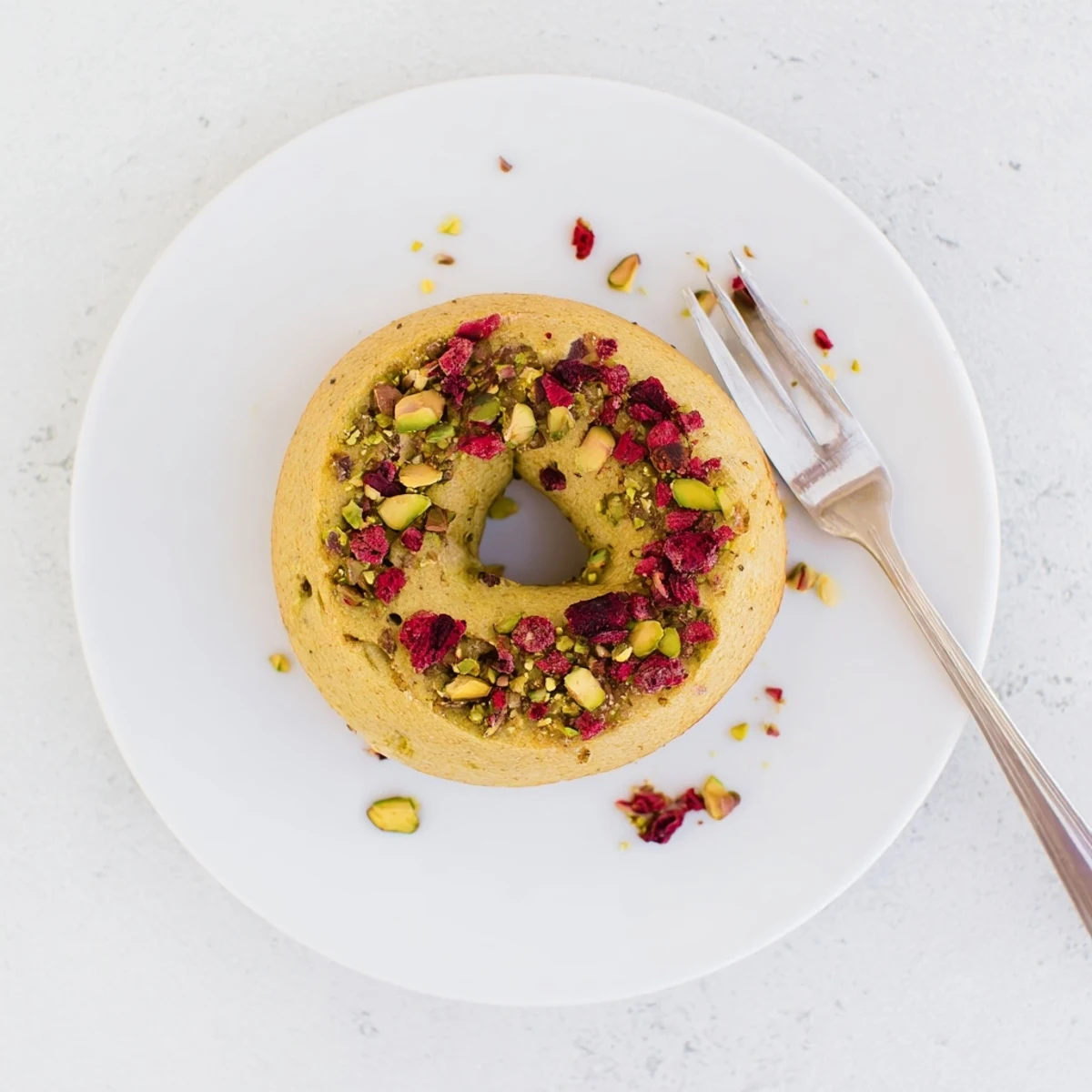
Save Once you master these, you will find yourself experimenting with other fruit and nut combinations all year long. The sourdough method works beautifully for so many flavors, but something about raspberry and pistachio keeps calling me back.
Common Questions
- → Can I use fresh raspberries instead of freeze-dried?
-
Fresh raspberries can be used but will add moisture to the dough. Reduce the water by approximately 25ml and handle the dough gently to prevent the berries from breaking down too much during kneading.
- → Why do bagels need to be poached before baking?
-
Poaching gelatinizes the outer starch layer, creating the signature chewy crust and shiny appearance. The baking soda in the water promotes browning and adds a subtle pretzel-like flavor.
- → How long should the sourdough starter ferment?
-
Use an active, bubbly starter that has been fed 4-8 hours prior. The dough itself ferments for 8-12 hours at room temperature, developing tangy flavor and proper texture.
- → Can I freeze these bagels after baking?
-
Yes, baked bagels freeze excellently. Cool completely, then freeze in airtight bags for up to 3 months. Toast directly from frozen for best results.
- → What can I substitute for pistachios?
-
For nut allergies, try sunflower seeds, pumpkin seeds, or simply omit them. Toasted seeds provide similar crunch without the allergen concerns.
- → How do I know when the dough has fermented enough?
-
The dough should double in size and feel puffy and airy. When pressed gently with a floured finger, the indentation should slowly spring back but remain slightly visible.