
 Save
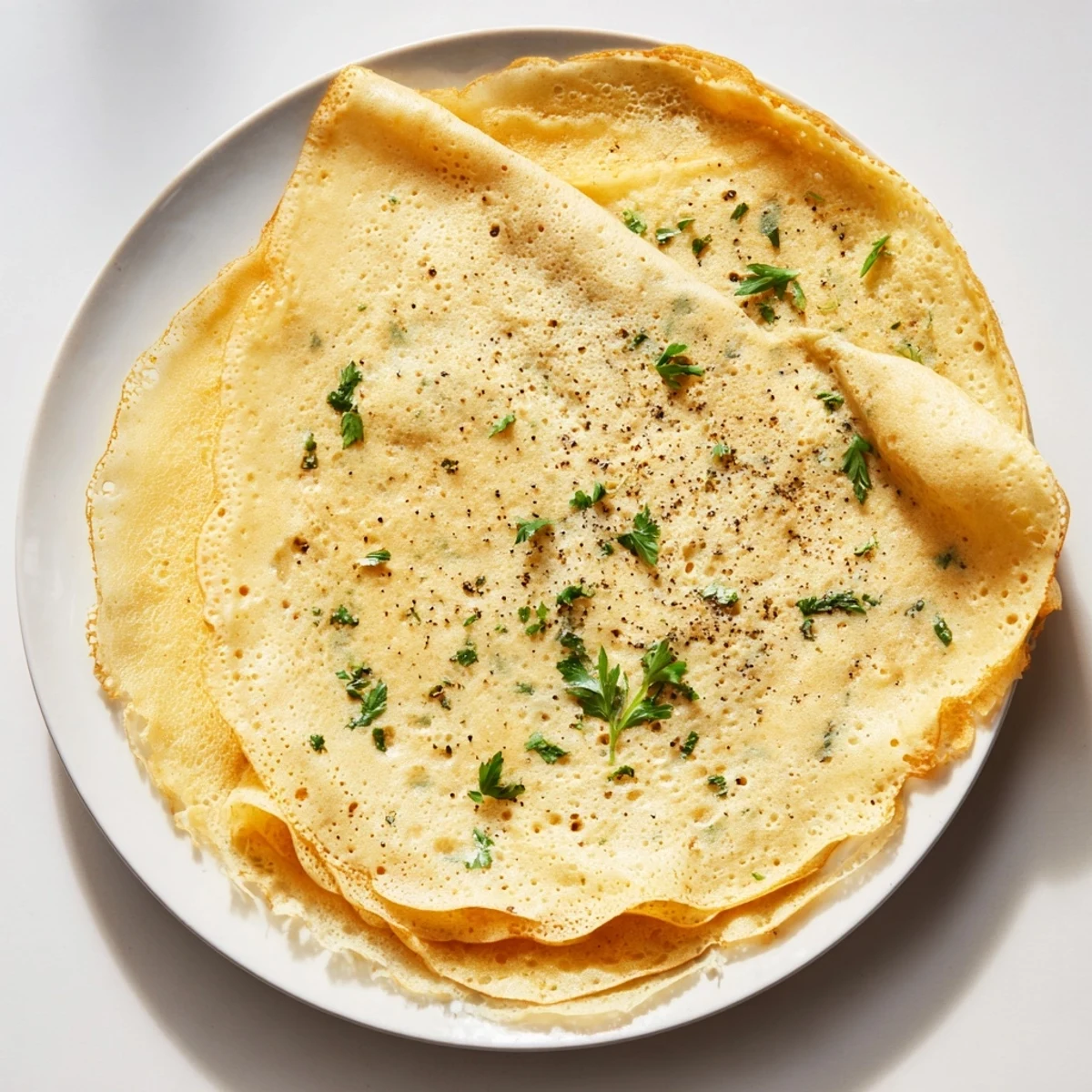
Save This delicate French-style crepe shell features a thin batter of flour, eggs, milk, and melted butter seasoned with salt and pepper. After resting to hydrate, it's cooked briefly on a lightly greased skillet until golden and flexible. Ideal for wrapping sautéed mushrooms, spinach, ham, cheese, or ratatouille, these crepes provide a versatile base for flavorful meals. They can be made ahead, refrigerated or frozen, making meal prep convenient and delicious.
I still remember the first time I made crepes in my tiny Parisian apartment kitchen, watching the batter transform into something almost impossibly delicate. My neighbor, Marie, had insisted I learn this one technique before leaving France, swearing it would change how I cooked forever. She was right. Those paper-thin shells became my answer to everything—a canvas for whatever I had on hand, from leftover roasted vegetables to creamy cheese and herbs. Now, years later, I make them the way she taught me, and they never fail to feel like a small moment of magic.
I'll never forget cooking these for my friend's dinner party when she was too stressed about the main course. I quietly made a batch of crepes filled with sautéed mushrooms and fresh herbs, and they completely stole the show. Everyone thought I'd spent hours in the kitchen, but I just stood there smiling, knowing the secret was in the technique, not the time.
Ingredients
- All-purpose flour (1 cup, 125 g): This is your structure—it needs to be measured carefully, so spoon and level it rather than scooping straight from the bag, otherwise you'll end up with thick, chewy crepes instead of delicate ones
- Large eggs (2): They bind everything together and create that silky richness that makes crepes so satisfying, room temperature works best
- Whole milk (1 1/4 cups, 300 ml): This gives the batter the right consistency for swirling, and the fat content matters—it's worth using real milk, not a thin substitute
- Unsalted butter, melted (2 tbsp, 30 g, plus extra for greasing): The melted butter makes them tender and adds that subtle French richness, and having extra for the pan is crucial because you need just the right amount of grease
- Fine sea salt (1/4 tsp): A small amount makes everything taste more like itself, enhancing the subtle flavor without making them salty
- Freshly ground black pepper (1/4 tsp): This is the secret that elevates savory crepes—it whispers in the background, reminding you these are meant for real food, not dessert
Instructions
- Start with a strong foundation:
- Whisk the flour and salt together in a large bowl, making sure there are no lumps hiding in the corners. This small step prevents streaks of raw flour in your finished crepes.
- Create your well:
- Make a little crater in the center of your flour mixture and crack both eggs right into it. Start whisking slowly, pulling just a bit of flour in from the sides—it feels almost like coaxing rather than mixing, and that's exactly right.
- Bring it together gently:
- Now slowly pour in the milk while whisking, watching the batter go from thick and lumpy to smooth and silky. This is meditative work, and rushing it shows in the crepes.
- Add richness and seasoning:
- Pour in that melted butter and grind in the black pepper, whisking just until everything is combined. The batter should look like thin pancake batter, pourable but not watery.
- Let time do the work:
- Rest the batter at room temperature for at least 15 minutes, or up to an hour. I always use this time to set up my pan and prep my workspace—the batter gets better as the flour fully hydrates and air bubbles escape.
- Heat your pan with intention:
- Place a nonstick 9-inch skillet over medium heat and let it warm thoroughly. Lightly butter it—and here's what I learned the hard way: use barely enough to coat, because too much makes them greasy and too little makes them stick.
- Swirl with confidence:
- Pour about 1/4 cup of batter into the center and immediately tilt and swirl the pan, letting the batter spread into a thin, even layer. This part feels awkward at first, but trust the motion—the batter wants to spread.
- Cook until golden:
- Let it cook for 1 to 2 minutes until the edges start to lift slightly away from the pan and the bottom is lightly golden. This is when you know it's ready to flip without tearing.
- The flip:
- Using a spatula, gently slide under the crepe and flip it quickly. The other side only needs 30 to 60 seconds—it won't be as golden, but that's perfect.
- Stack with patience:
- Transfer finished crepes to a plate and let them cool slightly. Stack them with parchment paper between each one so they don't stick together, and by the time you're finished, the early ones are cool enough to fill.
 Save
Save The most surprising gift this recipe gave me was the realization that cooking doesn't have to be complicated to be impressive. Once I mastered this one simple technique, I could walk into someone's kitchen with nothing but flour and eggs and somehow create something that made people feel cared for. That's when cooking stopped being about following instructions and started being about connection.
Making Them Your Own
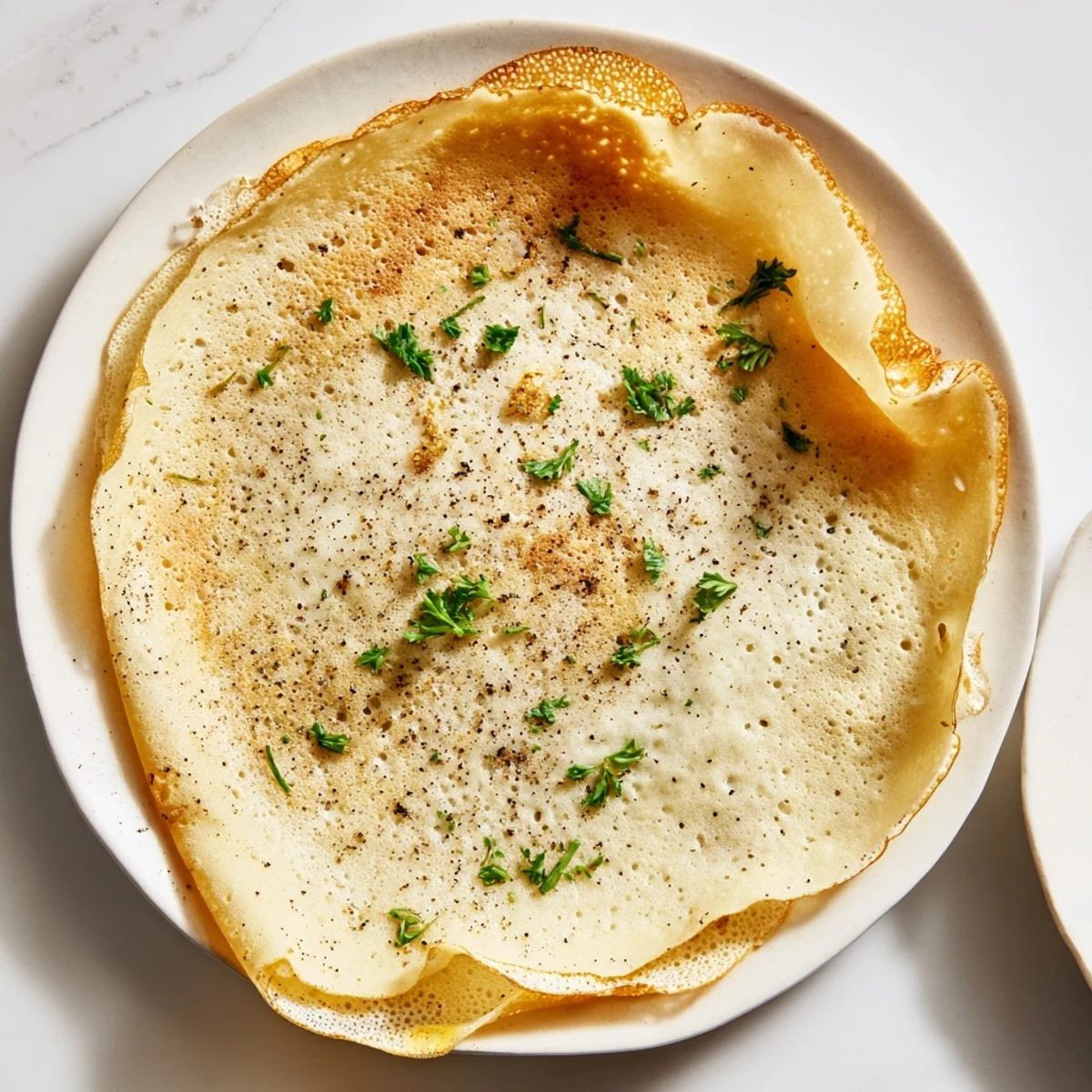
The batter is a blank canvas waiting for your personality. I've added chopped fresh herbs—chives, parsley, and dill are my go-to combination—right into the batter, which transforms them from neutral to boldly flavorful. Some cooks add a tablespoon of Dijon mustard for a subtle sharpness, others grate in a tiny bit of nutmeg. The beauty is that you can taste the batter as you go and adjust until it feels right to you. Even a whisper of garlic powder or a fresh grind of more pepper can completely change the story the crepes tell.
Filling Ideas That Work
Once you have these shells, you have an elegant foundation for anything savory. Sautéed mushrooms with shallots and thyme are my favorite, but I've also filled them with creamy spinach, thin slices of ham with Gruyère, sautéed ratatouille, or even just a simple mixture of ricotta with fresh herbs and lemon. The crepes just elevate whatever you put in them, turning everyday ingredients into something that feels like you spent all afternoon cooking. The key is not to overfill—a 2-tablespoon filling in the center lets you fold or roll them without bursting.
Storing and Making Ahead
One of the best-kept secrets about crepes is that they actually improve with a day of rest. I've made them on a lazy Sunday afternoon, stacked them in the fridge, and pulled them out two days later to find they've mellowed and become even more tender. They refrigerate beautifully for up to two days in a covered container, and they freeze for a full month if you separate them with parchment paper. On mornings when I want something impressive for breakfast or lunch, I just thaw them gently and fill them while they're still cool—it's one of my favorite shortcuts.
- Always separate with parchment between each crepe before stacking or storing, or they'll fuse into one impossible mass
- Bring refrigerated crepes close to room temperature before filling them so they're pliable and less likely to tear
- If you freeze them, a gentle 30-second warm-up in a dry pan brings back their suppleness perfectly
 Save
Save There's something almost meditative about making crepes—the repetition, the small adjustments, the way the pan becomes an extension of your hand. I hope you find that same quiet joy I did, and that these delicate shells become as much a part of your kitchen as they are of mine.
Common Questions
- → What ingredients are needed for the crepe batter?
-
Flour, eggs, whole milk, melted unsalted butter, salt, and freshly ground black pepper form the basis of the batter.
- → How do I ensure thin, delicate crepes?
-
Whisk batter thoroughly until smooth, let it rest for at least 15 minutes, then use a nonstick skillet with light grease, pouring a small amount to evenly coat the pan.
- → Can I add herbs to the batter?
-
Yes, incorporating fresh chopped herbs like chives, parsley, or dill enhances flavor without impacting texture.
- → What fillings work well with these crepe shells?
-
Sautéed mushrooms, spinach, diced ham, cheeses, or ratatouille are excellent savory options to complement the delicate crepes.
- → How long can crepes be stored?
-
Crepes keep well refrigerated for up to two days or frozen for one month, allowing flexible meal preparation.