
 Save
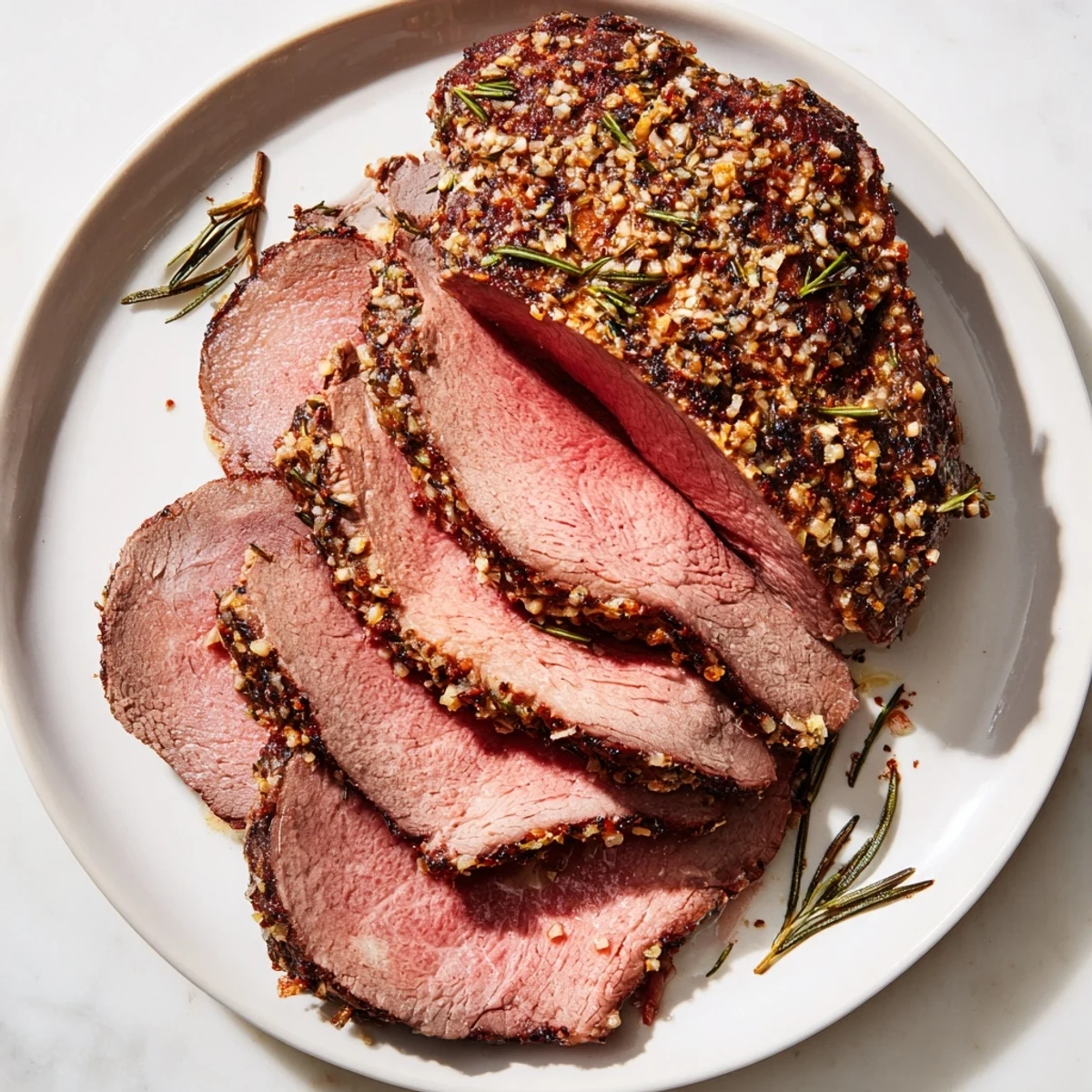
Save This dish features a succulent beef sirloin or rib roast rubbed with olive oil, Dijon mustard, garlic, and fresh herbs, then oven-roasted to perfection. The crust forms a flavorful layer sealing in juiciness, while resting after cooking ensures tender slices. Roasted vegetables and optional rich gravy enhance the meal, creating a classic centerpiece ideal for celebrations or comforting Sunday dinners.
There's something about the smell of a roast beef browning in the oven that makes a kitchen feel like home, even if you've never cooked one before. I learned to make this dish on a grey Sunday afternoon when my partner challenged me to stop ordering takeaway and prove I could do better. What started as nervous hovering over a meat thermometer turned into the kind of meal that made everyone go quiet for a moment before diving in—the kind that reminds you why people gather around tables.
I remember plating the first one for a dinner party where I was terrified of overcooking it, so I checked the temperature roughly seventeen times. When I finally sliced through and saw that perfect pink center, there was this collective exhale at the table—suddenly I wasn't the nervous home cook anymore, I was someone who'd created something genuinely good.
Ingredients
- Beef sirloin or rib roast (1.5 kg): Buy it at room temperature if you can; it cooks more evenly and helps the crust develop properly, something I learned after one tough early attempt.
- Olive oil (2 tbsp): Helps the seasoning paste cling to the meat and encourages that gorgeous golden-brown exterior.
- Kosher salt and black pepper (2 tsp and 1½ tsp): Don't skip seasoning the meat generously—it's what separates a flat roast from one that tastes like actual food.
- Dijon mustard (2 tsp): Adds a subtle tang and helps the crust develop without overpowering the beef.
- Garlic and fresh herbs (2 cloves minced, 2 tsp rosemary, 2 tsp thyme): These are where the flavor depth comes from, so use fresh if at all possible.
- Carrots, onion, celery (optional): They roast under the beef, catching its juices and becoming deeply sweet—pure comfort on a plate.
- Beef stock (250 ml) and flour or cornstarch (1 tbsp): For gravy that tastes like it took hours, made in about five minutes from the pan drippings.
Instructions
- Set your oven and prep the meat:
- Preheat to 220°C (425°F). Pat your beef completely dry with paper towels—moisture is the enemy of a good crust, so don't rush this step. You want it almost aggressively dry to the touch.
- Build your seasoning paste:
- In a small bowl, mix the olive oil, salt, pepper, mustard, minced garlic, and fresh herbs into a thick paste. Rub it all over the beef with your hands, making sure every surface gets covered and the flavors cling to the meat.
- Arrange your pan:
- If you're roasting vegetables, scatter the carrots, onion, and celery in your roasting pan. Place the beef on top of them, or on a rack if you prefer—either way works, but vegetables catch beautiful drippings for gravy.
- Start hot, then lower the heat:
- Roast at the high temperature for 15 minutes to get that crust sizzling and golden. You'll hear it crackling—that's the sound of flavor happening. Then lower the heat to 180°C (350°F) and roast for about 65 minutes for medium-rare (aiming for 55°C internal temp).
- The resting moment:
- Pull the roast out, tent it loosely with foil, and let it sit for 20 minutes before slicing. This isn't wasted time—it's when the meat relaxes and reabsorbs its juices, which means every bite stays tender instead of drying out.
- Make your gravy (if using):
- Pour off most of the fat from the pan, leaving the flavorful browned bits behind. Add beef stock, bring it to a simmer on the stovetop, and whisk in flour or cornstarch until it reaches the consistency you like. Taste and season.
- Slice and serve:
- Cut the beef against the grain in clean, confident strokes. Plate it with the roasted vegetables and pour that gravy over everything.
 Save
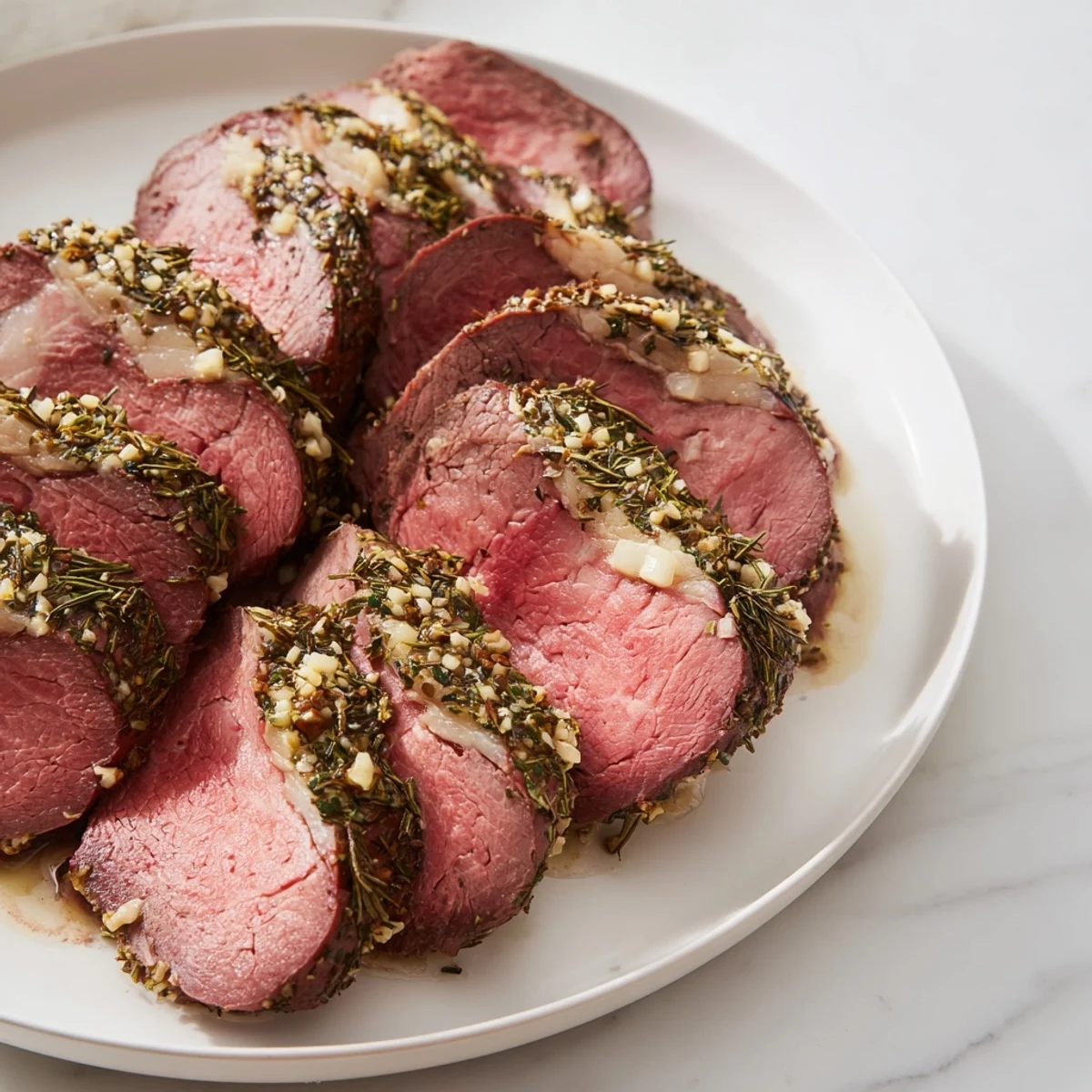
Save The moment I realized roast beef was my thing came when someone asked for the recipe at a casual dinner, and I understood that I'd made something memorable enough to repeat. It's not complicated or fancy, but it's honest—it tastes like care and attention, and somehow that matters more than complexity.
Doneness Temperatures Explained
Internal temperature is your best friend here, not the clock on the wall. Rare is 50°C (122°F), medium-rare is 55°C (130°F), medium is 60°C (140°F)—pick the one that speaks to your taste, and pull the roast out when it hits that mark. The meat will continue cooking slightly while it rests, so pull it a degree or two before your target if you like it on the rarer side.
Why This Becomes a Tradition
Roast beef is one of those dishes that tastes like Sunday afternoons, like family gathered around a table that suddenly feels warmer. It's forgiving enough for beginners but impressive enough to serve when you want people to know you care, which is maybe the best combination a recipe can offer.
Wine Pairing and Classic Sides
A bold red wine like Cabernet Sauvignon or Malbec is practically made for this—the tannins cut through the richness of the beef and the gravy beautifully. Yorkshire pudding is the traditional companion if you want to go full comfort mode, or horseradish sauce if you prefer something sharp and quick to make. Simple roasted potatoes with the pan drippings are equally perfect and require zero extra work.
- Make Yorkshire pudding in the oven while the beef rests if you want the full traditional experience.
- Horseradish paste from a jar is honest and delicious, no shame in using it instead of making fresh.
- Roast your potatoes in the same pan as the beef for maximum flavor transfer and minimal cleanup.
 Save
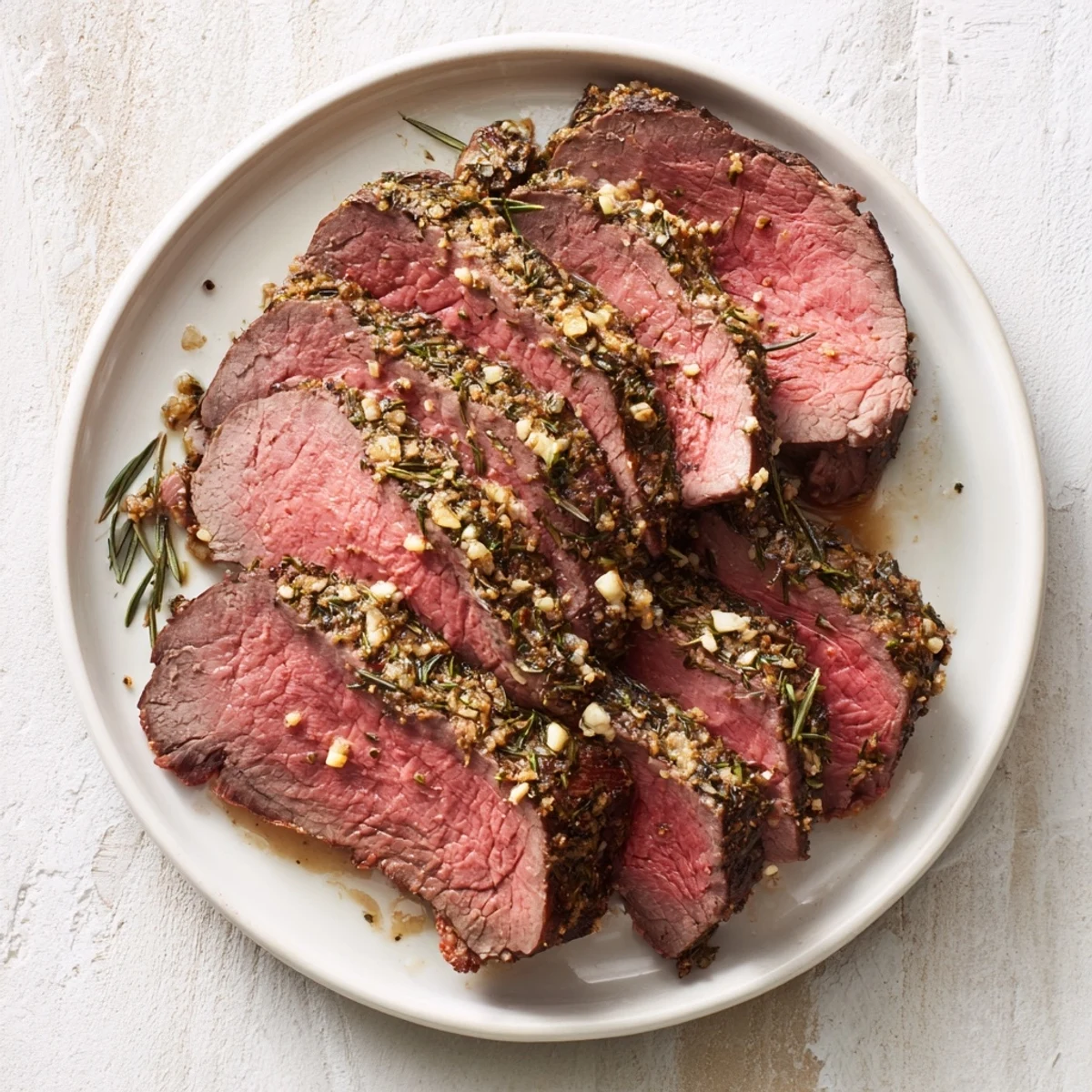
Save This recipe is proof that the best meals don't have to be complicated—they just have to be made with a little attention and care. Once you've made it once, it becomes the thing you reach for whenever you want to feel like a capable, confident cook.
Common Questions
- → What cut of beef works best for this roast?
-
Beef sirloin or rib roast are ideal cuts, offering a balance of tenderness and flavor when cooked properly.
- → How do I achieve a flavorful crust?
-
Rubbing the beef with olive oil, Dijon mustard, garlic, and fresh rosemary and thyme creates a savory crust during roasting.
- → Should I rest the beef after cooking?
-
Yes, resting the roast loosely tented for about 20 minutes allows juices to redistribute, resulting in tender, juicy slices.
- → Can roasted vegetables be cooked together with the beef?
-
Absolutely, placing carrots, onions, and celery beneath the roast lets them absorb flavorful drippings while cooking slowly to tenderness.
- → How can I make a gravy to accompany the beef?
-
Drain excess fat from the roasting pan, simmer with beef stock, and whisk in flour or cornstarch until thickened for a rich gravy.
- → What internal temperature indicates medium doneness?
-
Medium doneness is reached at approximately 60°C (140°F) internal temperature, ensuring a pink, tender center.