
 Save
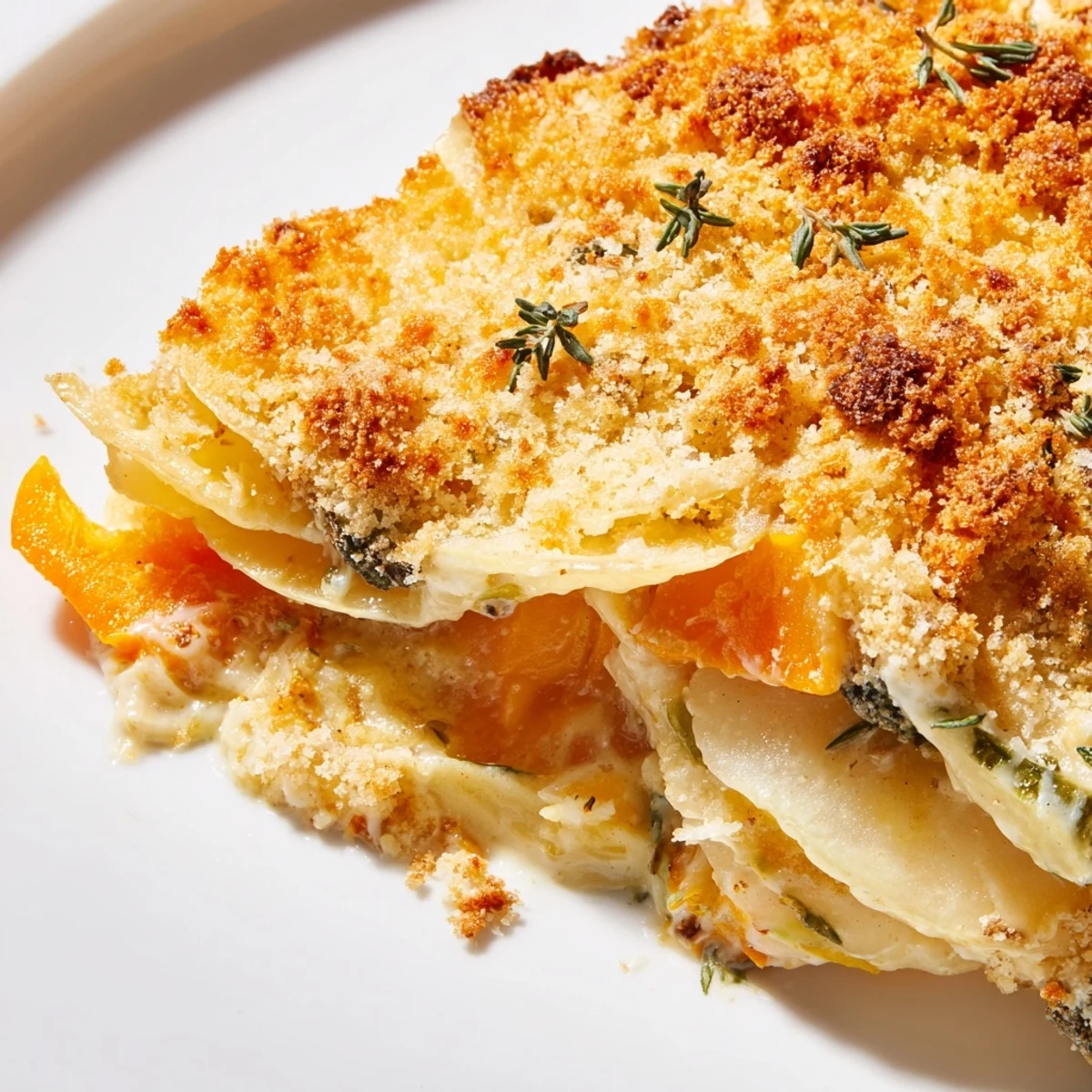
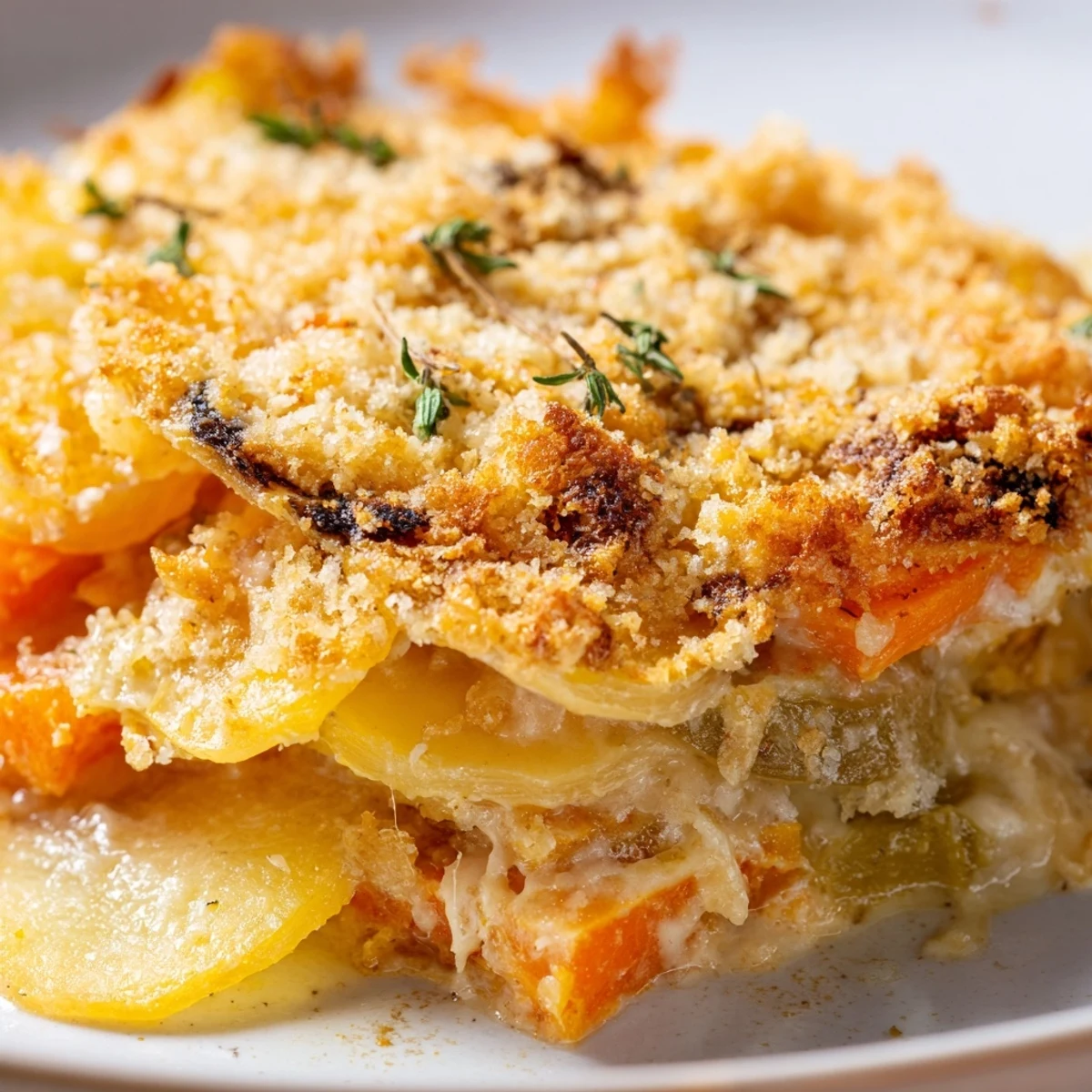
Save This dish features thinly sliced root vegetables layered with rich heavy cream, whole milk, and shredded Gruyere cheese. Baked with fragrant thyme and nutmeg, the top becomes bubbly and golden. It serves six as a hearty side or main, offering a warm, savory flavor profile perfect for cold weather dining.
There's something almost meditative about layering vegetables in a gratin dish on a grey afternoon, watching them transform under a blanket of cream and melted cheese. I discovered this recipe while rummaging through my kitchen during an unexpected snowstorm, realizing I had all the root vegetables but no elaborate plans. What started as a practical solution became something I now make whenever I want the kitchen to smell like butter, thyme, and possibility. That first golden crust that emerged from the oven felt like a small victory against the cold.
I made this for my neighbor Marcus last February when he'd helped me move my stove, and I watched him eat it without saying much of anything, which somehow meant everything. Later he told me he'd come home smelling like thyme from helping me, and it made him hungry all afternoon. That's when I realized this dish does something quiet but powerful—it fills a room with a sense that someone cared enough to layer vegetables just right.
Ingredients
- Yukon Gold potatoes: Use these over russets—they hold their shape beautifully and have just enough starch to thicken the cream naturally without turning mushy.
- Parsnips: They add sweetness and earthiness that plain potatoes can't achieve alone; don't skip them.
- Carrots: Slice them the same thickness as the potatoes so everything cooks evenly and you don't end up with hard and soft vegetables.
- Butternut squash: A small one works better than a large—the flavor concentrates and you won't overwhelm the dish with sweetness.
- Onion: Getting soft in butter with garlic creates the flavor foundation everything else rests on.
- Gruyere cheese: The nuttiness matters here; it's not just a binder but the entire soul of the top crust.
- Heavy cream and whole milk: The ratio keeps things rich without becoming heavy, letting the vegetables shine through.
- Fresh thyme: Use fresh, not dried—the brightness makes all the difference in a long braise.
- Garlic and nutmeg: These quiet ingredients connect everything together; nutmeg especially makes people ask what that incredible spice is without being able to name it.
- Breadcrumbs: Optional but they add a textural moment that makes people reach for seconds, plus they brown gorgeously.
Instructions
- Heat your oven and grease the dish:
- Get it to 375°F and butter your baking dish thoroughly so nothing sticks when it comes time to serve. This step takes thirty seconds but saves you from scraping disaster later.
- Build your flavor base:
- Melt butter and let garlic and onions soften together until they smell like they belong in something special, about three minutes. Pour in the cream and milk, add your thyme and nutmeg, and let it just barely steam before taking it off heat—you're infusing, not boiling.
- Layer like you mean it:
- Arrange half your vegetables in the dish, overlapping slightly so they nestle together. Season with salt and pepper, then shower with half the Gruyere, which will melt down into the gaps and create pockets of cheesy goodness.
- Repeat the luxury:
- Do the whole thing again with the remaining vegetables and cheese, creating a second layer that promises abundance. Pour the warm cream mixture slowly over everything, letting it seep down and cradle each slice.
- Top and cover:
- If you're using breadcrumbs, scatter them now—they'll catch the heat and turn golden brown. Cover tightly with foil and slide into the oven.
- Two-stage bake:
- After forty minutes under foil, remove it and let everything bake uncovered for twenty minutes more, until the top turns a deep golden color and a fork slides through the vegetables with just a little resistance. This is when the magic happens.
- Rest before serving:
- Let it sit for ten minutes—this lets everything set slightly and makes it easier to slice cleanly. Finish with a scatter of fresh thyme leaves and maybe a crack of black pepper.
 Save
Save My sister brought her teenage son over once and he ate three generous servings without touching his phone, which for him felt like a confession of love. Sometimes food is just delicious, but sometimes it's an excuse for people to slow down together, and this gratin seems to do that naturally.
Why This Works in Winter
Root vegetables are at their sweetest and most tender right now, and building a dish around them feels like trusting the season rather than fighting it. The warm, cheesy comfort fits those months when the sun sets before dinner and you want your kitchen to feel like the warmest place on earth. Gruyere especially belongs in cold weather cooking—it's the cheese that remembers Alpine mornings and brings that crystalline richness to anything it touches.
The Layering Philosophy
There's a reason this dish has been made in French farmhouses for generations—layering creates texture and ensures every bite gets cream, cheese, and vegetables in the same spoonful. When you repeat the layers, you're not just building height, you're creating pockets where the cheese can melt down and the cream can pool. Some dishes are beautiful despite their simplicity, and this is one of them.
Making It Your Own
This recipe is flexible enough to bend to whatever vegetables you have on hand, though the core potatoes-parsnips-carrots trio is worth keeping. If your family loves heat, add a whisper of cayenne or a pinch of mustard powder to the cream mixture. Serve it with a simple green salad and crusty bread, or alongside roasted chicken, or even as the entire meal with just a glass of wine and good company.
- A mandoline makes slicing go fast, but a sharp knife and careful attention work just as well if that's what you have.
- Make this the day before and reheat it gently if you want one less thing to think about on a busy evening.
- Leftovers are just as good reheated, though they lose some of that shatteringly crisp top—so maybe that's an excuse to make it twice.
 Save
Save This is the kind of recipe that quietly becomes a tradition, the dish people ask for when they want to feel taken care of. Make it once and it becomes part of your winter rotation, part of your comfort language.
Common Questions
- → What vegetables work best?
-
Yukon Gold potatoes, parsnips, carrots, and butternut squash provide the best flavor and texture balance.
- → Can I substitute the cheese?
-
Yes, Emmental or sharp cheddar make excellent alternatives to Gruyere if you prefer a different taste.
- → Is this dish gluten-free?
-
It can be made gluten-free by simply omitting the optional breadcrumbs from the topping.
- → How do I slice vegetables thinly?
-
A sharp knife or a mandoline slicer is essential for achieving the even, thin slices required for even baking.
- → What should I serve with this?
-
It pairs well with a fresh green salad or serves as a hearty accompaniment to roasted meats.