
 Save
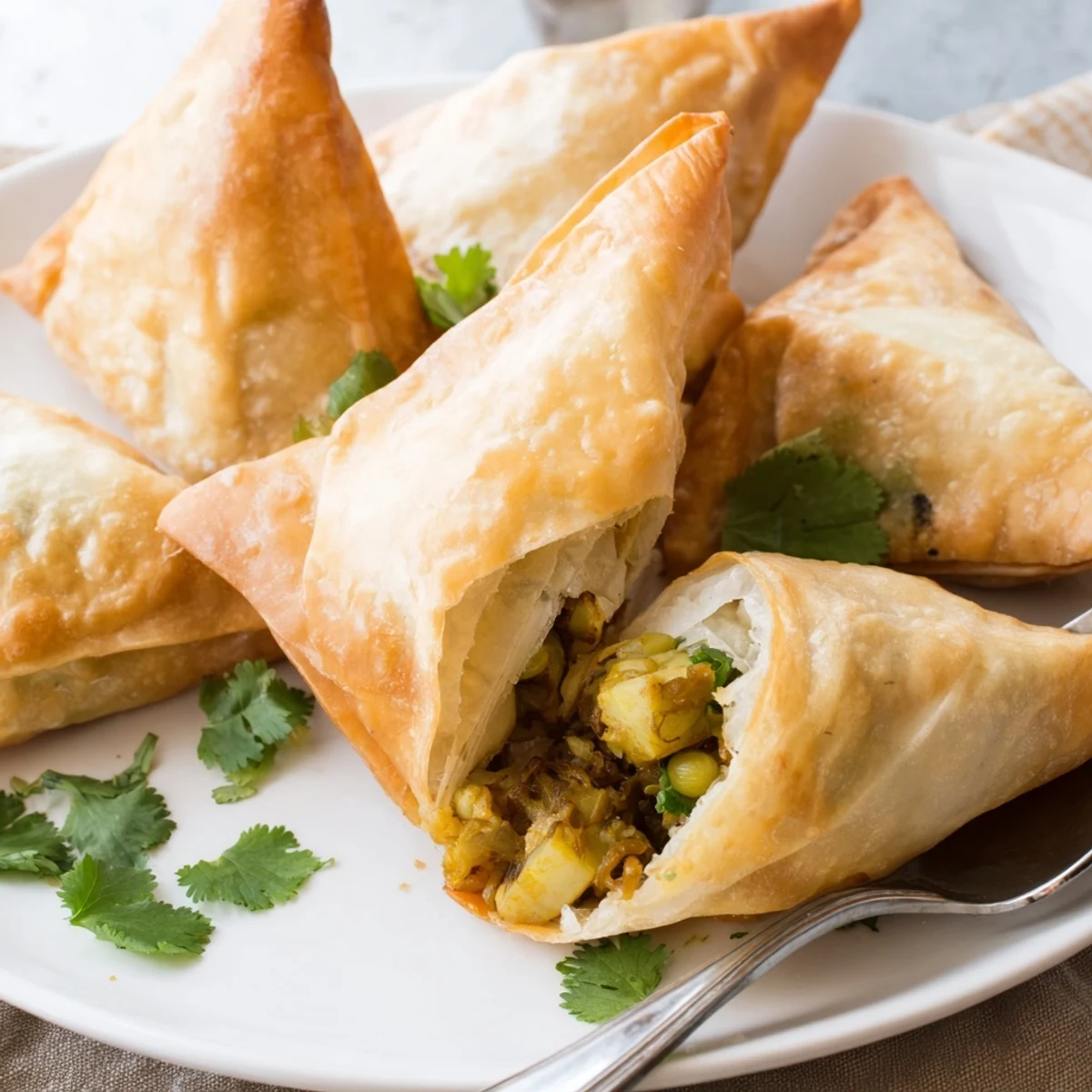
Save These traditional Indian appetizers feature flaky, golden pastry shells wrapped around a flavorful filling of seasoned potatoes, green peas, and aromatic spices. The dough requires simple kneading and a brief resting period, while the filling comes together with sautéed onions, ginger, garlic, and a blend of cumin, coriander, garam masala, and turmeric.
Shaping takes practice—form triangles from semi-circles, seal edges with water, and fry until perfectly crisp. For lighter versions, baking yields equally delicious results. Serve piping hot alongside mint chutney or tamarind sauce for an authentic experience.
The first time I watched my aunt make samosas, I was mesmerized by how quickly her hands moved, folding those little triangular packets like she was born knowing exactly how. I tried copying her technique that afternoon and ended up with more filling on the counter than in the pastry. It took three failed batches before I understood the rhythm she had memorized over decades.
Last winter, I made these for a dinner party when my friend from Mumbai was visiting. She took one bite and got quiet, then told me my version reminded her of the street vendors near her childhood home. That compliment meant more than she knows.
Ingredients
- 2 cups all-purpose flour: The foundation for that shatteringly crisp exterior we are after
- 1/4 cup vegetable oil: This creates the flaky texture in the dough, so do not be tempted to reduce it
- 1/2 teaspoon salt: Just enough to bring out the flavors without competing with the filling
- 1/2 cup water: Add gradually, you may need slightly more or less depending on humidity
- 2 medium potatoes: Yukon Gold work beautifully here, holding their shape while becoming creamy when mashed slightly
- 1/2 cup green peas: They add little bursts of sweetness that balance the warming spices
- 1 small onion: Finely chopped so it melts into the filling rather than staying in distinct pieces
- 2 tablespoons vegetable oil: For sautéing the aromatics and blooming the spices
- 2 teaspoons ginger: Fresh grated makes all the difference, paste will work in a pinch
- 2 cloves garlic: Mince it finely so it distributes evenly throughout the filling
- 1 green chili: Leave the seeds in if you like heat, remove them for a milder experience
- 1 teaspoon ground cumin: Earthy and essential, do not skip this one
- 1 teaspoon ground coriander: Adds a lovely citrusy undertone to the filling
- 1/2 teaspoon garam masala: The warming finish that makes the filling taste complete
- 1/2 teaspoon turmeric powder: Mostly for that gorgeous golden color, though it adds subtle earthiness too
- 1/2 teaspoon chili powder: Adjust based on your spice tolerance
- 2 tablespoons fresh cilantro: The bright finish that cuts through the richness
- 1 tablespoon lemon juice: A squeeze of acid that makes all the spices sing
- Vegetable oil for frying: You want about 2 inches in your pan
Instructions
- Make the dough first:
- Combine flour and salt in a mixing bowl, then pour in the oil and rub it between your fingers until the mixture looks like coarse breadcrumbs. Gradually add water while kneading until you have a firm, smooth dough that does not stick to your hands. Cover it with a damp cloth and let it rest while you make the filling, this relaxes the gluten and makes rolling easier.
- Prepare the filling:
- Boil the diced potatoes until they are tender when pierced with a fork, about 10 minutes, then drain them well. Heat oil in a skillet over medium heat, add the onion, ginger, garlic, and green chili, and sauté until the onion softens and turns translucent. Add all the spices and cook for just a minute until fragrant, then stir in the potatoes and peas. Season with salt and cook for 3 to 4 minutes, mashing some of the potatoes slightly to create a cohesive mixture. Stir in the cilantro and lemon juice, then remove from heat and let the filling cool completely.
- Shape the samosas:
- Divide the dough into 6 equal balls and roll each into a 6 inch circle. Cut each circle in half to make two semi circles. Brush the straight edge with water, fold it into a cone shape by bringing the straight edges together, and press firmly to seal. Fill each cone with about 2 tablespoons of filling, then fold over the open edge and press to seal into a triangle. Repeat with all the dough and filling.
- Fry until golden:
- Heat about 2 inches of oil in a deep pan until it reaches 350 degrees Fahrenheit. Fry the samosas in batches of 3 or 4, turning them occasionally, until they are deeply golden brown and crispy, about 5 to 6 minutes per batch. Use a slotted spoon to transfer them to paper towels to drain.
 Save
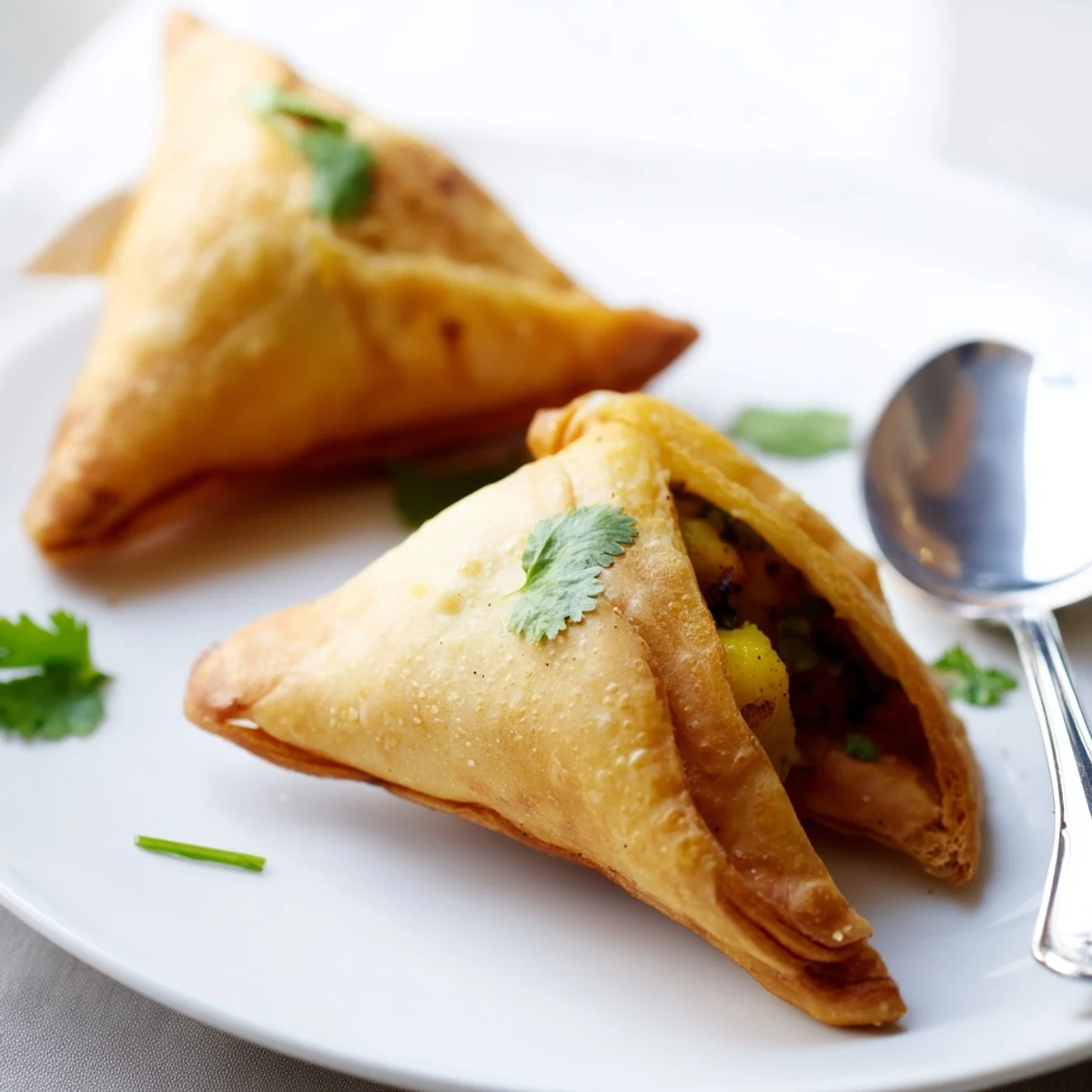
Save My daughter now helps me fold the samosas, and her technique is somehow already better than mine was after months of practice. There is something wonderful about passing down a skill that my own hands struggled to learn.
Making Them Ahead
You can assemble the samosas completely and freeze them uncooked on a baking sheet until firm, then transfer to a freezer bag. When you are ready to eat them, fry them straight from the freezer, just adding a couple extra minutes to the cooking time. I keep a stash in my freezer for unexpected cravings.
The Baking Option
While fried samosas are undeniably superior in texture, you can bake them at 400 degrees Fahrenheit for 25 to 30 minutes if you prefer. Brush them with oil before baking and flip them halfway through to encourage even browning. They will not be quite as shatteringly crispy, but they are still delicious.
Serving Suggestions
Samosas are traditionally served with mint chutney or tamarind sauce, but they are also wonderful with plain yogurt or a spicy ketchup. I have been known to eat them plain, standing at the counter while they are still too hot, which is probably why I burned my palate that one time. Serve them as an appetizer or make a meal of them with a simple salad on the side.
- Make double the filling and freeze half for a quick dinner another day
- The dough scraps can be rolled together and used, just work them gently
- Let fried samosas cool for at least 5 minutes before biting into them
 Save
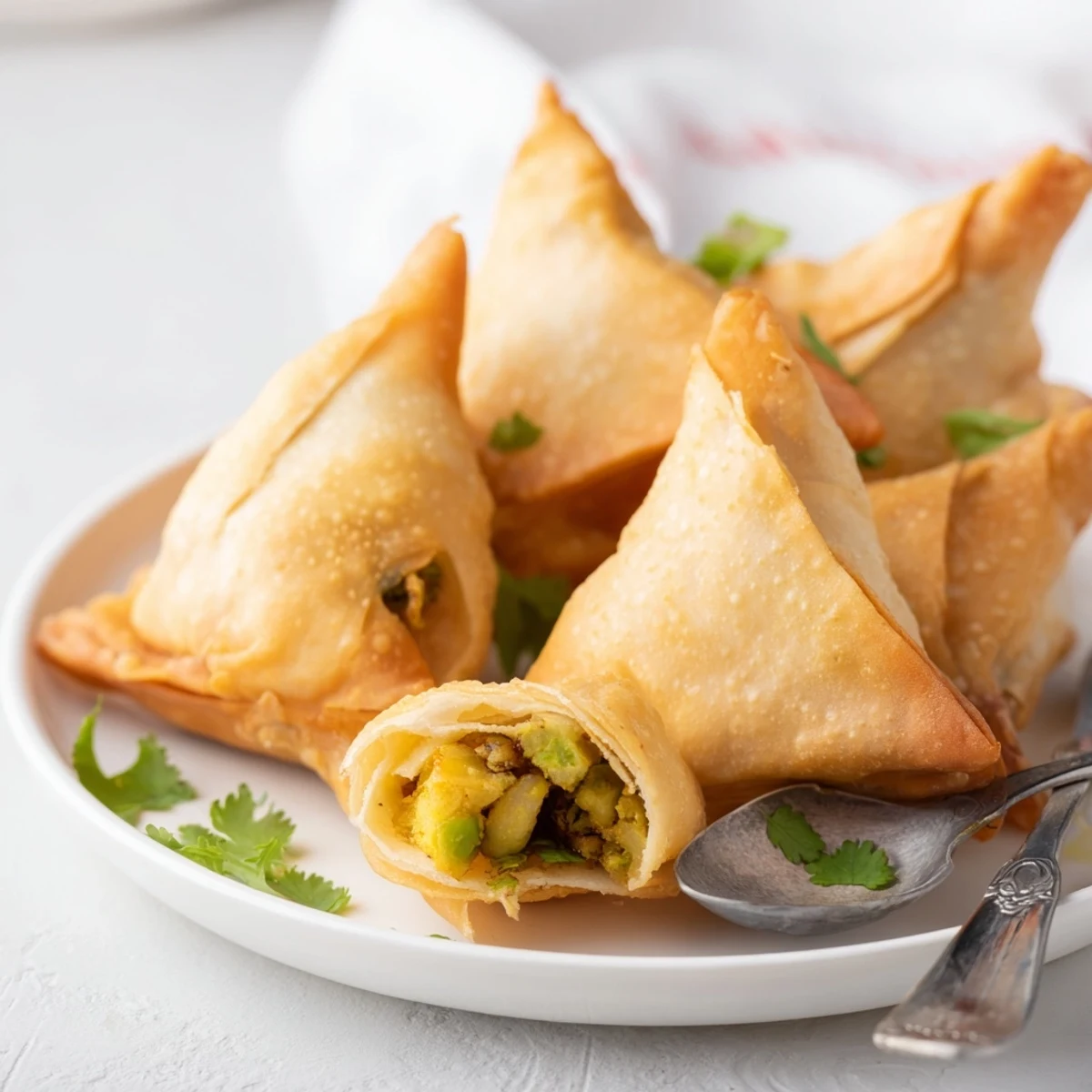
Save Hope these samosas bring as much joy to your kitchen as they have to mine over the years.
Common Questions
- → What makes samosas crispy?
-
The secret lies in the dough preparation—rubbing oil into flour creates a short pastry texture. Proper frying temperature at 350°F ensures golden, crisp exteriors without absorbing excess oil.
- → Can I bake samosas instead of frying?
-
Absolutely. Brush assembled samosas with oil and bake at 400°F for 25–30 minutes, turning halfway through. The texture becomes slightly lighter but remains satisfyingly crisp.
- → How do I prevent samosas from opening during frying?
-
Ensure edges are thoroughly moistened with water before sealing. Press firmly to create a tight seal, and avoid overfilling—leave space at the top to pinch closed securely.
- → Can I freeze uncooked samosas?
-
Yes. Arrange shaped samosas on a baking sheet, freeze until solid, then transfer to freezer bags. Fry straight from frozen, adding 2–3 minutes to cooking time.
- → What dipping sauces pair best?
-
Mint cilantro chutney offers fresh contrast, while sweet tamarind sauce balances spices. Tamarind-date sauce or plain yogurt with roasted cumin also work beautifully.
- → How can I adjust the spice level?
-
Reduce or omit green chili and chili powder for milder versions. Increase gradually if you prefer heat. The spice blend remains flavorful even when toned down.