
 Save
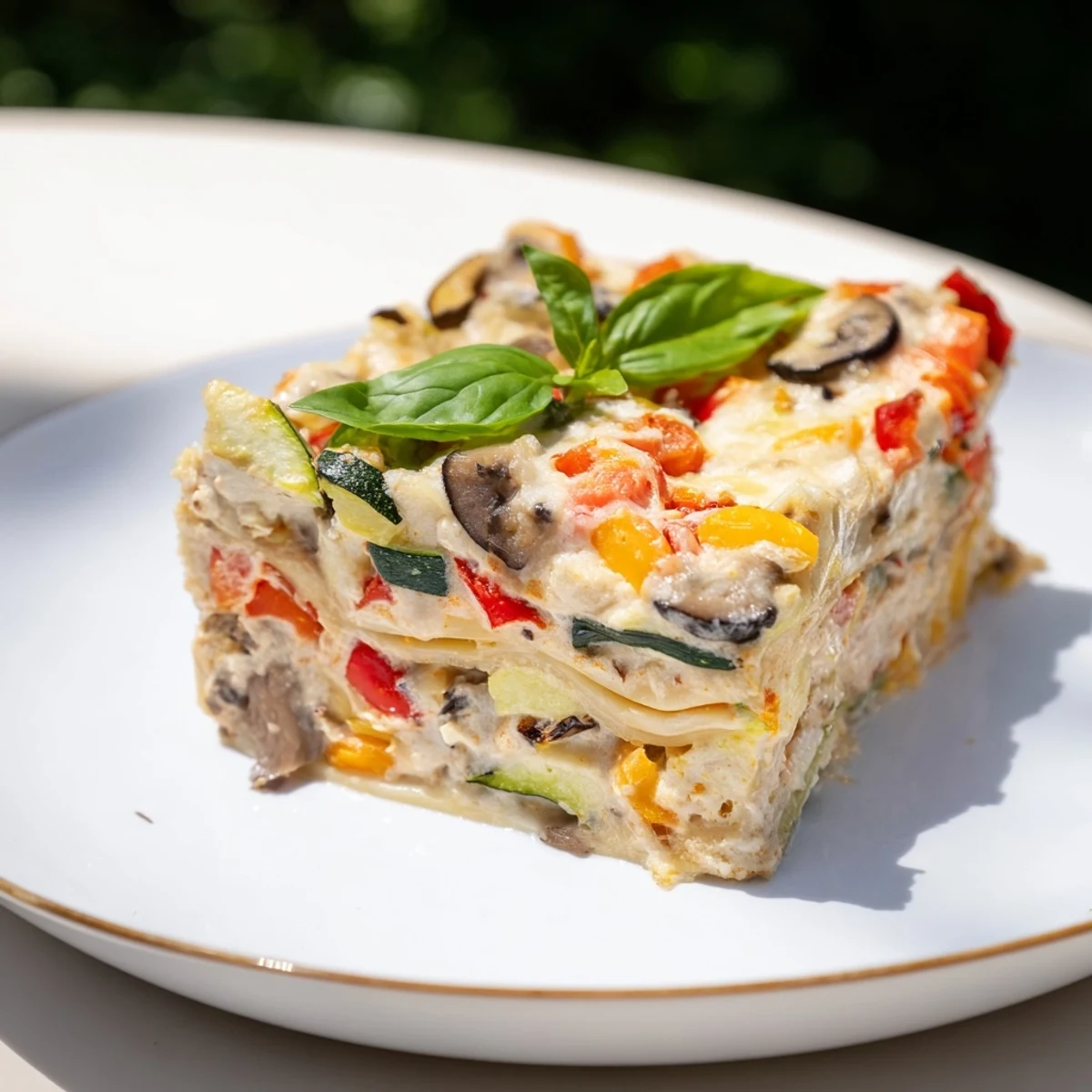
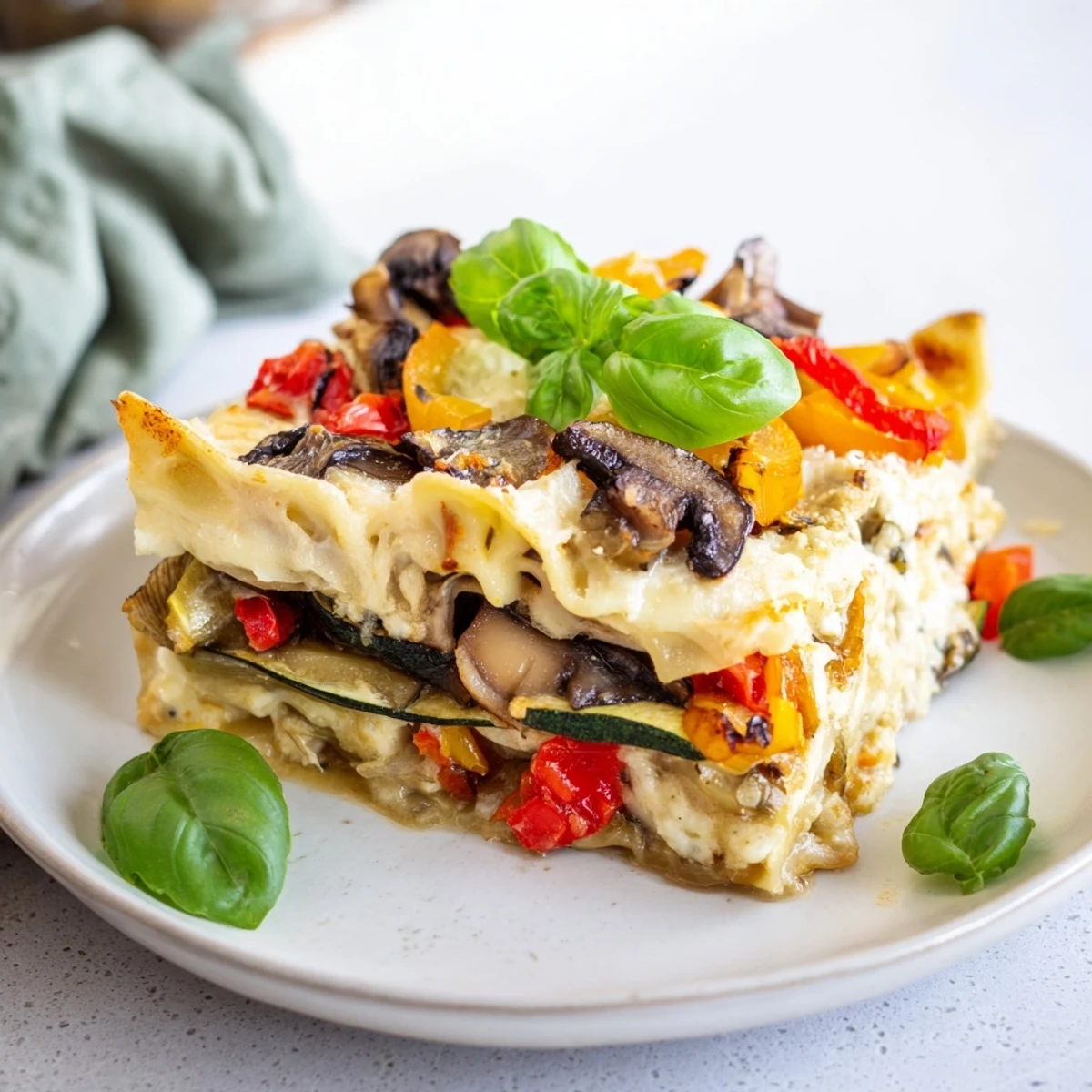
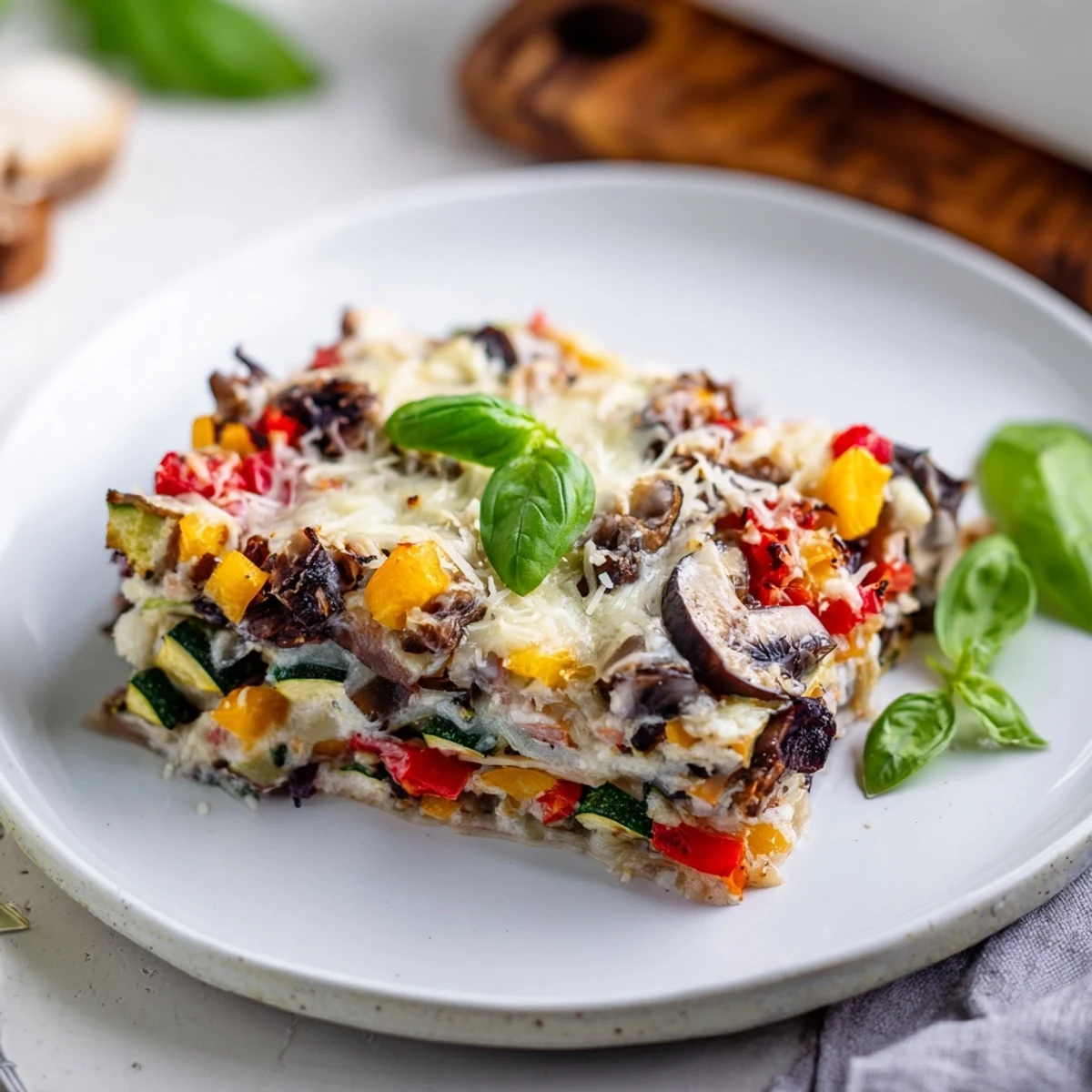
Save This comforting layered dish features roasted zucchini, eggplant, bell peppers, and mushrooms, combined with creamy ricotta and shredded mozzarella. The vegetables are seasoned with oregano and basil, roasted to tender perfection, then layered between sheets of pasta and rich marinara sauce. Baked until bubbly and golden, it rests briefly before serving, garnished with fresh basil for a flavorful finish.
I discovered this veggie lasagna on a rainy Sunday afternoon when my mother-in-law challenged me to create something that would convince even the most devoted meat-eater that vegetables belonged on a dinner table. I remember standing in her kitchen, surrounded by colorful bell peppers and fresh zucchini, thinking I had no idea what I was doing. But somewhere between roasting those vegetables until they caramelized into something almost sweet, and layering them with creamy ricotta, I found myself creating something that tasted like comfort itself. Now, nearly a decade later, this is the recipe people request when they know they're coming to my home.
The moment I knew this recipe had truly become special was when my teenage son, who had grown up rolling his eyes at vegetables, brought it to a potluck and watched his friends go back for seconds. I caught him smiling, watching people actually enjoy what was on their plates. That's when I realized this wasn't just about layering ingredients—it was about creating something that made people happy.
Ingredients
- Zucchini: One medium zucchini, sliced thin so it roasts evenly and becomes slightly tender while keeping its character
- Eggplant: One medium eggplant, sliced with the same care—this is where the lasagna gets its depth and slightly silky texture
- Red and yellow bell peppers: One of each, diced into roughly the same size so they cook uniformly and add both sweetness and color
- Mushrooms: Two hundred grams sliced, because they provide an umami richness that makes people ask what your secret ingredient is
- Onion and garlic: One onion diced, two cloves of garlic minced—the aromatic foundation that makes everything smell like home
- Olive oil: Two tablespoons for roasting, plus a splash more for sautéing, because good olive oil is never wasted
- Oregano and basil: One teaspoon each of the dried varieties, the herbs that whisper Italian kitchen to anyone who smells them
- Salt and pepper: To taste, because seasoning as you go is how you learn to cook by instinct
- Ricotta cheese: Four hundred grams, the creamy base that holds everything together with gentle richness
- Mozzarella cheese: Two hundred fifty grams shredded, because it melts into those golden bubbles that make people close their eyes
- Parmesan cheese: Fifty grams grated, the sharp note that cuts through richness like a perfect punctuation mark
- One egg: The binder that helps the ricotta layer stay together and gives it just enough body
- Marinara sauce: Eight hundred milliliters of your favorite, whether homemade or a quality jarred version—this is the backbone
- Lasagna noodles: Nine noodles, regular or no-boil, three layers of starchy structure
- Fresh basil: A small handful for garnish, because the final touch should taste like you cared
Instructions
- Set your oven to its roasting temperature:
- Preheat to two hundred degrees Celsius, or four hundred Fahrenheit. Give it a few minutes to come fully alive while you prepare your vegetables—this warmth is what transforms everything.
- Prepare your vegetables for their transformation:
- On a baking sheet, arrange your sliced zucchini, eggplant, diced peppers, and sliced mushrooms in a single layer, trying not to crowd them too much. Drizzle generously with olive oil, then sprinkle the oregano, basil, salt, and pepper over everything. Toss gently with your hands so every piece is kissed with oil and seasoning. This is where the magic starts—roasting will coax out their natural sweetness and deepen their flavors.
- Roast until tender and touched with color:
- Place in your hot oven for twenty minutes. You're looking for the vegetables to soften and develop slightly caramelized edges. Your kitchen will smell incredible during this time.
- Cook your noodles if using traditional pasta:
- While the vegetables roast, bring a large pot of salted water to a rolling boil. If you're using regular lasagna noodles, drop them in and cook according to the package instructions, usually about eight to ten minutes. Drain them carefully and lay them on clean kitchen towels to prevent sticking. If you're using no-boil noodles, you can skip this step entirely—they'll soften in the sauce as everything bakes.
- Make your creamy ricotta layer:
- In a mixing bowl, combine your four hundred grams of ricotta, one egg, half of your grated Parmesan, a pinch of salt, and several grinds of black pepper. Stir everything together until you have a smooth, creamy mixture that's ready to spread. Taste it and adjust the seasoning—this layer is important, so it should taste good on its own.
- Sauté your onions and garlic:
- In a large skillet over medium heat, add a splash of olive oil. When it's warm and fragrant, add your diced onion and cook for about two minutes, stirring occasionally, until it begins to soften and turn translucent. Add the minced garlic and cook for another minute until the kitchen smells like comfort. You're building layers of flavor here.
- Fold in your roasted vegetables:
- Carefully add the roasted vegetables from the oven to your skillet with the onions and garlic. Stir everything together gently and cook for just two more minutes, letting the flavors mingle. This is when you can taste and adjust the seasoning if needed. Remove from heat and set aside—your vegetable filling is ready.
- Begin your first lasagna layer:
- Spread about one-third of your marinara sauce on the bottom of your nine-by-thirteen-inch baking dish. This creates a protective base that prevents sticking and keeps the bottom noodles from drying out. Layer three lasagna noodles over this sauce, breaking them to fit if necessary.
- Build your second layer:
- Spread half of your ricotta mixture over the noodles in an even layer. Then spread half of your vegetable mixture over the ricotta. Finally, sprinkle one-third of your shredded mozzarella over everything. You're creating distinct, delicious layers that will stay somewhat separate when you slice.
- Create the middle section:
- Add another one-third of your marinara sauce, then three more lasagna noodles, the remaining ricotta mixture, the remaining vegetables, and another one-third of the mozzarella. You're almost there—one more layer to go.
- Complete the final layer:
- Top with the last three noodles, then pour the remaining marinara sauce over them. Sprinkle with the last of your mozzarella and the remaining Parmesan. This top layer is what will get golden and bubbly and absolutely beautiful.
- Bake covered, then uncovered:
- Cover your baking dish tightly with aluminum foil. This traps the steam and helps everything cook through gently. Bake for twenty-five minutes. Then carefully remove the foil—be careful of the steam that escapes—and bake for another fifteen minutes until the cheese on top is bubbling at the edges and golden brown. This contrast between the covered and uncovered baking ensures everything cooks through while the top gets that irresistible color.
- Let it rest before serving:
- Remove from the oven and let your lasagna sit for ten minutes. I know this is hard—the aroma will make you want to dig in immediately—but this resting time allows everything to set so your slices hold together beautifully instead of falling apart. While you wait, tear some fresh basil leaves.
- Slice and serve with grace:
- Using a sharp knife and a sturdy spatula, cut into six generous portions. Each slice should be a perfect cross-section of all your beautiful layers. Garnish each serving with fresh basil, and watch people's faces as they take that first bite.
 Save
Save I'll never forget the Christmas dinner when my father, who had been skeptical about vegetarian cooking his entire life, took a large second portion and said quietly, 'This is really good.' For him, that was a standing ovation. That moment taught me that food isn't just about nutrition—it's about connection, about showing people you care through what you put on their table.
Variations and Substitutions
One of the joys of this lasagna is how forgiving it is. If cottage cheese is what you have on hand, it works beautifully in place of ricotta—it'll be slightly lighter in texture, but the flavor remains delicious. I've added spinach and kale to this dish countless times, wilting them slightly before layering, and it only deepens the flavors. Some seasons I use half ricotta and half Greek yogurt when I want something tangier. The marinara sauce is your blank canvas—use homemade if you have time, or reach for a high-quality jarred version that you actually enjoy eating on its own. Don't feel bound by my vegetable choices either; I've made this with summer squash, roasted broccoli, sautéed spinach, or even finely diced tomatoes added to the layers. The principle remains the same: roast to concentrate flavors, layer with care, and bake until golden.
What to Serve Alongside
This lasagna sings when paired with something bright and fresh to cut through the richness. A simple green salad with a sharp vinaigrette—lemon and olive oil, nothing fussy—makes the meal feel balanced and complete. I've found that a crisp white wine like Pinot Grigio or a medium-bodied red like Chianti (as mentioned in the original notes) pairs beautifully, though honestly, this lasagna is wonderful with just a cold glass of water or sparkling cider. Crusty bread for mopping up any remaining sauce is never a bad idea, and fresh basil scattered over everything at the table reminds everyone that this is an Italian-inspired meal made with love and fresh ingredients.
Storing and Reheating
This lasagna becomes even better the next day, when all the layers have had time to get acquainted with each other overnight in the refrigerator. Cover any leftovers with plastic wrap or aluminum foil and store for up to three days. To reheat, cover with foil and warm in a three hundred fifty-degree oven for about fifteen to twenty minutes until heated through—the foil prevents the top from drying out. You can also reheat individual portions in the microwave, though the oven method is gentler and preserves the texture better. For longer storage, this lasagna freezes beautifully for up to two months; wrap individual portions in plastic wrap and then aluminum foil, and thaw overnight in the refrigerator before reheating.
- Frozen portions heat through in about thirty minutes when covered in a four hundred-degree oven
- Never thaw at room temperature, as dairy products can become unsafe; always defrost in the refrigerator
- A slice reheated from frozen is actually perfect for a quick lunch, ready in the microwave in three to four minutes
 Save
Save Every time I make this lasagna, I'm reminded that the best recipes aren't complicated—they're just made with intention and ingredients you actually care about. It's become the dish I turn to when I want to show someone I love them through food.
Common Questions
- → Can I substitute the ricotta cheese?
-
Yes, cottage cheese works as a lighter alternative, offering similar creaminess with a different texture.
- → How do I make this dish gluten-free?
-
Use gluten-free lasagna noodles to accommodate gluten sensitivities without compromising flavor.
- → What vegetables are best for roasting here?
-
Medium zucchini, eggplant, red and yellow bell peppers, mushrooms, and onion give great texture and flavor when roasted.
- → Is it possible to prepare this without eggs?
-
Omit the egg in the cheese mixture, but note the texture may be softer and less firm.
- → How should I serve this layered lasagna?
-
After baking and resting, slice into portions and garnish with fresh basil. Pairs well with crisp green salad and red wine.