
 Save
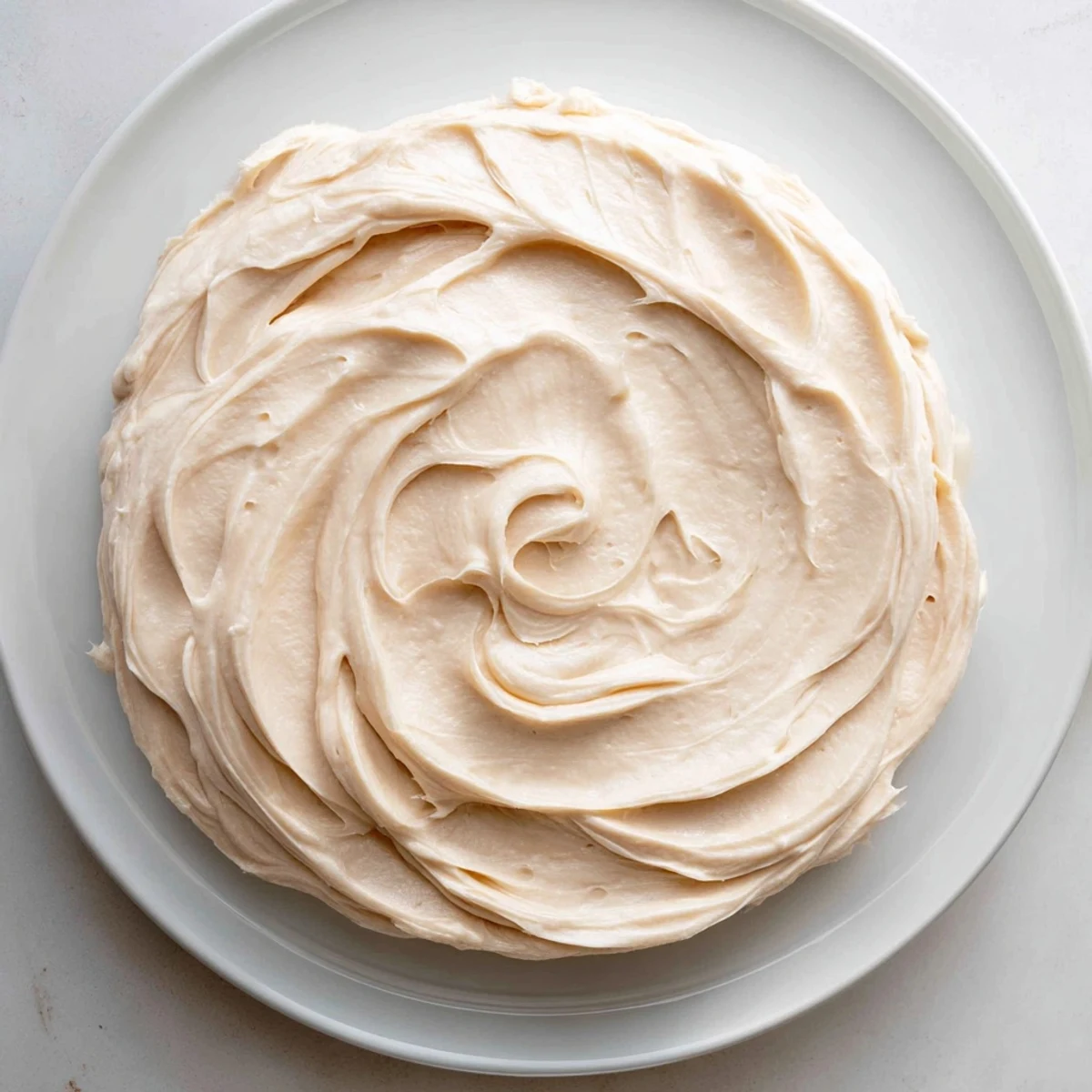
Save This classic buttercream is a smooth and creamy blend of unsalted butter, powdered sugar, and vanilla extract, whipped to perfection. It suits a range of baked goods including cakes, cupcakes, and cookies, offering a rich yet fluffy finish. Adjust the milk or cream quantity to achieve your preferred consistency, perfect for spreading or piping. Store chilled and re-whip before use, and try variations like chocolate or alternative extracts for diverse flavor profiles.
My first buttercream disaster happened at three in the morning before my sister's wedding. I'd made the frosting hours earlier, refrigerated it, and by the time I needed to frost the cake, it had turned into an uncooperative brick. That's when I learned the magic of patience and timing—and how a few minutes of re-whipping at room temperature could transform a kitchen catastrophe into silky perfection. Now, this buttercream is my go-to for everything, and I've learned its moods like an old friend.
There's something about watching my kids' faces light up when they taste homemade frosting for the first time—especially when they realize it's just butter and sugar that somehow becomes clouds. One afternoon, my son asked why store-bought frosting never tastes the same, and I realized I'd never gone back after making this from scratch.
Ingredients
- Unsalted butter (1 cup / 225 g), softened: Room-temperature butter beats cold butter every single time—it whips into pale clouds instead of staying dense and lumpy.
- Powdered sugar (3–4 cups / 360–480 g), sifted: Sifting breaks up those tiny lumps that can make frosting grainy; don't skip this step even if it feels tedious.
- Whole milk or heavy cream (2–3 tbsp / 30–45 ml): Heavy cream makes frosting richer and more stable, while milk keeps it a bit lighter—choose based on your mood.
- Pure vanilla extract (2 tsp / 10 ml): Real vanilla makes a noticeable difference; pure extract tastes nothing like imitation.
- Fine sea salt (pinch): Salt is the secret weapon that makes sweet things taste even sweeter without tasting salty.
Instructions
- Whip the butter until it's pale and fluffy:
- Beat softened butter on medium speed for 2–3 minutes—you'll notice it transform from dense and yellow to light and almost white. This aerates the butter and sets the foundation for light, fluffy frosting.
- Add powdered sugar gradually:
- Add the sifted sugar one cup at a time, beating well between additions and scraping down the bowl's sides with a spatula. Rushing this step leads to clouds of powdered sugar escaping into your kitchen, which I learned the hard way.
- Season with vanilla and salt:
- Stir in vanilla extract and a pinch of salt—these won't seem like much, but they unlock the frosting's full flavor potential.
- Adjust texture with milk or cream:
- Add liquid one tablespoon at a time, beating after each addition, until you reach your desired consistency. The frosting should feel like soft butter, not stiff paste or soup.
- Beat until smooth and fluffy:
- Give it a final 2–3 minutes on medium speed so the frosting becomes light, airy, and perfectly spreadable.
 Save
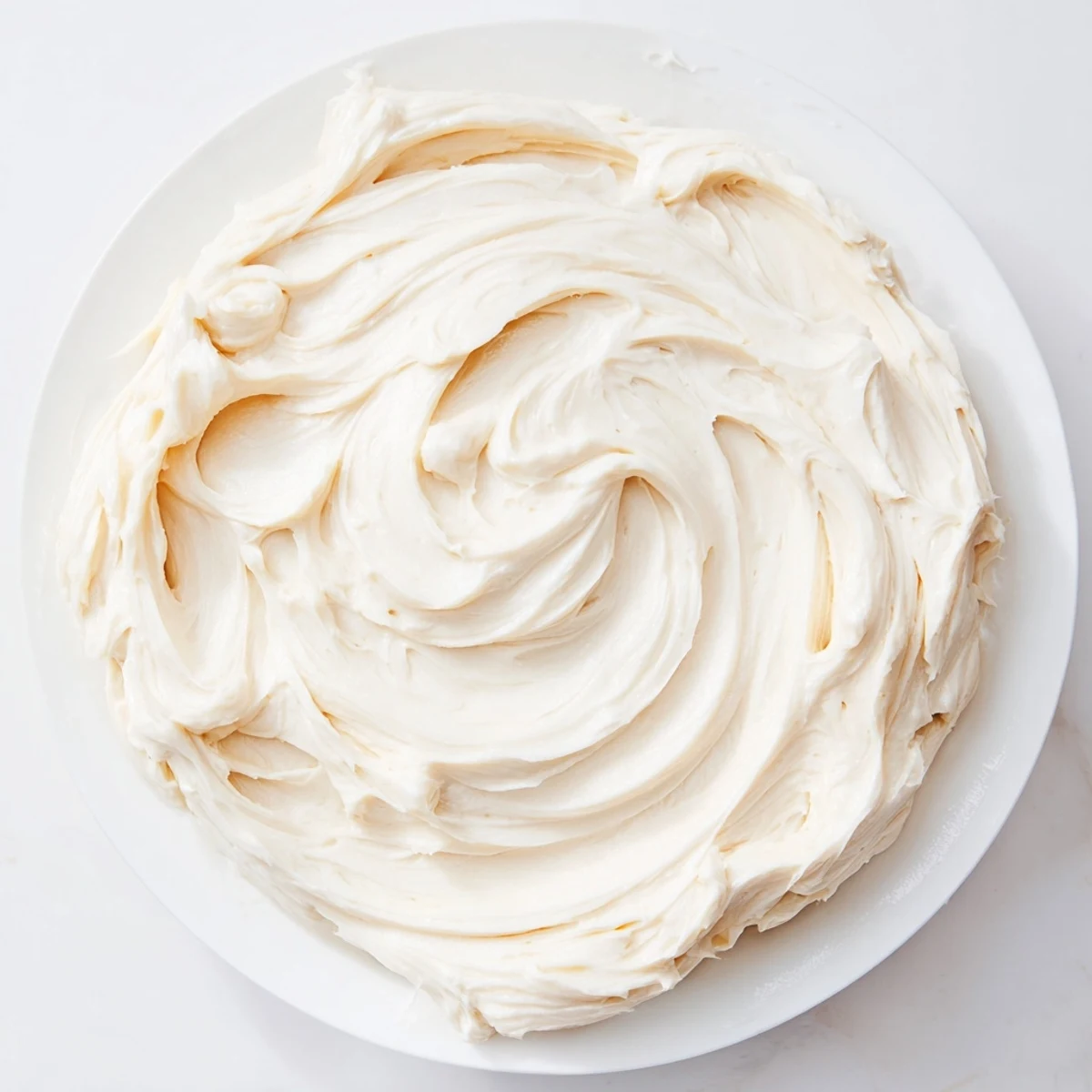
Save Years ago, I made this frosting for a friend's birthday cake during a particularly stressful week, and frosting it became my meditation. Something about smoothing frosting across layers, watching it become a blank canvas, reminded me that not everything has to be perfect—just intentional.
Consistency Matters
The beauty of buttercream is that texture is entirely in your control. For piping delicate borders or flowers, keep the frosting thick by using less milk—it should hold its shape like peanut butter. For frosting the sides of a cake smoothly, make it softer and more spreadable, almost like soft butter at room temperature. I've learned to make small batches at different consistencies depending on whether I'm doing detail work or covering large surfaces.
Flavor Variations
Once you master the base recipe, the flavor possibilities become endless. Swap vanilla for almond, lemon, or peppermint extract to match your baked goods. For chocolate buttercream, fold in ½ cup sifted unsweetened cocoa powder with the powdered sugar—it creates a deeper, richer frosting that's perfect for devil's food cakes. I've even added a tablespoon of espresso powder mixed with hot water for mocha buttercream, which became an unexpected favorite at a coffee-themed baby shower.
Storage and Make-Ahead Magic
Buttercream keeps beautifully in the refrigerator for up to a week in an airtight container—a fact that's saved my sanity more than once during busy weeks. Before using chilled frosting, bring it to room temperature and re-whip it for a minute or two to restore its fluffy texture. You can also freeze it for up to three months, though the texture becomes slightly less smooth after thawing, but it's still perfectly fine for casual spreading.
- Always let refrigerated or frozen frosting come to room temperature before re-whipping, or it'll be lumpy and difficult to work with.
- Use the frosting the same day you make it if you want the absolute smoothest, fluffiest results.
- If your frosting ever breaks or looks separated after re-whipping, beat it for another minute—it usually comes back together.
 Save
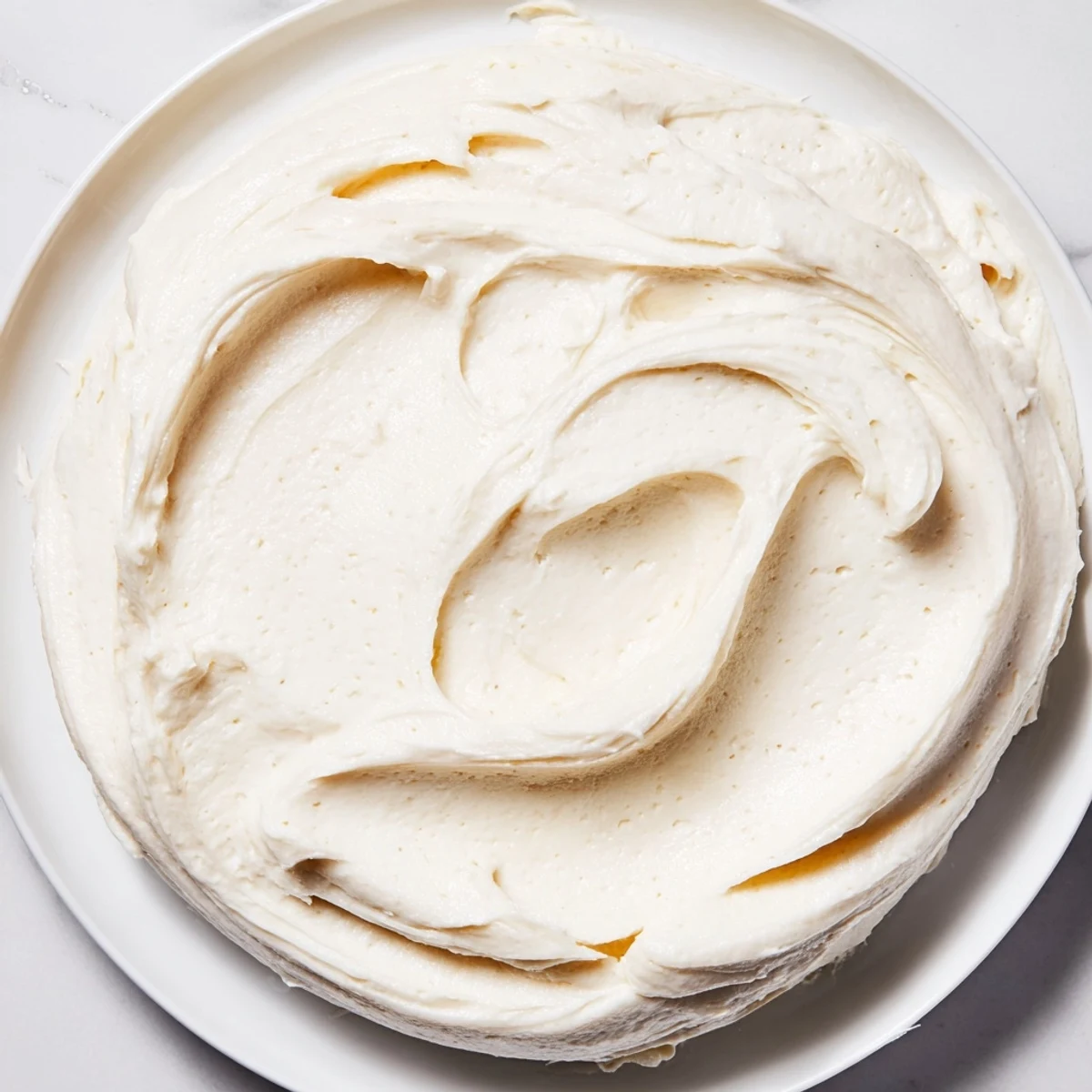
Save This buttercream has been frosting cakes at every milestone in my kitchen life, and it still feels special every single time. There's real magic in how five simple ingredients become something so smooth, so rich, and somehow so much better than the shortcut.
Common Questions
- → What ingredients create the smooth texture?
-
Softened unsalted butter combined with sifted powdered sugar and a small amount of milk or cream produces the classic smooth and creamy texture.
- → How do I adjust consistency for piping versus spreading?
-
Use less milk or cream for a stiffer buttercream ideal for piping flowers, and add more liquid for a softer, spreadable texture.
- → Can the flavor be customized?
-
Yes, swapping vanilla extract for almond, lemon, or other extracts transforms the flavor profile to suit your preference.
- → How long can this frosting be stored?
-
Store in an airtight container in the refrigerator for up to one week. Bring to room temperature and re-whip before use.
- → What tools are recommended for preparation?
-
An electric mixer, mixing bowl, rubber spatula, and measuring spoons help achieve smooth, fluffy results efficiently.