
 Save
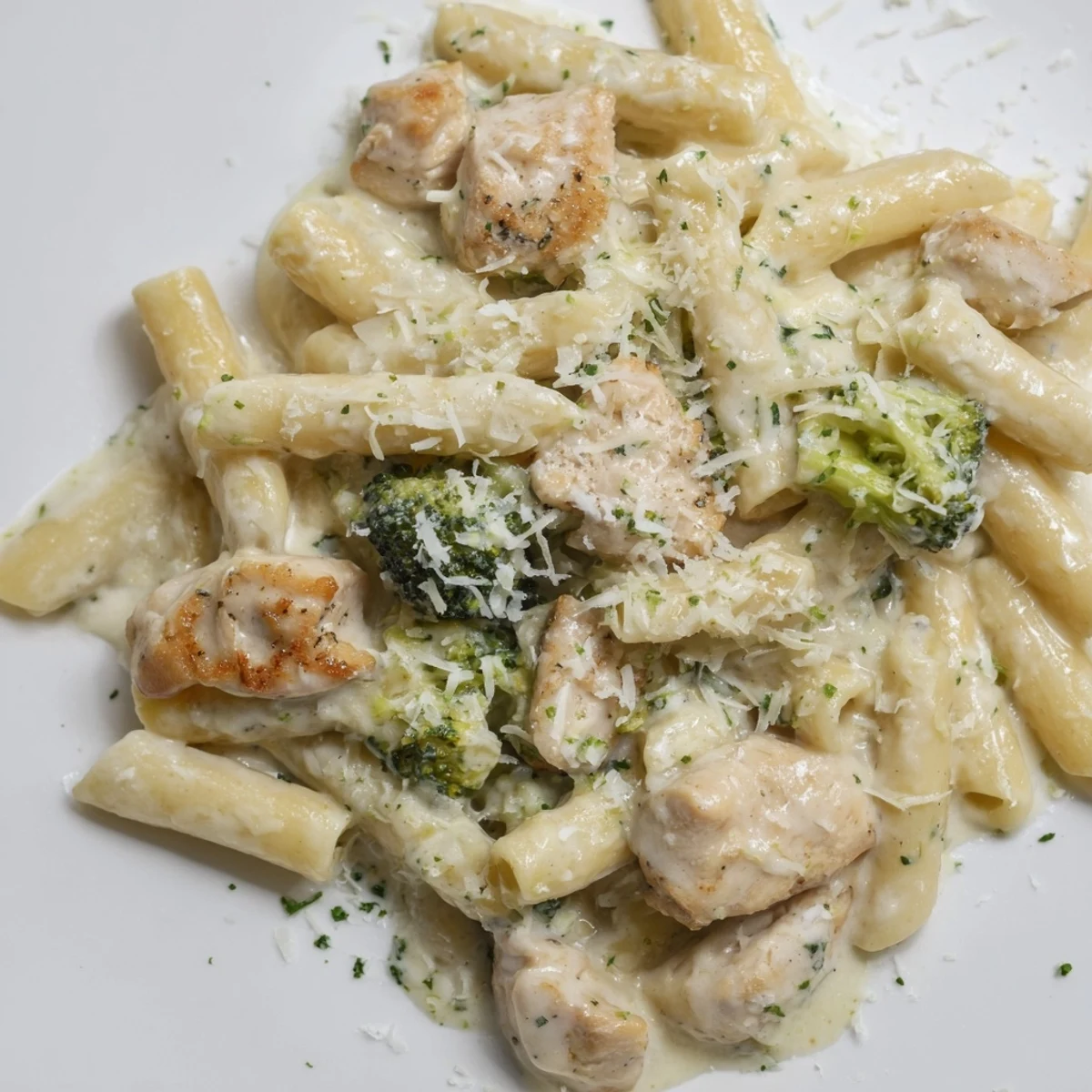
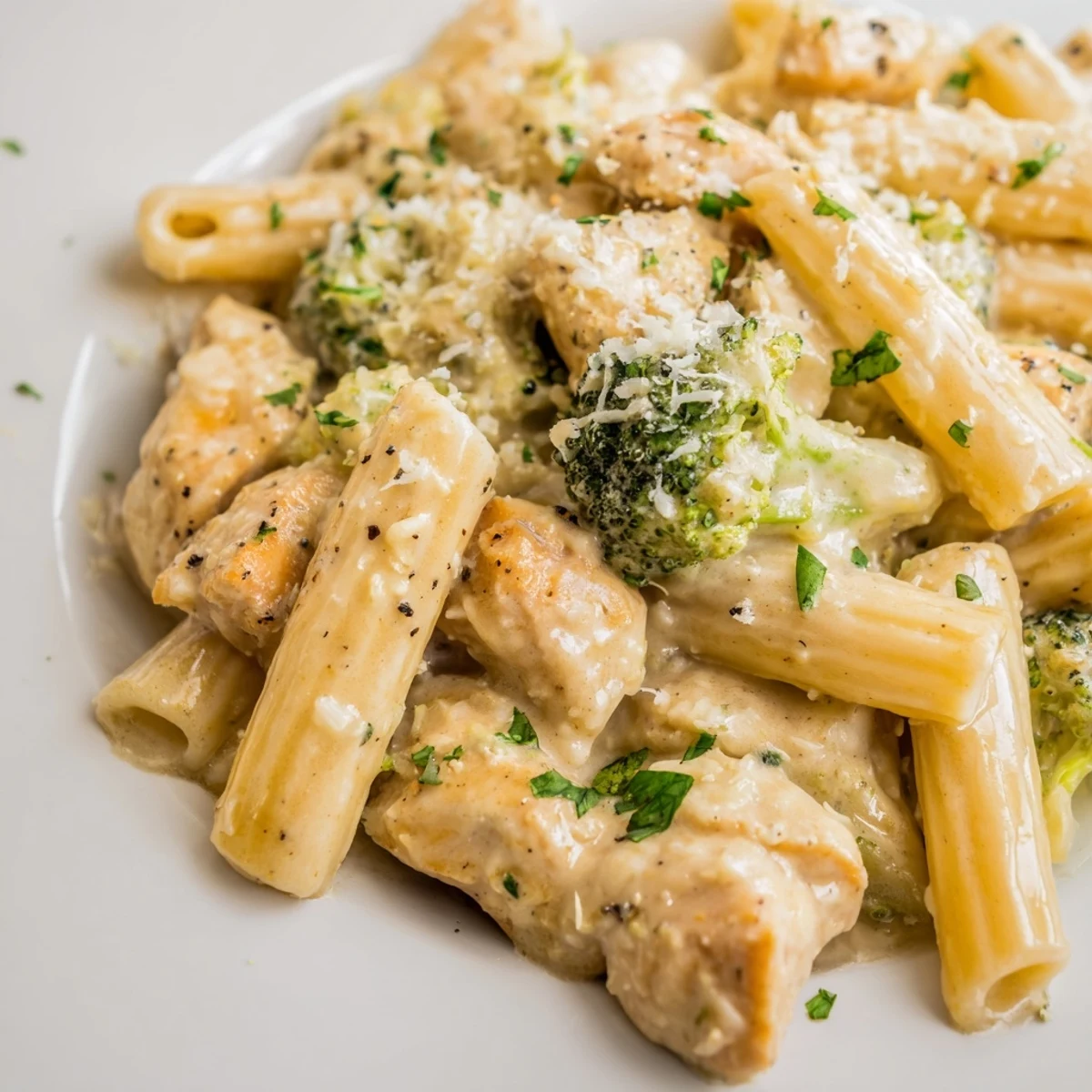
Save This comforting dish pairs tender chicken and fresh broccoli florets with pasta enveloped in a rich, creamy sauce. Garlic and Parmesan bring depth, while Italian herbs and nutmeg add subtle warmth. A quick sauté of chicken, combined with gently simmered cream and cheese sauce, ensures a balanced texture and flavor. Easily customizable with lighter dairy or alternative proteins, this dish suits a satisfying weeknight dinner for four.
There's something about the smell of butter and garlic hitting a hot pan that makes everything feel a little more manageable. I discovered this pasta on a Tuesday night when I had leftover chicken, tired thoughts, and absolutely nothing fancy to work with, but somehow those three things turned into something I've made at least twice a month since. The cream brings everything together in a way that feels both indulgent and genuinely simple, and the broccoli sneaks in enough green to feel balanced. It became the dish I reach for when I want comfort without the fuss.
I made this for my partner on a night when we'd both been staring at screens too long, and something shifted when we sat down to eat. The creaminess, the way the pasta coated everything, how the broccoli stayed tender but held its shape, it all felt like exactly what we needed. We ate quietly for a moment, and then he asked for the recipe. That's when I knew it was a keeper.
Ingredients
- Penne or fusilli pasta (300 g): The shape matters more than you'd think because the ridges and curves catch the cream sauce beautifully, so don't swap for long thin pasta.
- Fresh broccoli florets (1 large head, about 300 g): Cut them smaller than you think you need to, so they cook evenly and integrate into every bite instead of feeling like separate vegetables.
- Boneless, skinless chicken breasts (2 breasts, about 300 g): Bite-sized pieces cook faster and absorb the sauce better than larger chunks, and they're easier to eat in pasta.
- Olive oil (1 tbsp): This is just for searing the chicken; save the real flavor for the butter and cream.
- Unsalted butter (2 tbsp): Don't skip this or substitute it because it's what gives the sauce its silky, luxurious feel.
- Garlic (3 cloves, minced): Mince it yourself rather than using jarred, because fresh garlic blooms differently in the heat and smells so much better.
- Heavy cream (250 ml): This is the backbone of the sauce; it's worth buying good cream because the difference shows in the final dish.
- Grated Parmesan cheese (60 g): Grate it fresh if you have the time, but already-grated works if life is busy that day.
- Dried Italian herbs (1/2 tsp, optional): If you have fresh basil or oregano, use that instead because it adds a brighter note than dried.
- Nutmeg (a pinch, optional): It sounds strange in pasta, but it rounds out the cream in a way that makes people ask what the secret ingredient is.
- Salt and black pepper (to taste): Taste as you go because the Parmesan is already salty and you don't want to oversalt.
- Fresh parsley and extra Parmesan (for garnish): These finish the dish, so don't skip them even if you're tired.
Instructions
- Start the pasta and time everything:
- Bring a large pot of salted water to a rolling boil and add your pasta, stirring it once so it doesn't stick. Set a timer for three minutes before the package says it should be done, because that's when you'll add the broccoli to cook together, which saves you a pot and lets the broccoli absorb some pasta starch flavor.
- Sear the chicken until golden:
- While the water heats, season your chicken pieces with salt and pepper on both sides, then heat olive oil in a large skillet over medium-high until it shimmers. Add the chicken and let it sit for a minute or two without moving it so it develops color, then stir and cook until the pieces are golden outside and cooked through inside, which usually takes about six to eight minutes total. Transfer it to a clean plate and set it aside.
- Build the cream sauce with aromatics:
- Lower the heat to medium, add butter to the same skillet with all those browned bits from the chicken still clinging to the bottom, then add your minced garlic and listen for it to sizzle and smell incredible, which happens in about a minute. Pour in the cream slowly, stirring gently, and let it warm through without boiling.
- Season the sauce and bring it together:
- Stir in the Parmesan cheese, Italian herbs if you're using them, and that small pinch of nutmeg, then let it simmer gently for a couple of minutes while it thickens slightly. Taste it and adjust the salt and pepper because this is your last chance to fix the seasoning.
- Combine everything and adjust the consistency:
- Add the drained pasta and broccoli to the skillet along with the reserved pasta water, and toss everything together gently so the sauce coats all the strands and florets. Add the pasta water a splash at a time until the sauce feels silky rather than thick, because it will continue to thicken slightly as it sits.
- Plate and finish:
- Divide the pasta among bowls while it's still steaming, and top each serving with a shower of fresh grated Parmesan and chopped parsley so the colors pop and the fresh herb brightness cuts through the richness.
 Save
Save One night a friend came over unexpectedly right around dinner time, and instead of ordering something, I made this because it was fast and I knew it was good. She took her second bite and closed her eyes, and when she opened them she said this tasted like being taken care of. I think that's the whole point of this pasta.
Lighter Variations That Still Satisfy
If heavy cream feels too rich on a particular evening, you can swap it for half-and-half or whole milk, though the sauce will be thinner and less luxurious, so compensate by cooking it a minute or two longer. The flavor still comes through beautifully, and honestly, it's a good weeknight option when you want comfort without quite so much indulgence. I've made it both ways depending on my mood and what's in the fridge, and both versions have their moment.
Swaps and Substitutions That Work
Shrimp becomes interesting here if you want to swap it for the chicken, cooking it just until it curls and turns pink so it doesn't get rubbery. For a vegetarian version, skip the chicken entirely and maybe add sliced mushrooms that you sear in the oil first, which gives you that umami depth you'd otherwise get from the meat. I've even added sun-dried tomatoes and red pepper flakes on nights when I wanted something with attitude.
Wine Pairings and Table Moments
A crisp white wine like Sauvignon Blanc cuts through the cream in the best way, and the acidity wakes up your palate between bites. I've also served this with a light Pinot Grigio and it's equally good, so don't overthink it—whatever cold white wine you have on hand will be better than nothing. This is the kind of dish that makes a quiet dinner feel special without you having to do much at all.
- Serve this on nights when you need proof that good food doesn't have to be complicated or time-consuming.
- Leftovers reheat gently on the stove with a splash of cream or pasta water if they've thickened too much in the fridge.
- Make extra pasta water and keep it in the fridge because it's useful for loosening sauces throughout the week.
 Save
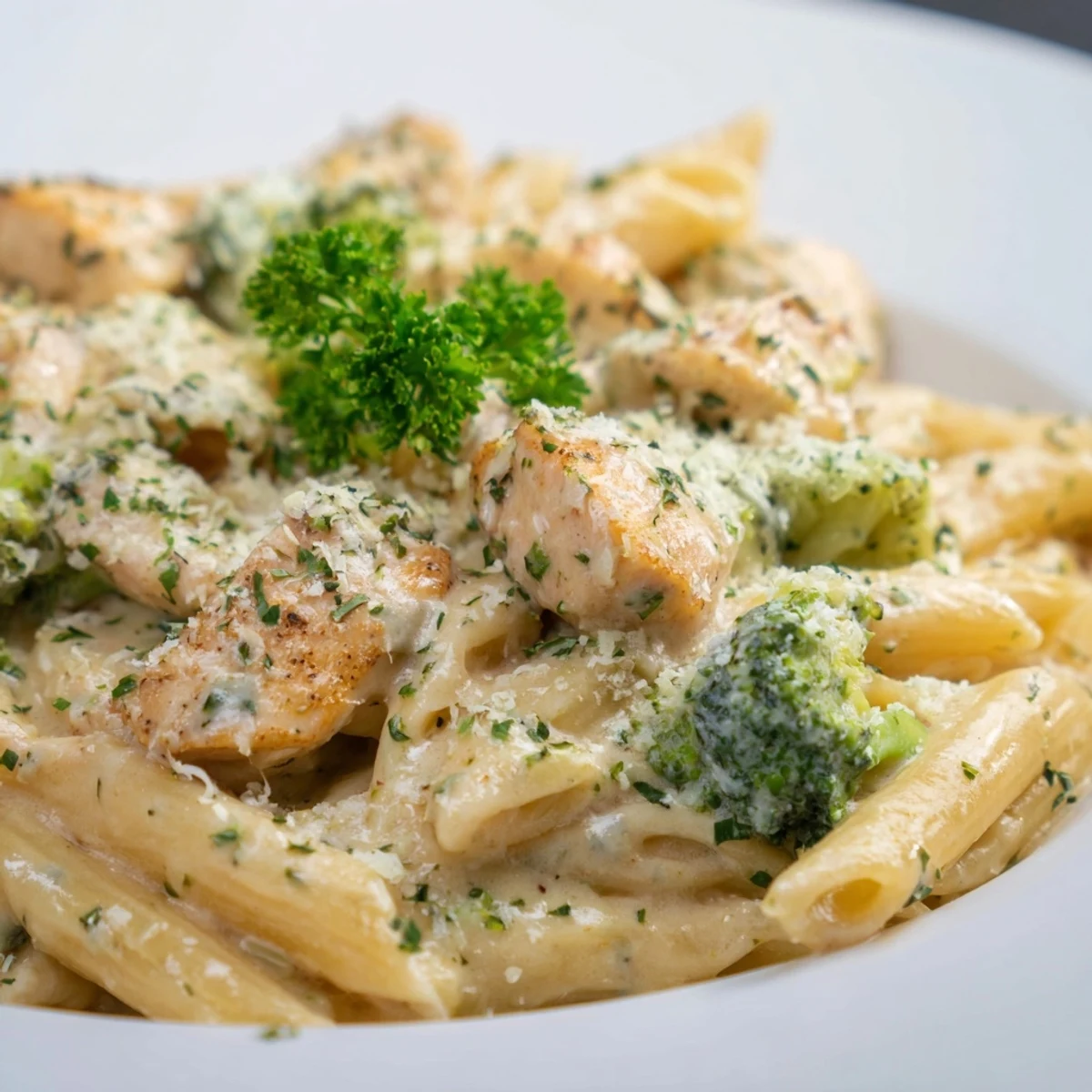
Save This pasta is proof that the best meals don't require complicated techniques or a long list of ingredients you can't pronounce. It's one of those rare recipes that tastes like it took hours but comes together in the time it takes to boil water, and that simplicity is exactly why it keeps finding its way into my rotation.
Common Questions
- → How do I prevent broccoli from overcooking?
-
Add broccoli florets in the last 3 minutes of pasta cooking to keep them tender-crisp and vibrant.
- → What type of pasta works best for this dish?
-
Penne or fusilli hold the creamy sauce well and complement the textures of chicken and broccoli.
- → Can I use a substitute for heavy cream?
-
Yes, half-and-half or whole milk can lighten the sauce, though it will be less rich and thick.
- → How should the chicken be cooked for optimal texture?
-
Sauté chicken pieces in olive oil until golden and cooked through, about 6–8 minutes, for tender, flavorful bites.
- → What is the best way to adjust the sauce consistency?
-
Gradually add reserved pasta water while tossing pasta in the sauce to reach a smooth, desirable thickness.