
 Save
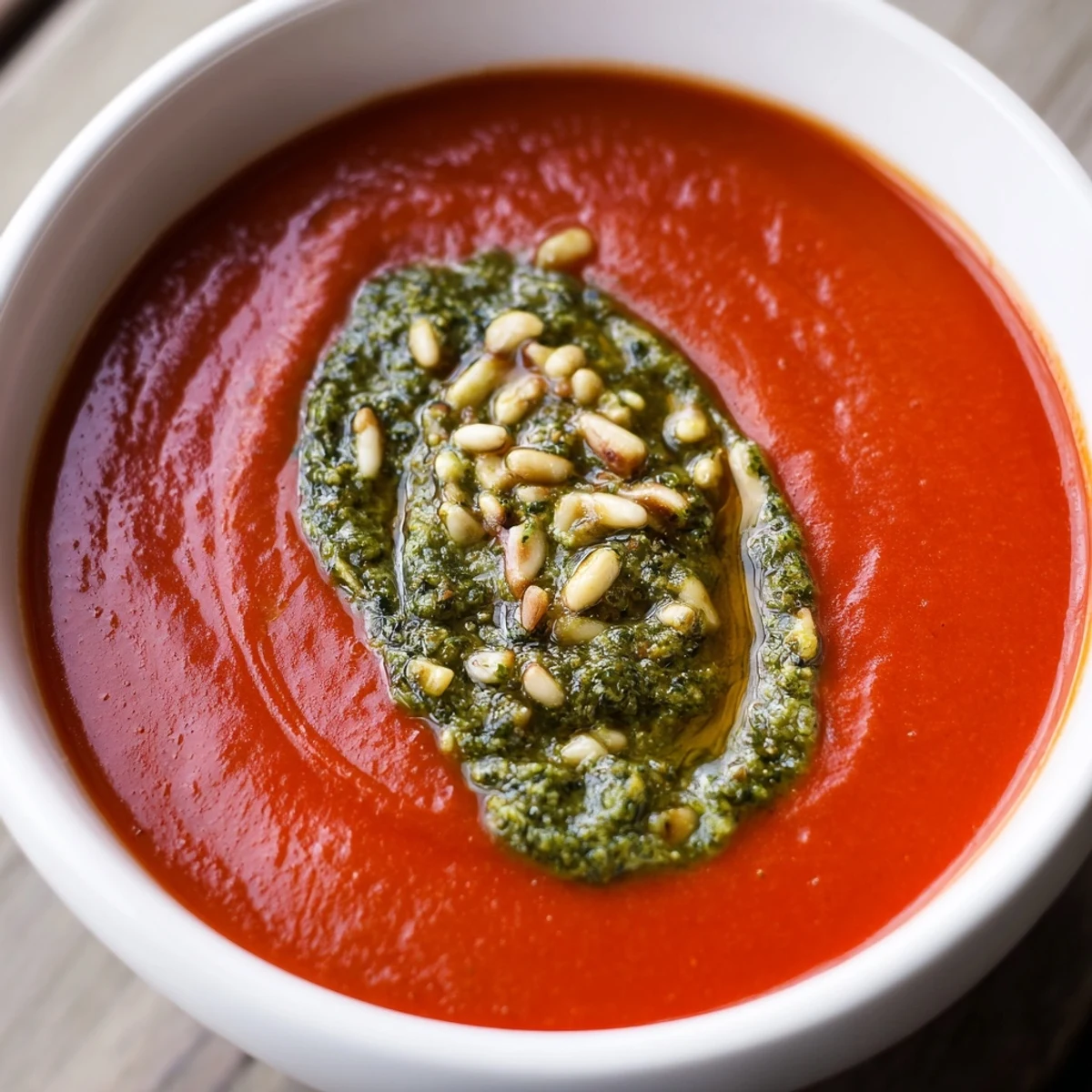
Save Sauté onions and garlic in olive oil, then add chopped tomatoes, paste, broth, and seasonings. Simmer for twenty minutes until tender. Purée the mixture until smooth, stir in heavy cream for richness, and heat through. Blend basil, pine nuts, Parmesan, and garlic into a coarse paste, drizzling in oil. Serve the creamy soup with a generous swirl of the fresh pesto on top for vibrant flavor.
There's something about a pot of tomato soup simmering on the stove that makes everything feel manageable. I discovered this recipe on a gray afternoon when I had a surplus of tomatoes from the farmers market and absolutely no plan. The cream turned what could have been ordinary into something luxurious, and that homemade basil pesto on top felt like the kind of finishing touch that made people think I'd spent hours in the kitchen.
I remember ladling this soup into bowls for my neighbor who'd just moved in, watching her face light up when she tasted that first spoonful and found the pesto swirled throughout. She asked for the recipe before she'd even finished her bowl. That's when I knew it wasn't just good, it was the kind of dish that made people feel cared for.
Ingredients
- Olive oil: Use a good quality oil for sautéing—it's the foundation of flavor, not the place to cut corners.
- Yellow onion: It sweetens as it cooks and becomes almost invisible in the final soup, but the depth it adds is irreplaceable.
- Garlic: Those two cloves are potent, so mince them finely and add them quickly before they burn.
- Ripe tomatoes or canned: If using fresh, choose the ones that smell sweet at the stem end; if using canned, San Marzano varieties have a velvety texture that's worth seeking out.
- Tomato paste: This concentrate of flavor is what makes a simple soup taste like it simmered for hours.
- Vegetable broth: A quality broth makes all the difference—it should taste good on its own, not salty or thin.
- Sugar and salt: The sugar balances the acidity of the tomatoes, a trick that feels counterintuitive until you taste the difference it makes.
- Heavy cream: Just enough to soften the edges without making it feel heavy; it's the comfort in this bowl.
- Fresh basil leaves: Pick them the day you're cooking if possible, and never use the stems—they're bitter.
- Pine nuts: Toast them yourself if you can; it only takes two minutes but brings their flavor alive.
- Parmesan cheese: Freshly grated, never from a shaker—the difference is real.
- Extra-virgin olive oil: Save your best bottle for the pesto, where it actually matters.
Instructions
- Build your base with onion:
- Heat olive oil over medium heat and watch as the onion softens into almost-transparent pieces over about five minutes. You'll know it's ready when it becomes fragrant and slightly golden at the edges, not browned.
- Wake up the garlic:
- Add your minced garlic and cook for just one minute—any longer and it becomes bitter instead of sweet. The smell should make you close your eyes for a second.
- Add tomatoes and paste:
- Stir in the chopped tomatoes and tomato paste, letting them cook for five minutes so the raw taste cooks off and they start to break down. The mixture should look like controlled chaos.
- Build the broth:
- Pour in your vegetable broth, add the sugar and seasonings, and bring everything to a boil before turning the heat down to a gentle simmer. Let it bubble away, uncovered, for twenty minutes—this is when the flavors really get to know each other.
- Make the pesto while soup cooks:
- In a food processor, combine your basil, toasted pine nuts, Parmesan, and garlic, pulsing until everything is finely chopped. With the machine running, drizzle in olive oil slowly until you reach a smooth paste, then taste and adjust salt.
- Blend to silky smoothness:
- Once the soup has simmered, use an immersion blender to purée it directly in the pot, or carefully transfer it to a regular blender in batches. You want it completely smooth, velvety in the way that makes people think you've been cooking for hours.
- Finish with cream:
- Stir in the heavy cream and let everything heat through gently for two to three minutes—you're not trying to boil it, just warm it through and let the flavors marry. Taste and adjust seasoning now, while you can still fix it.
- Serve with the flourish:
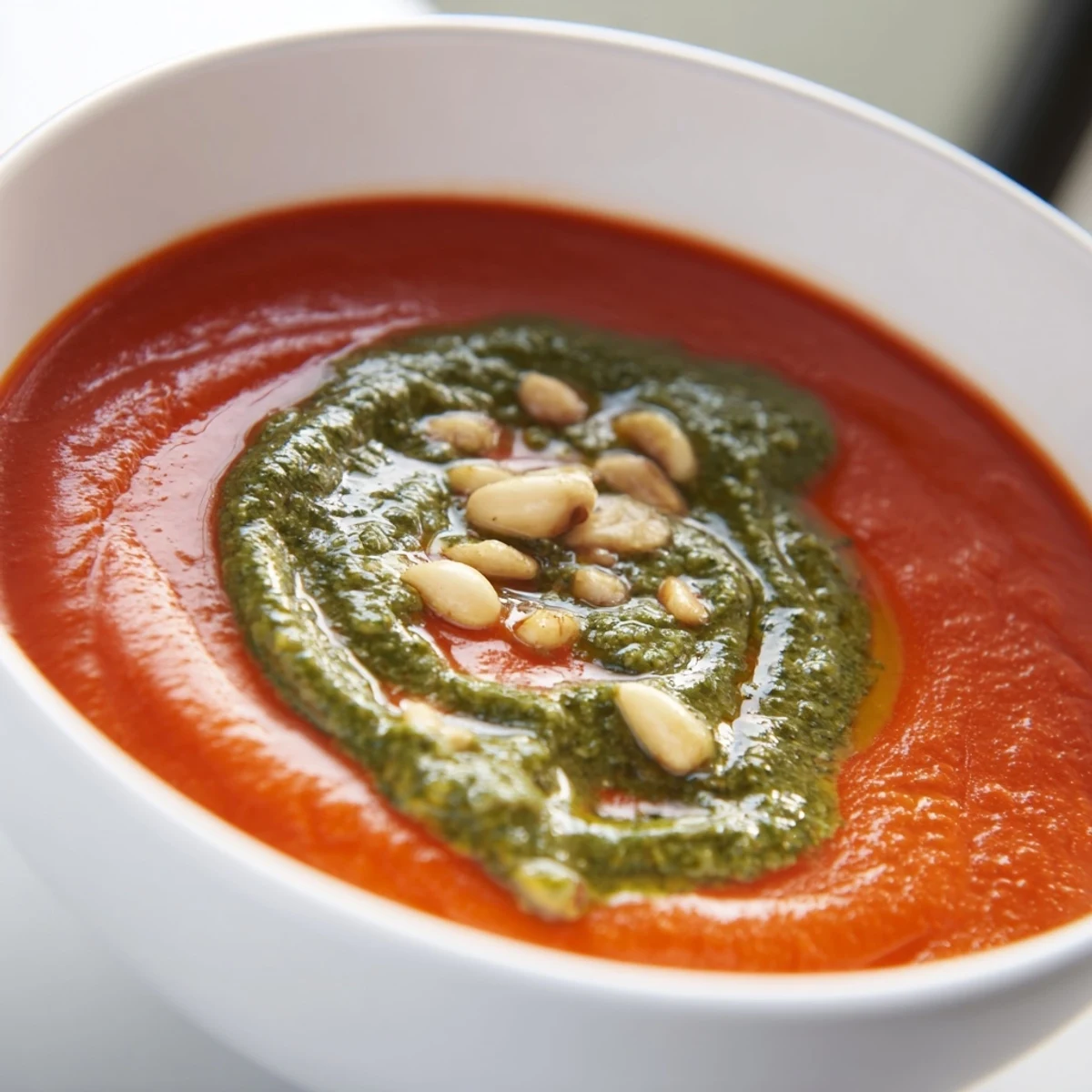
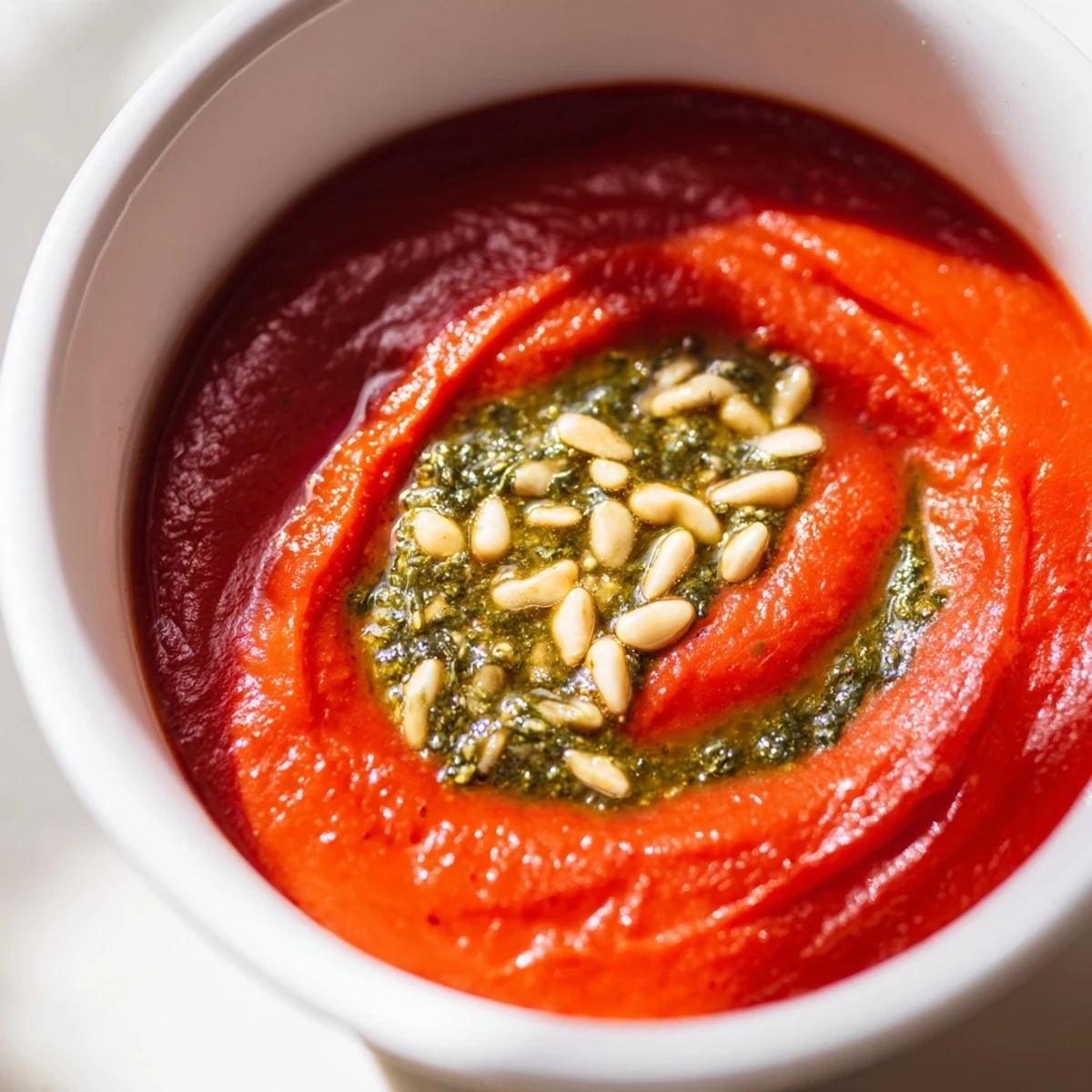
- Ladle the soup into bowls and swirl a generous spoonful of pesto into each one, letting it create those beautiful green ribbons. Serve immediately, while everything is still at its best.
 Save
Save I'll never forget the quiet moment when my friend pulled out her phone at the dinner table and asked if she could photograph it before eating. That's when I realized this wasn't just soup—it was the kind of dish that people wanted to remember and share.
The Magic of Fresh Basil Pesto
The basil pesto is what separates this from being good soup into being the kind you think about days later. Fresh basil has this bright, almost peppery quality that's lost the moment it gets heated, so making the pesto separately and adding it at the very end means it stays vibrant and alive. I learned this the hard way after blending it into the hot soup once and watching all that green color fade into muted green. Now I always keep it separate, a little treasure to swirl in at service.
Variations That Work
This soup is forgiving enough to welcome changes based on what you have and what you're craving. I've made it with roasted red peppers swirled in alongside the pesto, with a handful of torn mozzarella floating on top, and even with crispy prosciutto crumbles for those nights when you want something richer. The base is solid enough that these additions feel like natural companions, not desperate experiments.
Serving and Storage Secrets
This soup keeps beautifully in the refrigerator for four days, and it freezes for up to three months—just leave out the cream when freezing and stir it in after you've reheated and pureed again. The basil pesto is best made fresh the day you serve it, but you can make it a few hours ahead and press plastic wrap directly onto its surface to keep it from browning. Serve with crusty bread or a grilled cheese sandwich if you want to turn it into something more substantial, and always taste before serving to adjust seasoning one last time.
- Make the soup ahead and freeze it without cream for easy weeknight dinners.
- Toast the pine nuts yourself just before making the pesto—thirty seconds in a dry skillet brings their flavor alive.
- Fresh basil makes all the difference, so save this recipe for summer when basil is at its peak.
 Save
Save This is the kind of soup that feels like a quiet hug in a bowl, something that makes you feel both nourished and celebrated. Make it when you need comfort, when you want to impress someone, or just because.
Common Questions
- → Can I make this dish dairy-free?
-
Substitute heavy cream with coconut milk or cashew cream. For the pesto, replace Parmesan cheese with nutritional yeast or a vegan alternative.
- → What nuts work best in the pesto?
-
Pine nuts are traditional, but toasted walnuts or sunflower seeds offer a lovely texture and flavor profile if you prefer a different nut.
- → How should I store the leftovers?
-
Allow the soup to cool completely before transferring it to an airtight container. It will keep well in the refrigerator for up to three days.
- → Can I freeze this for later?
-
Freeze the soup without the cream and pesto added. Thaw overnight in the fridge, reheat, and stir in the cream just before serving.
- → Do I need to peel the tomatoes?
-
If using fresh ripe tomatoes, peeling is optional since you will blend the soup. However, removing skins yields an even silkier texture.