
 Save
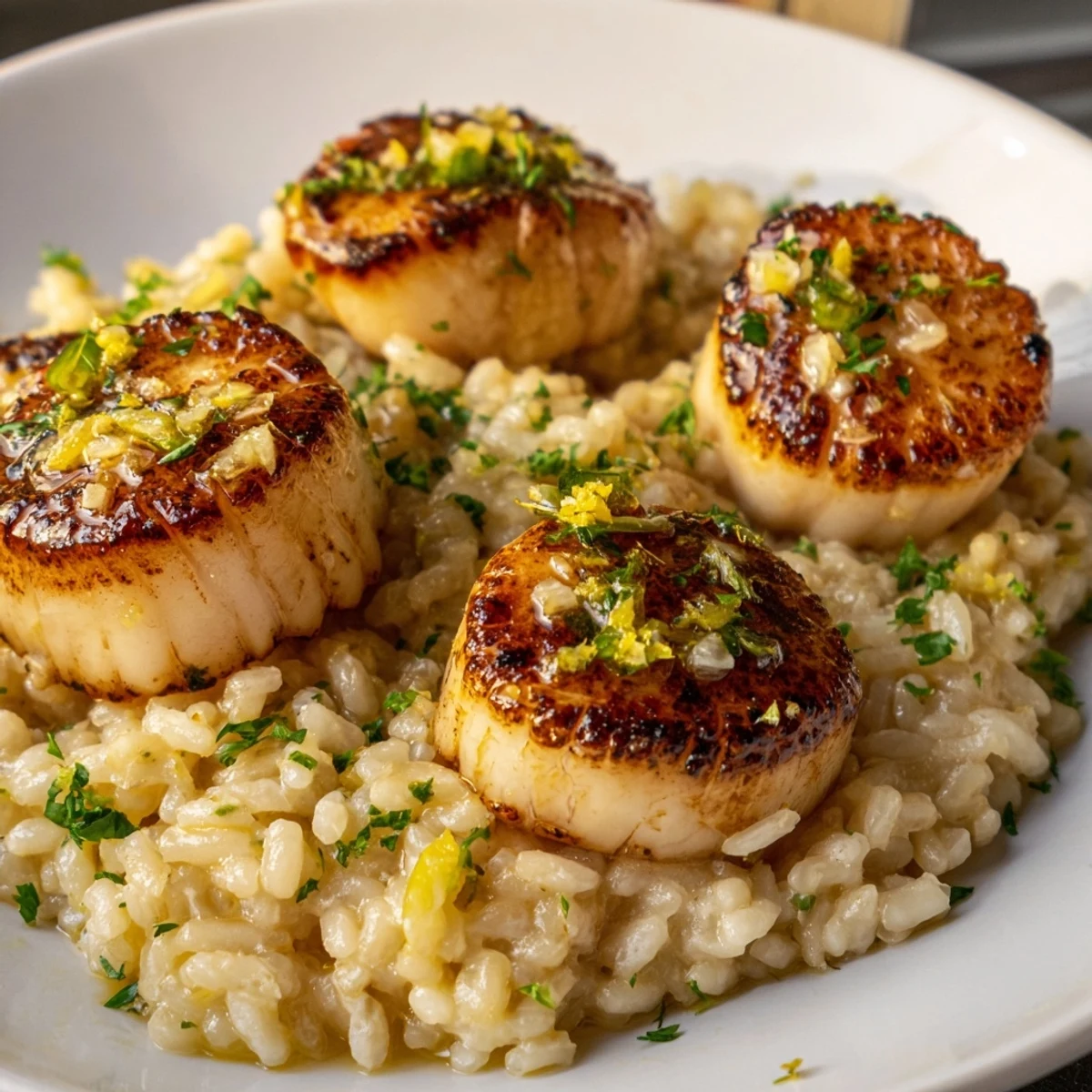
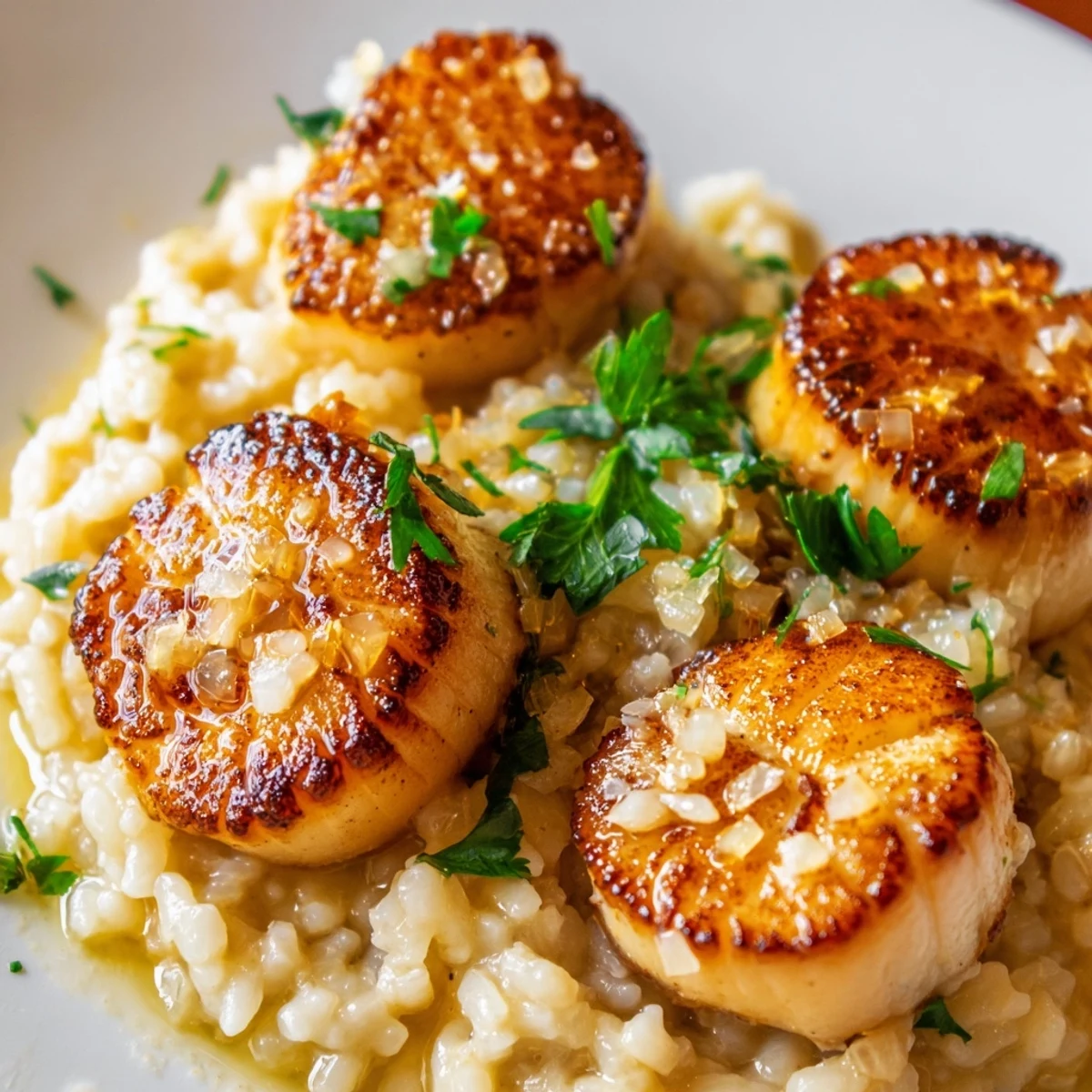
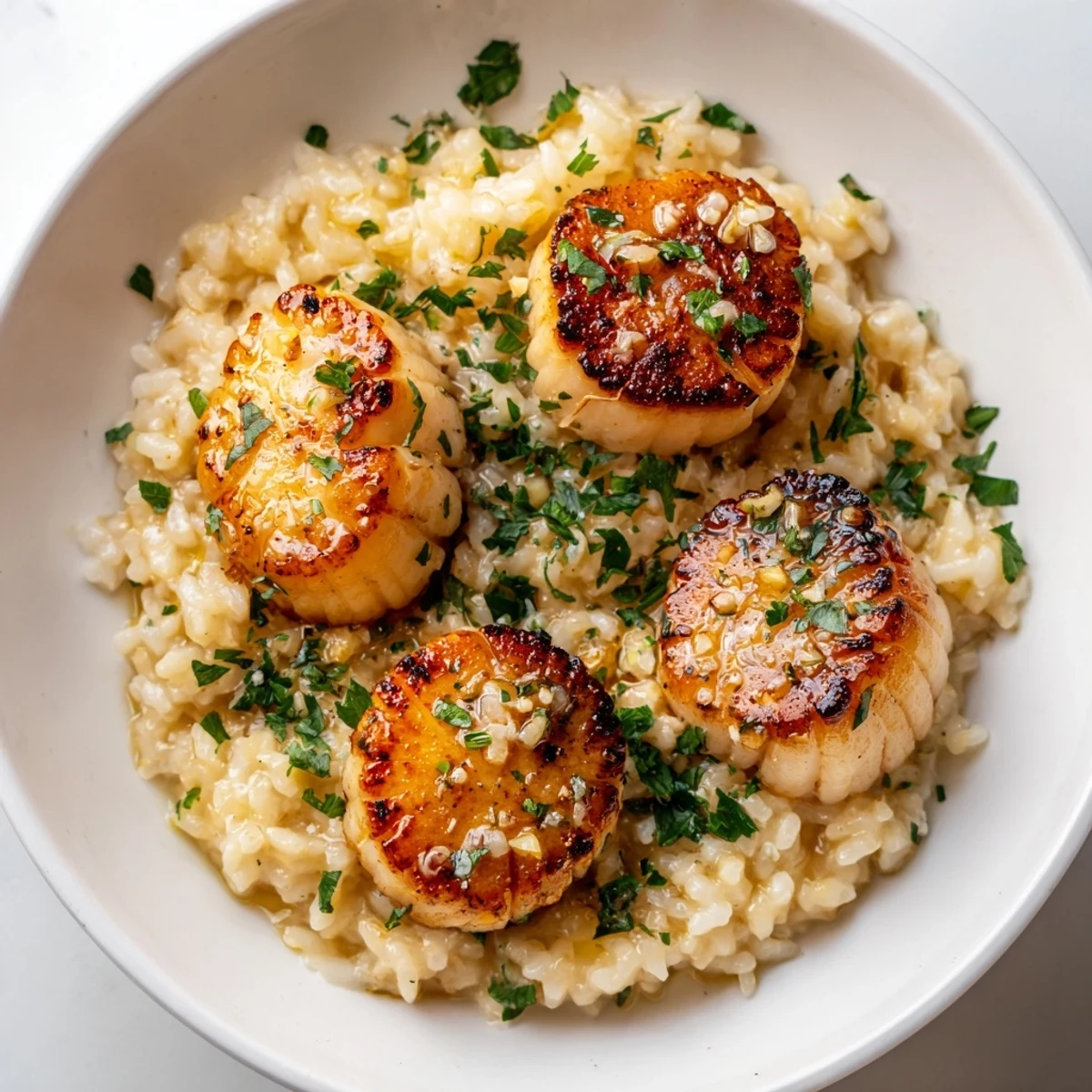
Save This dish features tender sea scallops perfectly seared with garlic and bright lemon zest. They’re served atop a creamy, slow-cooked arborio rice risotto enriched with Parmesan and heavy cream. The risotto’s silky texture and subtle wine notes complement the citrusy scallops, garnished with fresh parsley for burst of freshness. Ideal for a sophisticated dinner, it balances flavors and textures beautifully within 55 minutes of preparation and cooking combined.
The first time I made scallops at home, I was terrified I would ruin those expensive little gems. I had ordered them at restaurants countless times, but that restaurant quality sear felt like kitchen magic beyond my reach. That night, I learned that scallops are actually forgiving if you respect them enough to leave them alone while they cook. Now this dish has become my go to for dinner parties because it looks impressive but comes together in under an hour.
Last winter, my partner came home exhausted from a grueling week at work, and I wanted to make something that felt like a hug on a plate. The risotto requires that meditative stirring that I find calming after chaotic days, and the scallops cook so quickly that dinner was ready in no time. We sat at the table with candles and good wine, pretending we were at that little Italian place we visited on our anniversary. Sometimes food becomes a memory more than a meal.
Ingredients
- 16 large sea scallops: Dry scallops are crucial here because wet ones release water and steam instead of developing that gorgeous golden crust we are after
- 1 tablespoon olive oil: High smoke point means we can get the pan hot enough for proper searing without burning
- 1 tablespoon unsalted butter: Adds richness and helps with browning, plus butter makes everything taste better
- 2 cloves garlic, minced: Fresh minced garlic burns less easily than jarred varieties, giving us that aromatic sweetness without bitterness
- Zest of 1 lemon: The oils in the zest carry all the bright fragrance without adding acidity that could toughen the scallops
- 1 tablespoon lemon juice: Added at the very end to preserve its fresh pop and cut through the richness
- Salt and freshly ground black pepper: Scallops need adequate seasoning to let their natural sweetness shine through
- 2 tablespoons chopped fresh parsley: Adds a fresh herbal finish and beautiful color contrast against the golden scallops
- 1 1/2 cups arborio rice: This high starch rice is what creates risotto is signature creamy texture without actually adding cream
- 4 cups low sodium chicken or vegetable broth: Low sodium lets us control seasoning because the broth reduces as the risotto cooks
- 1 small onion, finely chopped: Foundation flavors that build depth as they slowly soften in butter and olive oil
- 2 cloves garlic, minced: Because garlic is never a mistake, especially when building a flavorful base
- 2 tablespoons unsalted butter: Creates that luxurious mouthfeel that makes restaurant risotto so irresistible
- 2 tablespoons olive oil: Prevents the butter from burning while still contributing to the rich flavor profile
- 1/2 cup dry white wine: Acid cuts through richness and adds complexity that plain broth cannot achieve
- 1/2 cup grated Parmesan cheese: Adds umami depth and creates that perfectly creamy finish we crave in good risotto
- 1/4 cup heavy cream: The secret to making risotto feel like a special occasion indulgence
- Salt and freshly ground black pepper: Essential for bringing all the flavors together at the end
Instructions
- Start the risotto foundation:
- In a large saucepan, heat the olive oil and butter over medium heat until the butter foams. Add the chopped onion and sauté until translucent and fragrant, about 3 minutes. Add the garlic and cook for just 1 minute until you catch that aromatic wave but before it can brown or become bitter.
- Toast the rice:
- Stir in the arborio rice and cook for 1 to 2 minutes, watching the edges become slightly translucent while the centers stay opaque. This toasting step helps the grains hold their texture through all that stirring and prevents the risotto from turning into mush.
- Deglaze with wine:
- Pour in the white wine and stir constantly until it has completely disappeared into the rice. The smell of the wine reducing is one of those kitchen moments that makes you feel like you know what you are doing.
- Add broth gradually:
- Begin adding the warm broth one ladle at a time, stirring frequently and waiting until each addition is almost fully absorbed before adding more. This slow process is what releases the rice is natural starch and creates that silken consistency. Continue for 18 to 20 minutes until the rice is tender but still has a slight bite at the center.
- Finish the risotto:
- Stir in the Parmesan cheese and heavy cream, then season with salt and pepper to taste. Remove from heat, cover, and keep warm while you cook the scallops. The risotto will continue to soften slightly as it rests, which is exactly what we want.
- Prep the scallops:
- Pat the scallops extremely dry with paper towels because any moisture will prevent proper browning. Season both sides generously with salt and pepper, pressing gently to help it adhere.
- Sear to perfection:
- Heat the olive oil and butter in a large skillet over high heat until the butter is foaming and golden. Add the scallops in a single layer without overcrowding the pan. Let them sear undisturbed for 2 minutes until a deep golden crust forms.
- Flip and finish:
- Carefully turn each scallop and cook for 2 minutes on the other side until just opaque throughout. Do not overcook or they will become rubbery and disappointing.
- Add aromatics:
- Reduce heat to low and add the minced garlic, cooking for just 30 seconds until fragrant. Add the lemon zest and juice, swirling the pan to coat the scallops in those bright pan juices.
- Plate with care:
- Spoon the creamy risotto onto warmed plates and arrange the seared scallops on top. Garnish with chopped fresh parsley and serve immediately while the scallops are still hot and the risotto is at its silkiest.
 Save
Save This recipe became a tradition for our anniversary dinner because it is fancy enough to feel special but familiar enough to make at home without stress. There is something intimate about standing at the stove, stirring risotto and sipping wine while the person you love sets the table. Some meals are just events, but this one has become part of our story.
Getting That Perfect Sear
The secret to restaurant quality scallops is patience with the heat. Resist the urge to move them around once they hit the pan because that golden crust can only form through uninterrupted contact with the hot surface. I used to constantly check and flip, resulting in scallops that were cooked through but never developed that gorgeous caramelization. Now I set a timer and walk away for two full minutes, trusting the process. The reward is worth the restraint.
Risotto Meditation
Risotto has taught me to embrace slow cooking in a world that is always rushing. There is something meditative about the rhythm of adding broth, stirring, waiting, and adding more. I used to resent the active time it demanded, but now I see it as an opportunity to be present in the kitchen with a glass of wine and some good music. The transformation from hard grains to creamy luxury happens gradually, teaching that good things cannot be rushed.
Wine Pairing Wisdom
The same white wine you use in the risotto makes an excellent pairing for the finished dish because those flavor notes echo beautifully on the plate. A crisp Pinot Grigio or Sauvignon Blanc cuts through the richness while complementing the bright lemon and sweet scallops. I learned this trick from a chef who told me that cooking wine and drinking wine should always come from the same bottle for harmony.
- Chill your white wine properly because too cold masks the flavors and too warm emphasizes the alcohol
- Pour yourself a glass while you cook because risotto stirring is always better with wine in hand
- Save a splash of wine to add at the very end with the lemon for an extra layer of brightness
 Save
Save This dish is proof that elegant cooking does not require complicated techniques or hard to find ingredients. Just good scallops, patience, and the willingness to stand at the stove for a while.