
 Save
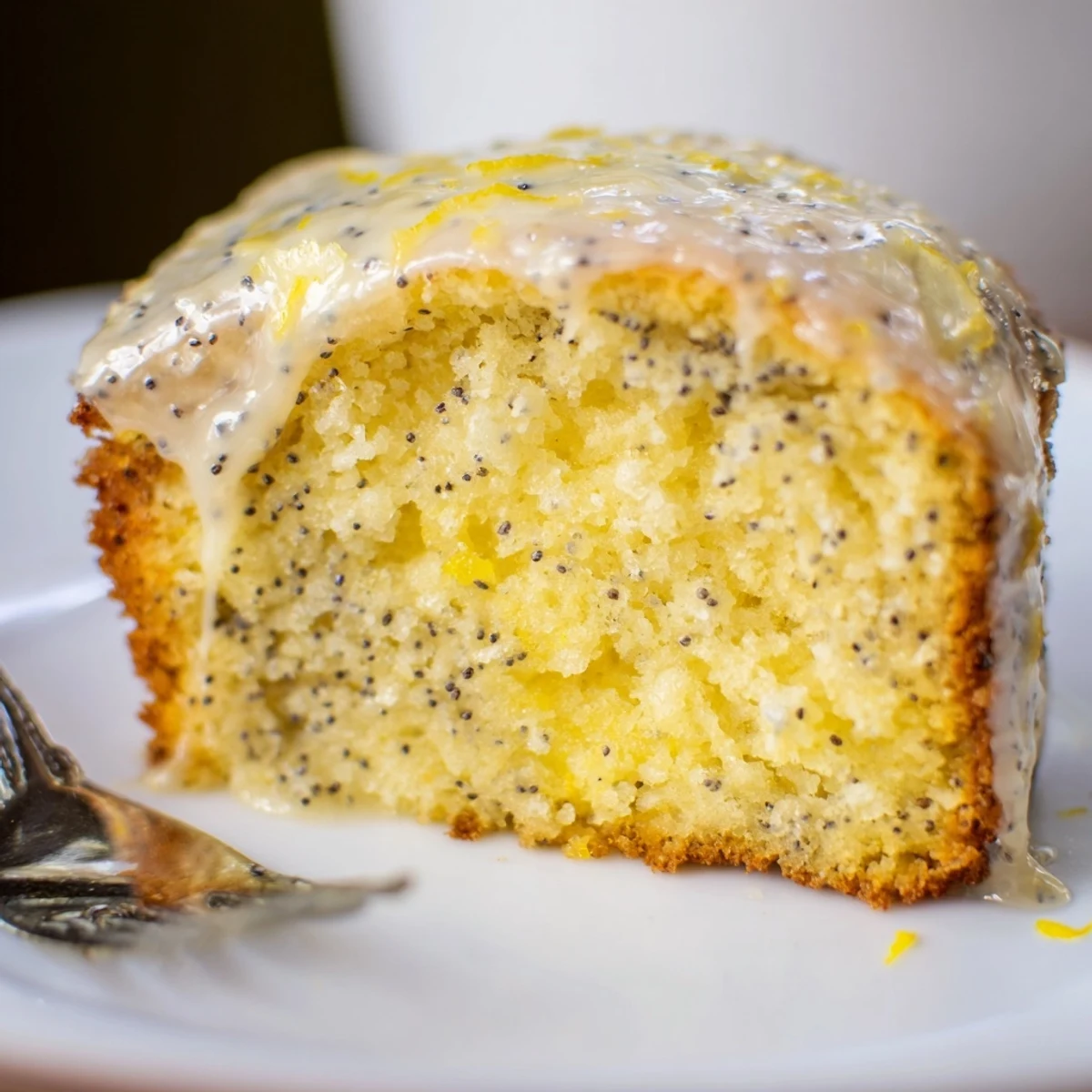
Save This tender lemon poppy seed cake delivers bright citrus flavor in every bite. Fresh lemon zest and juice create a refreshing crumb, while poppy seeds add subtle texture throughout. The finished cake gets a sweet-tart lemon glaze that seeps into the top layer, adding extra moisture and tangy sweetness.
Baking takes about 45 minutes in a Bundt or loaf pan, resulting in a golden exterior and soft interior. The cake improves slightly after cooling, making it ideal for preparing ahead. Serve at room temperature with tea or coffee, or dress it up with whipped cream for dessert.
The air in my tiny apartment kitchen was thick with the scent of lemons, zest flying everywhere as I grated them a bit too enthusiastically. I was baking this cake for a friend's birthday, completely convinced it would be a disaster, but sometimes the most chaotic kitchen moments produce the best results. When she took that first bite and her eyes lit up, I knew this recipe was a keeper. Now it's my go-to whenever I need something that feels special without requiring professional pastry skills.
Last summer, I made three of these cakes in one weekend for different gatherings. My grandmother called me just as I was pulling the third one from the oven, and I remember holding the phone with one hand while trying to glaze with the other. She laughed so hard when I explained the situation, then told me about the lemon cakes she used to bake in her wood-fired oven. Some recipes carry memories like that, passed down through the rhythm of measuring and mixing.
Ingredients
- 2 1/2 cups all-purpose flour: The foundation that holds everything together, though I've learned not to pack it down when measuring
- 2 tablespoons poppy seeds: Those tiny seeds that add the most satisfying little crunch throughout every bite
- 2 teaspoons baking powder and 1/2 teaspoon baking soda: The lift that turns this from dense to delightfully airy
- 1/2 teaspoon salt: Just enough to make all that lemon sing instead of falling flat
- 1 cup unsalted butter, softened: Room temperature is non-negotiable here, cold butter creates a sad, heavy cake
- 1 1/2 cups granulated sugar: Cream this with the butter until you cannot tell where one ends and the other begins
- 4 large eggs: Also at room temperature, they incorporate better and create a more uniform crumb
- 1 tablespoon lemon zest: Use a microplane and press gently to get only the bright yellow part, none of the bitter white pith
- 1/4 cup fresh lemon juice: Strain it to catch any pulp or seeds that might disrupt the silky texture
- 1 teaspoon pure vanilla extract: Do not skip this, it rounds out the sharp citrus with something warm and comforting
- 1 cup whole milk: Full fat makes a difference here, the cake needs that richness to stay moist
- 1 cup powdered sugar: Sift it first or your glaze will have lumps that never quite dissolve
- 2 to 3 tablespoons fresh lemon juice: Start with two and add more until you reach that perfect pourable consistency
Instructions
- Get your oven and pan ready:
- Preheat to 350°F and generously grease a Bundt pan, getting into all those crevices where cake loves to stick
- Whisk your dry team:
- Combine the flour, poppy seeds, baking powder, baking soda, and salt in a medium bowl, breaking up any clumps
- Cream butter and sugar:
- Beat them together for a full 3 minutes until the mixture turns pale and fluffy, this creates those tiny air pockets
- Add the eggs:
- Drop them in one at a time, letting each fully incorporate before adding the next, then stir in the zest, juice, and vanilla
- Bring it all together:
- Add the dry ingredients in three parts, alternating with milk, beginning and ending with the flour mixture, stopping the moment the last streak disappears
- Bake until golden:
- Pour the batter into your prepared pan, smooth the top, and bake for 45 to 50 minutes until a tester comes out clean
- The patience part:
- Let the cake cool in the pan for exactly 15 minutes before turning it out, any sooner and it might break apart
- Make the magic glaze:
- Whisk the powdered sugar with lemon juice until thick but pourable, then drizzle it over the completely cooled cake
 Save
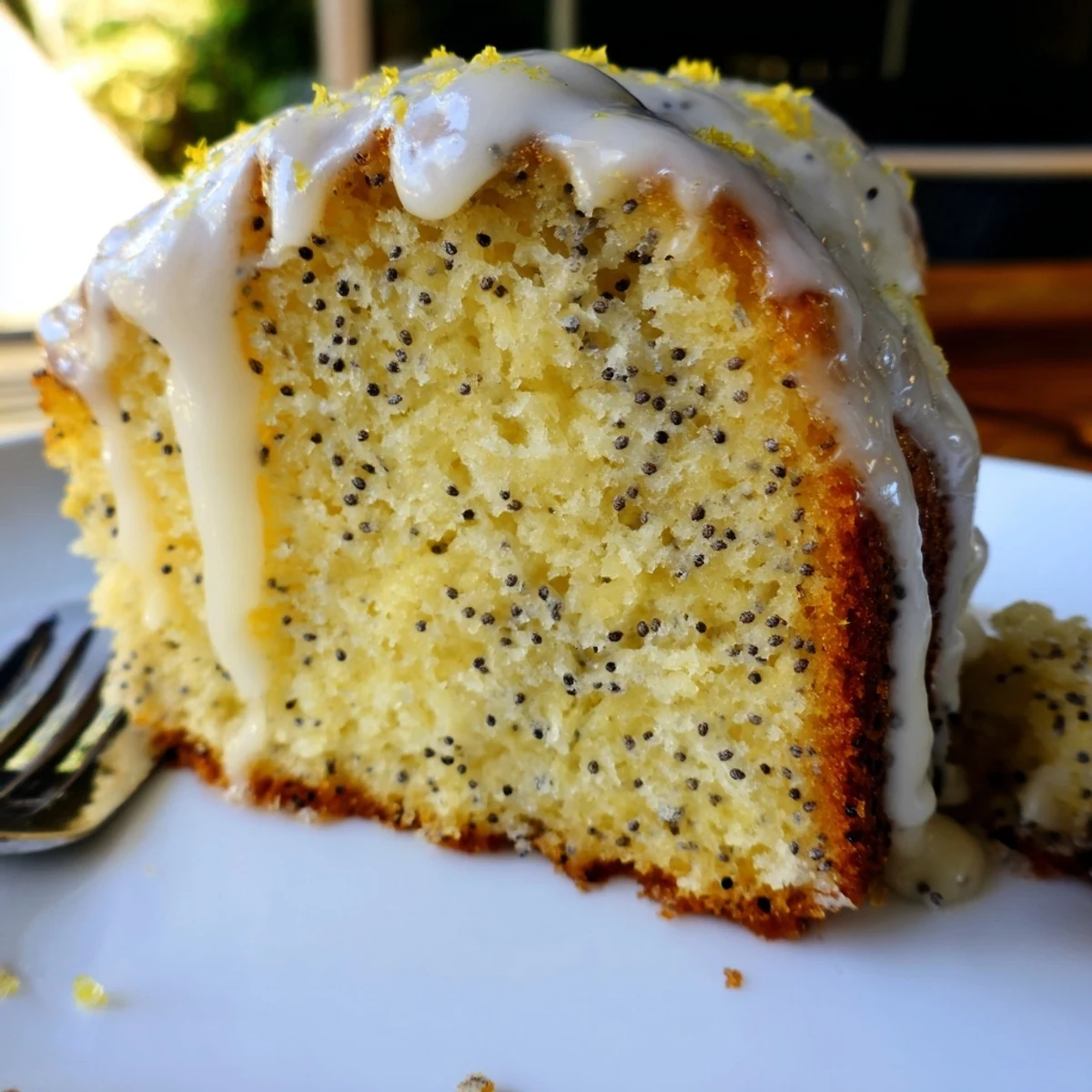
Save My youngest sister requested this cake for her graduation instead of a fancy bakery dessert. We sat around the table, the glaze still slightly tacky, eating slice after slice and talking about everything and nothing. Sometimes food becomes the backdrop to the moments that matter most.
Making It Ahead
This cake actually tastes better on day two, once all those lemon flavors have had time to settle and deepen. Wrap it tightly and let it rest overnight at room temperature, the texture becomes even more incredible.
Serving Suggestions
A slice of this with afternoon tea feels like the most civilized thing imaginable, though it is equally happy next to a cup of black coffee. I have also served it with fresh berries and a dollop of whipped cream when I wanted to dress it up for company.
Storage and Keeping
Keep the cake covered at room temperature for up to three days, though in my house it never lasts that long. If you need to store it longer, wrap individual slices and freeze them for up to a month.
- Bring frozen slices to room temperature before serving for the best texture
- The glaze will become sticky in humid weather, this is completely normal
- Never refrigerate the cake, it dries out faster than you would expect
 Save
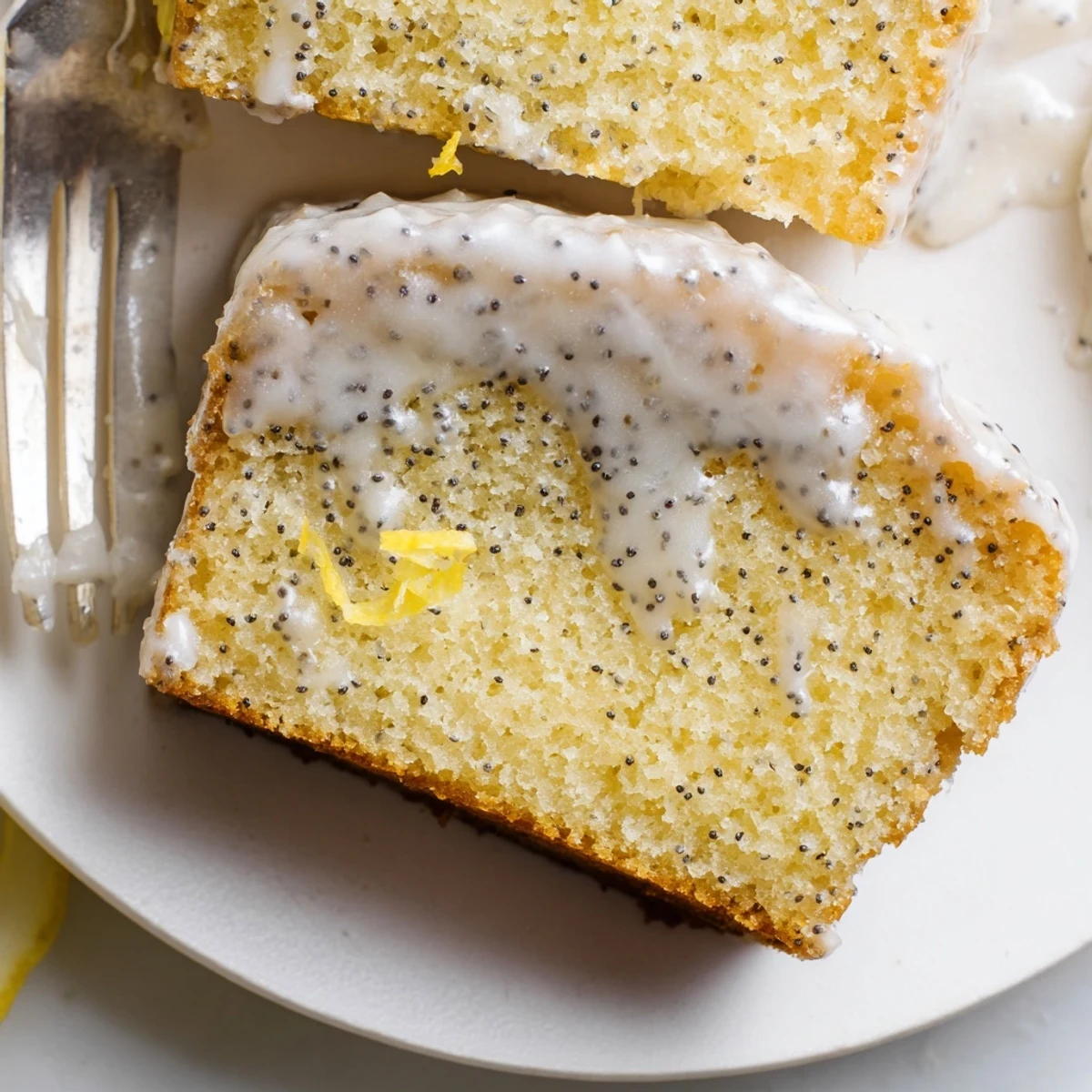
Save Every time I pull this cake from the oven, I am reminded that the simplest recipes often bring the most joy. Happy baking, friend.
Common Questions
- → Can I make lemon poppy seed cake ahead of time?
-
Yes, this cake actually tastes better the next day as flavors meld. Wrap tightly and store at room temperature for up to 3 days, or refrigerate for up to a week. Add glaze before serving.
- → Why add lemon juice to the batter?
-
Lemon juice provides acidity that activates baking soda for better rise, while intensifying the bright citrus flavor. It also balances sweetness and creates a tender crumb structure.
- → What's the purpose of alternating wet and dry ingredients?
-
This technique prevents overmixing, which develops gluten and makes cake tough. Alternating ensures even distribution while keeping the texture light and tender.
- → Can I freeze this cake?
-
Absolutely. Wrap the unglazed cake tightly in plastic wrap and foil, then freeze for up to 3 months. Thaw overnight at room temperature before adding glaze.
- → How do I know when the cake is done?
-
Insert a toothpick into the center—it should come out clean or with just a few moist crumbs. The edges will pull slightly from the pan, and the top will spring back when gently pressed.
- → What pan works best for this cake?
-
A 10-cup Bundt pan creates a beautiful presentation with even baking. A 9x5-inch loaf pan also works well, though baking time may increase slightly due to thicker batter depth.