
 Save
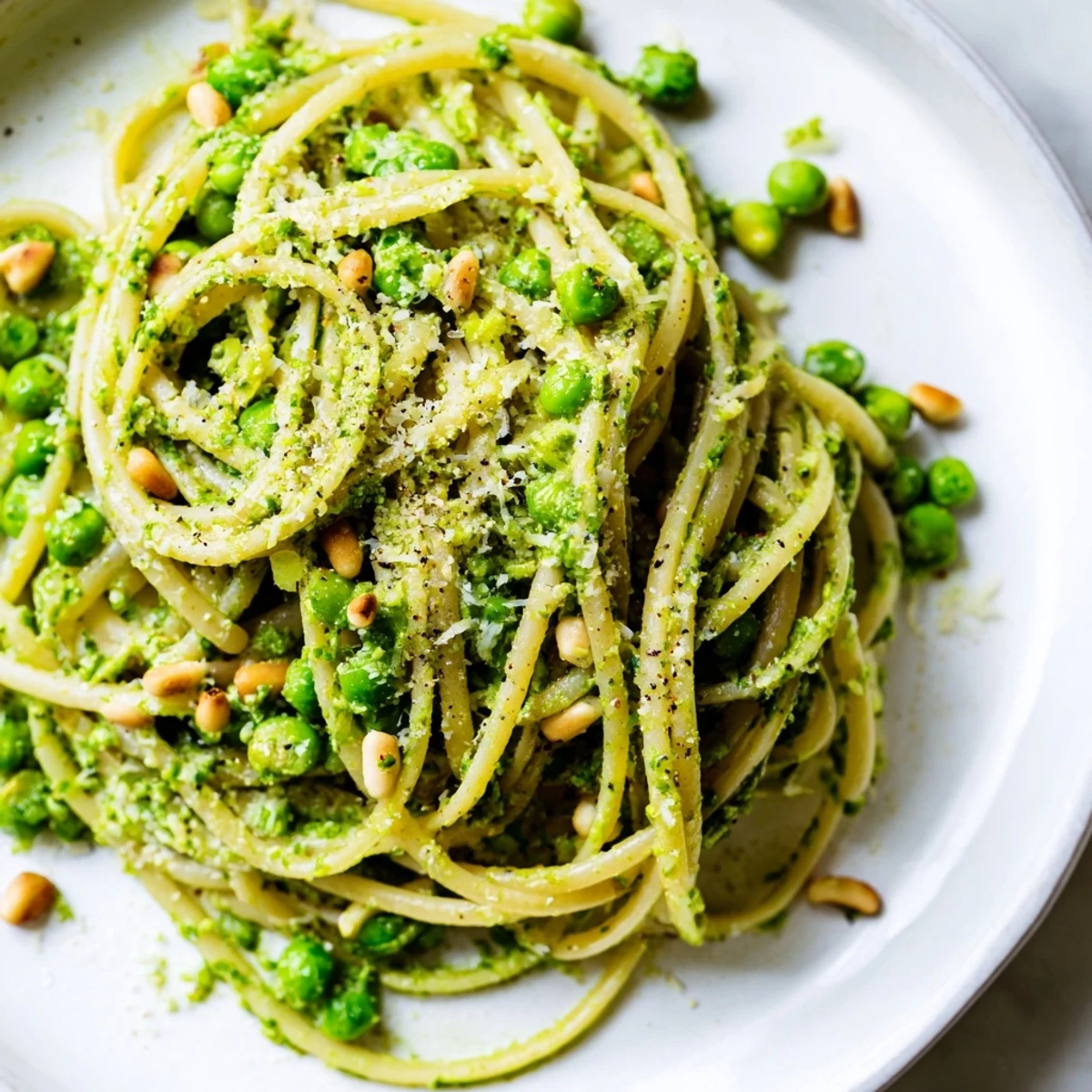
Save This dish combines tender pasta with a bright, herbaceous sauce made from fresh peas, mint, basil, toasted pine nuts, Parmesan, garlic, and lemon. The pesto is blended until smooth and gently tossed with al dente pasta, using reserved pasta water to achieve the perfect consistency. A final sprinkle of pine nuts, black pepper, and Parmesan adds texture and depth.
Quick and easy to prepare in 30 minutes, this Italian-inspired main is ideal for vegetarians and offers fresh, spring flavors with a delicate crunch from toasted pine nuts. Optional additions like spinach or arugula can enrich the greens.
The first time I made this pesto was on a rainy April afternoon when fresh peas had just appeared at the farmers market. Something about that bright green color felt like an act of rebellion against all the gray outside. My kitchen smelled like spring was happening right there on the cutting board, and I knew I was onto something special when my normally pesto-skeptical roommate came wandering in, drawn by the mint.
I served this at my first dinner party in a new apartment, feeling slightly fraudulent about how effortless it came together. Watching friends scrape their plates clean, asking for seconds, asking for the recipe, I realized sometimes the simplest dishes are the ones that make people feel most taken care of.
Ingredients
- 12 oz dried pasta: Choose something that will catch the pesto, like penne or fusilli, though linguine works beautifully too
- Salt: Be generous with the pasta water, it should taste like the ocean
- 1½ cups fresh or frozen peas: Even frozen peas work wonderfully here, just thaw them completely
- ½ cup fresh mint leaves: This is the secret ingredient that makes everything sing
- ½ cup fresh basil leaves: Provides the traditional pesto backbone while mint takes it somewhere new
- ⅓ cup toasted pine nuts: Toast them yourself, the difference in flavor is worth every second
- ⅓ cup freshly grated Parmesan cheese: Grate it yourself, pre-grated never melts quite right into sauces
- 1 small garlic clove: One is enough, you want a hint not an overwhelming punch
- ½ teaspoon fine sea salt: Adjust depending on how salty your Parmesan is
- ¼ cup extra-virgin olive oil: Use the good stuff, you can really taste it here
- Juice of ½ lemon: Brightens everything and keeps the pesto from feeling too heavy
Instructions
- Get your pasta water going:
- Bring a large pot of generously salted water to a boil while you prep everything else
- Toast the pine nuts:
- Cook them in a dry skillet over medium heat, stirring constantly until golden and fragrant, about 2 to 3 minutes
- Make the pesto base:
- Pulse the peas, mint, basil, toasted pine nuts, Parmesan, garlic, and salt in a food processor until finely chopped
- Add the liquid:
- With the processor running, drizzle in the olive oil and lemon juice until smooth, adding pasta water if it feels too thick
- Bring it all together:
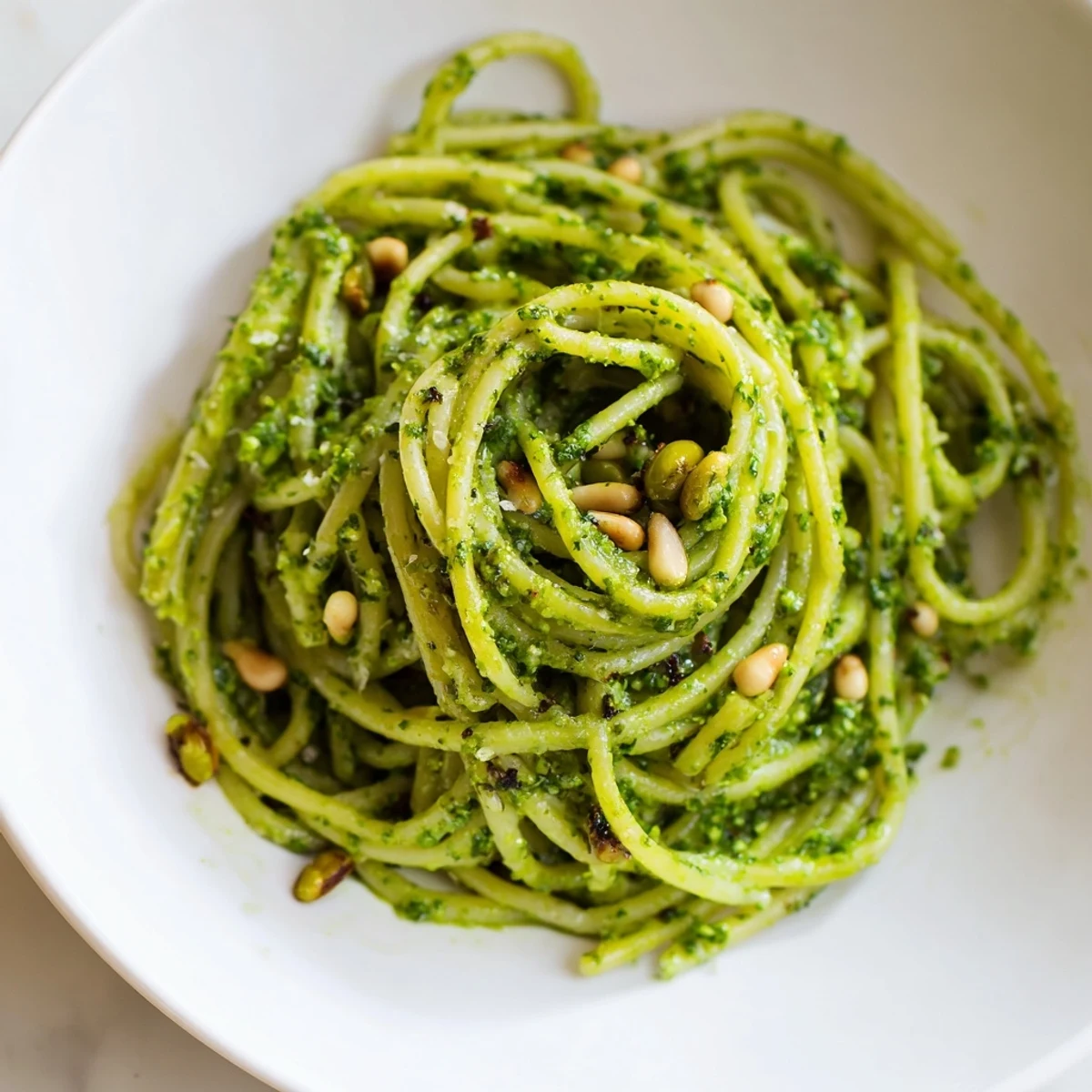
- Toss the hot drained pasta with the pesto, using reserved pasta water to create a silky coating that clings to every strand
- Finish with flair:
- Top with extra pine nuts, freshly cracked black pepper, and more Parmesan while still steamy
 Save
Save This became my go-to spring dish, the one I make when I need to feel like the world is full of possibility again. There is something about eating something this green and vibrant that feels like an act of hope.
Making It Your Own
Sometimes I throw in a handful of arugula with the herbs for extra peppery bite. Other times I have swapped almonds for pine nuts when the budget was tight and still ended up with something completely craveable.
Pairing Suggestions
A crisp white wine cuts through the richness perfectly, something like Sauvignon Blanc with its own grassy notes. A simple green salad with lemon vinaigrette keeps the meal light but satisfying.
Timing Is Everything
I have learned to make the pesto while the pasta water comes to a boil, so everything is ready to come together the moment the pasta is drained. The contrast of hot pasta against cool, fresh pesto is part of what makes this so special.
- Have all your ingredients measured before you start
- Toast extra pine nuts for garnish while you make the pesto
- Serve immediately while the pasta is still hot enough to slightly warm the pesto
 Save
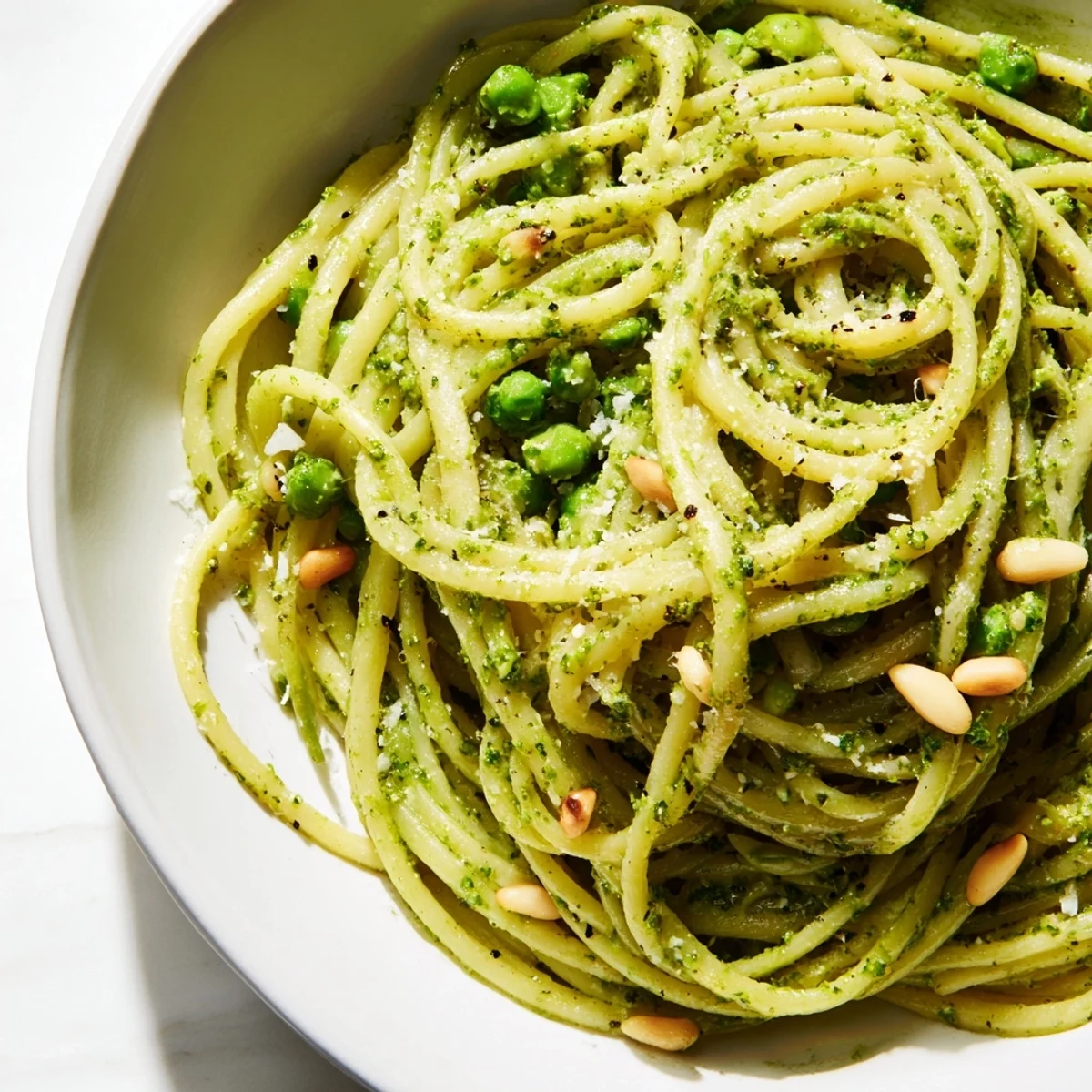
Save There is something deeply satisfying about eating something this beautiful that came together so quickly. Spring in a bowl, really.
Common Questions
- → How do you achieve the perfect pesto texture?
-
Blend peas, herbs, pine nuts, cheese, and garlic until smooth. Add reserved pasta water gradually to reach a creamy, pourable consistency that clings well to pasta.
- → Can I substitute Parmesan cheese?
-
Yes, nutritional yeast is a great vegan alternative that adds a savory, cheesy flavor without dairy.
- → What pasta types work best with this dish?
-
Long shapes like spaghetti or linguine and short shapes like penne all work well, as they hold the pesto nicely.
- → How do toasted pine nuts enhance the dish?
-
Toasting brings out their natural oils and adds a rich, nutty aroma and crunchy texture that complements the fresh pesto.
- → Can I use frozen peas in the pesto?
-
Frozen peas can be used if thawed first; they provide a similar sweetness and vibrant color to fresh peas.
- → What are some good wine pairings?
-
Crisp white wines such as Sauvignon Blanc or Pinot Grigio balance the fresh herbs and creamy pesto perfectly.