
 Save
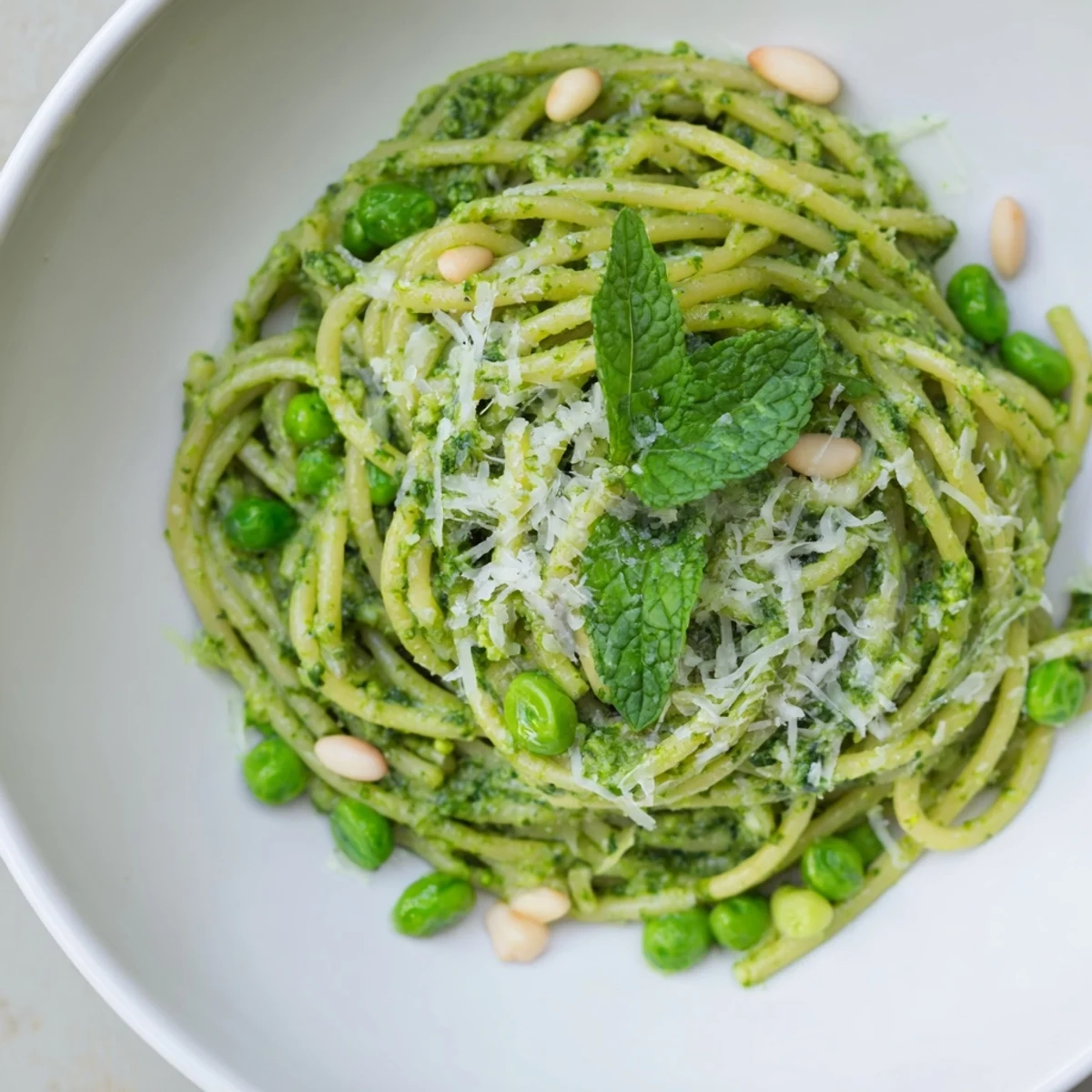
Save This dish features tender pasta tossed in a lively pesto made from fresh spring peas, mint, and basil. Toasted pine nuts and grated Parmesan enrich the sauce, while lemon zest adds brightness. The pesto is blended until creamy and is gently combined with pasta, using reserved cooking water to perfect the texture. Garnished with extra peas and herbs, it's a light, fresh, and satisfying dish with Italian flavors, ready in under 30 minutes.
The first time I made this pea and mint pesto, I was skeptical about the mint basil combination. One whirl in the food processor changed my entire perspective. The bright herbal punch against sweet peas felt like discovering a new color. Now it's my go to when I want something that feels celebratory but takes barely any effort.
Last spring I served this at a dinner party when friends were running late. The pesto waited patiently in the fridge, and I just tossed it with hot pasta when everyone arrived. My friend Sarah actually asked for the recipe before she'd even finished her first bite. That's when I knew this wasn't just a quick dinner, it was a keeper.
Ingredients
- 350 g dried pasta: Spaghetti or fusilli both work wonderfully, but choose something with texture to catch the pesto
- Salt for pasta water: Don't skimp here, well salted water is the foundation of flavorful pasta
- 150 g fresh or thawed frozen peas: If using frozen, give them a quick blanch to brighten the color
- 30 g fresh mint leaves: The unexpected star that makes this pesto sing
- 30 g fresh basil leaves: Classic basil grounds the mint and keeps it from overpowering
- 50 g toasted pine nuts: Toasting them first brings out their buttery, nutty depth
- 60 g grated Parmesan cheese: Adds umami and helps create a silky texture
- 1 garlic clove: Just enough to bridge the flavors without overwhelming the delicate herbs
- Zest and juice of 1 lemon: Essential brightness that makes everything pop
- 80 ml extra virgin olive oil: Use good quality oil since it's a starring ingredient
- Salt and freshly ground black pepper: Taste and adjust, the pesto should be slightly overseasoned since it coats pasta
Instructions
- Get your pasta water going:
- Bring a large pot of salted water to a boil while you prep the pesto ingredients. The water should taste like the sea.
- Cook the pasta to perfection:
- Cook pasta according to package directions until al dente, then reserve about 120 ml of that starchy pasta water before draining. This liquid gold is your secret weapon.
- Build the pesto base:
- In your food processor, combine peas, mint, basil, toasted pine nuts, Parmesan, garlic, lemon zest, and lemon juice. Pulse until everything is finely chopped and starting to come together.
- Create silky pesto:
- With the processor running, drizzle in the olive oil until the pesto transforms into a smooth, creamy sauce. Taste and season generously with salt and pepper.
- Bring it all together:
- Toss the hot pasta with the pesto, adding reserved pasta water a splash at a time until the sauce luxuriously coats every strand.
- Finish with flair:
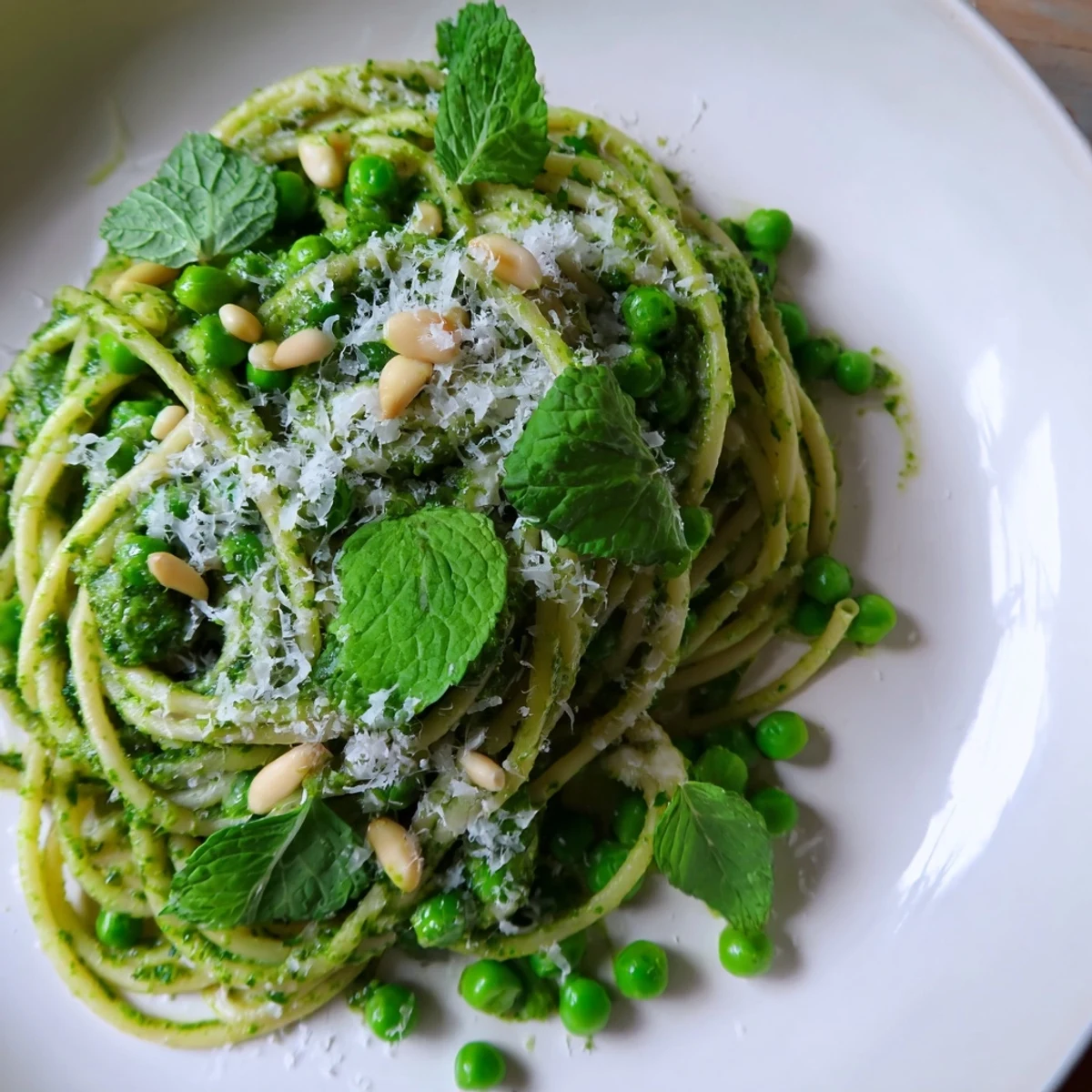
- Plate immediately and scatter with extra blanched peas, grated Parmesan, and fresh herb leaves. The contrast of textures and colors is worth the extra minute.
 Save
Save This pasta became a regular in our rotation during a particularly busy month of work deadlines. Something about the bright green hue and fresh herbs made it feel like self care even on the most exhausting nights. My husband started calling it 'the happy pasta' because it's impossible not to smile when eating it.
Making It Your Own
I've found this pesto is incredibly forgiving. Sometimes I use all mint when basil is out of season, other times I add a handful of arugula for pepperiness. The framework stays the same, but the variations keep it interesting throughout the year.
Beyond The Bowl
This pesto doubles beautifully as a spread for sandwiches or a sauce for grilled fish. I've even thinned it with extra olive oil for a vibrant salad dressing that makes simple greens feel special. Nothing goes to waste.
Perfecting The Technique
The most common mistake I see is under blending the pesto. You want it almost emulsified, not chunky. Letting the food processor run while slowly streaming in the oil is what creates that restaurant quality texture.
- Toast your nuts in a dry skillet until fragrant, about 3 minutes
- Blanch frozen peas in boiling water for 2 minutes to restore their bright color
- Room temperature ingredients emulsify better than cold ones
 Save
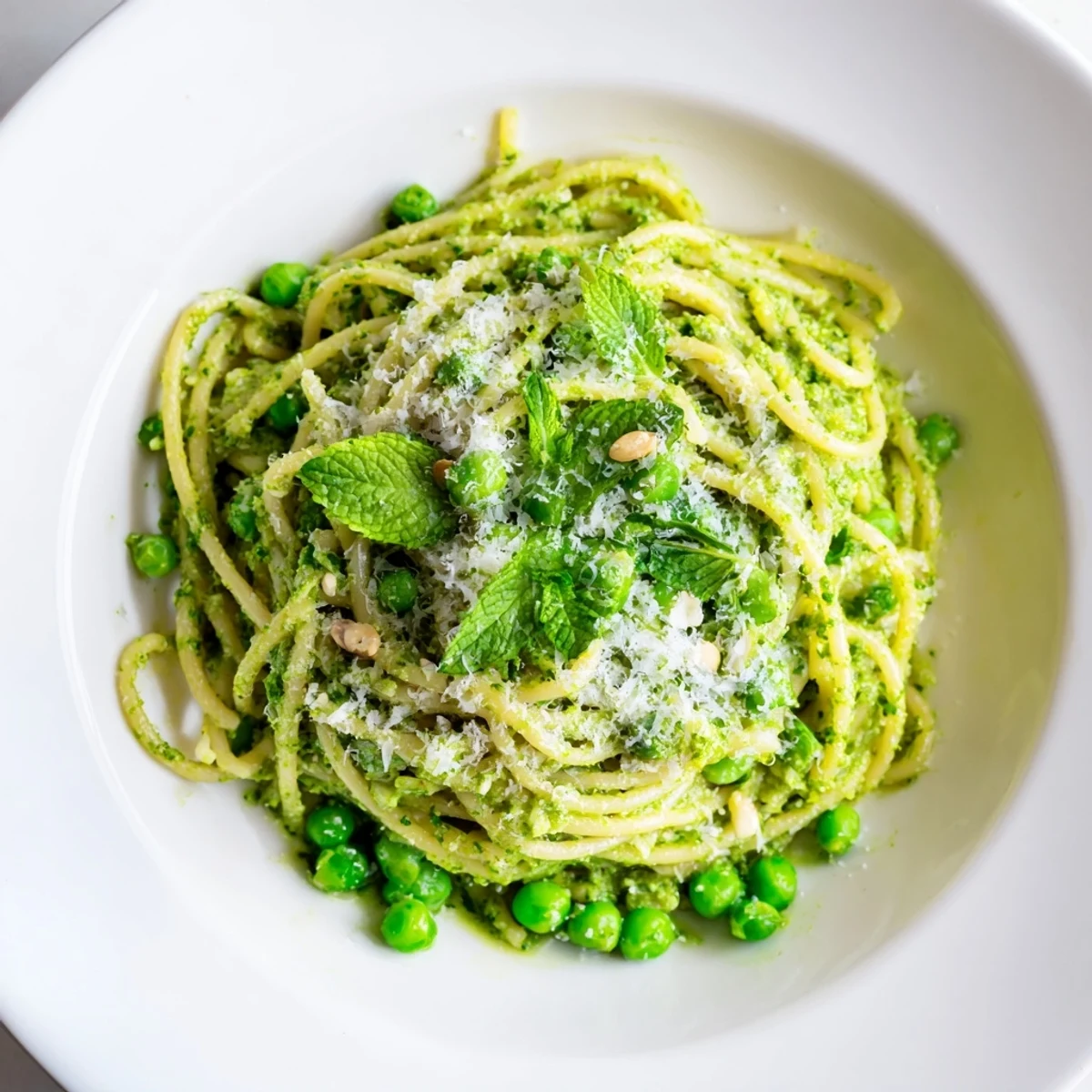
Save There is something profoundly satisfying about transforming a handful of humble ingredients into something so vibrant and alive. This pasta reminds me that the best dishes don't need to be complicated to be extraordinary.
Common Questions
- → How do I achieve a creamy pesto sauce?
-
Blend the peas, mint, basil, pine nuts, Parmesan, garlic, and lemon carefully, then slowly drizzle in olive oil until smooth and creamy. Adding reserved pasta water helps loosen the sauce and coat the pasta evenly.
- → Can I use other nuts instead of pine nuts?
-
Yes, toasted almonds or walnuts make excellent substitutes and add a unique flavor and texture to the pesto.
- → How do I keep the peas vibrant and tender?
-
Blanch fresh peas quickly in boiling water, then drain and shock them in ice water to preserve their bright color and tender texture.
- → What pasta types work best with this sauce?
-
Long pasta like spaghetti or shaped varieties such as fusilli are ideal, as they hold the pesto well and provide a pleasing bite.
- → How can I adapt this dish for a vegan diet?
-
Replace the Parmesan cheese with nutritional yeast or a vegan cheese alternative to maintain a savory, cheesy flavor.